Thabazimbi in Limpopo: where to stay and how to plan your visit
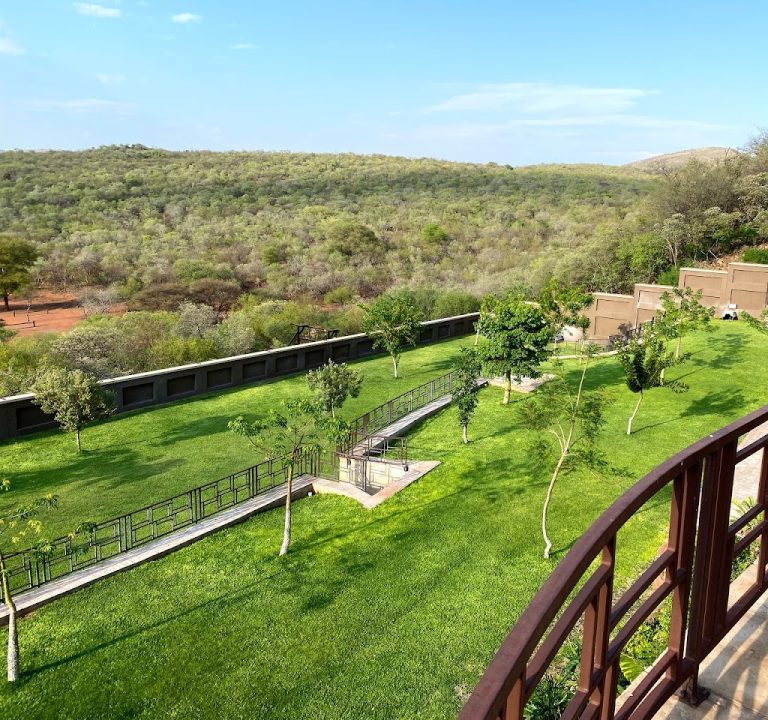
Thabazimbi sits amid the rugged beauty of Limpopo, surrounded by dolomitic hills, open savannah and the country’s famed wildlife zones. Whether you are in town for a discreet lodge retreat, a family weekend, or a wildlife-focused getaway, the area offers a range of accommodation styles that balance comfort with a sense of the out‑of‑doors. From intimate game lodges such as Koedoesvlei Game Lodge to larger guesthouses and self‑catering options, planning your stay around the pace of safari life can lead to a relaxed and memorable visit.
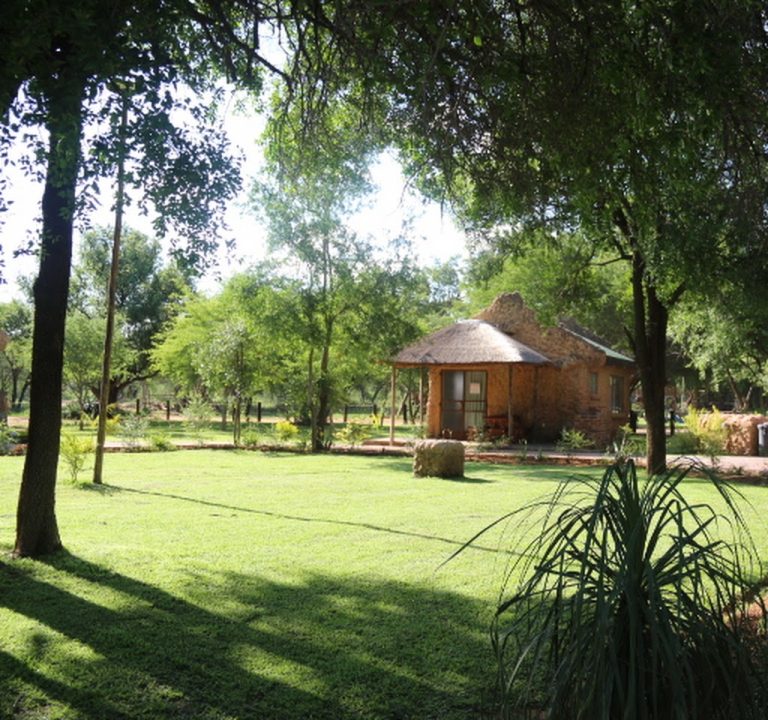
Accommodation options in and around Thabazimbi tend to fall into a few clear categories. Game lodges and private reserves prioritise immersive wildlife experiences, guided or self‑guided game drives, and a broader sense of seclusion. Green, leafy guesthouses in town provide easy access to shops and restaurants while still offering a tranquil base. Self‑catering lodges and cottages give visitors the freedom to set their own schedule, cook meals, and enjoy downtime on verandahs or near pools after a day out in the hills. When selecting a base, consider how you prefer to divide your time—early morning drives, late afternoon safaris, and evenings spent around a cosy communal area all shape the right choice for you.
Koedoesvlei Game Lodge is an example of a lodge option you might encounter nearby. Such properties typically offer en suite rooms or chalets, guided game drives or bush walks, and meals served on-site, with the potential for specialised experiences that highlight the region’s wildlife and landscapes. Look for lodges that emphasise trained wildlife guides, well‑maintained vehicle fleets, and guest areas that provide shade, comfortable seating, and safe outdoor spaces.
When you are booking, think about the practical details that affect your stay. Proximity to the reserve or park entrances can save time on early departures and late returns. On-site amenities matter too: reliable hot water, consistent power supply, comfortable beds, air‑conditioning or fans for warm months, and well‑stocked kitchens if you plan meals yourself. Drinking water safety, restaurant hours, and the availability of casual or fine dining options on-site or nearby will help you plan evening plans without long drives after sunset. If you travel with children or elderly guests, check on accessibility features, child‑friendly spaces, and safety measures around wildlife areas.
Transport in the area is most straightforward by road. Self‑drive routes are popular for the freedom they offer; many visitors enjoy a scenic drive from Polokwane or Johannesburg regions, stopping en route for a picnic or short nature walks. If you prefer not to drive, check whether your chosen accommodation can arrange airport transfers, local safaris, or guided day trips to nearby reserves. In some seasons, roads can become dusty or muddy, so confirm the vehicle type and road conditions prior to arrival. A small car or a four‑wheel‑drive may be advisable depending on the terrain and the time of year.
Best time to visit Thabazimbi depends on what you want from your trip. The dry winter months offer excellent wildlife viewing, as animals congregate around water sources and vegetation thins out. The shoulder seasons bring milder temperatures and fewer crowds, which can be ideal for a peaceful retreat. The wet summer season, while less predictable for safari drives, brings lush landscapes and vibrant birdlife, and some lodges run shorter activities or poolside relaxation during the warmer afternoons. Consider seasonal weather patterns when planning outdoor activities such as bush walks, boat trips if near water bodies like lakes, or longer day safaris.
In and around Thabazimbi, you will encounter a landscape that invites gentle exploration. Beyond the wildlife focus, there are scenic viewpoints, birdwatching opportunities, and places to quietly reflect on the vast skies and open spaces. Visitors typically appreciate well‑marked walking trails, safe outdoor seating areas, and the chance to observe local flora and fauna in their natural habitat. Planning a balanced itinerary—early morning game drives, a relaxed afternoon by the pool, and an evening meal under the stars—helps maximise the experience without exhausting the senses.
Practical planning tips to help your trip run smoothly:
- Book well ahead during peak periods, especially if you are seeking a specific lodge or reserve experience.
- Clarify what is included in the rate—meals, game drives, park fees, and any additional activities.
- Ask about power supply and backup options, particularly in remote lodges that rely on generators or solar energy.
- Confirm transport arrangements and whether your stay includes airport transfers or guided drives.
- Pack layers for varying temperatures: mornings can be cool, with warmer days and potential late evenings by the fire.
- Bring a small, secure bag for day safaris and a reusable water bottle for outdoors activities.
- Respect wildlife and follow guide instructions at all times to ensure safety for you and the animals.
When seeking dining options, expect a mix of on‑site meals and nearby eateries that celebrate regional produce and flavours. Many lodges offer structured dining as part of the package, while guesthouses or self‑catering stays provide the flexibility to explore local restaurants or markets in the town. For a fuller sense of the region’s hospitality, plan a day that includes a town visit, a light meal at a coffee house or casual eatery, and a late afternoon return to your lodge for a sunset backdrop over the plains. Thabazimbi rewards travellers with quiet landscapes, comfortable stays, and access to unforgettable outdoor experiences.