Accommodation and Experiences in Thabazimbi, Limpopo: Where to Stay and What to Do
Thabazimbi, perched in the heart of Limpopo’s mineral-rich plains, offers a laid‑back base for exploring the surrounding natural beauty and wildlife. When planning a stay, consider the town’s surrounding areas as well as the slightly more remote lodges and guest houses on the fringes of the scenic wildlife reserves. The mix ranges from intimate guest houses to larger lodges, with most places emphasising comfortable hospitality, easy access to local attractions, and a taste of rural South Africa.
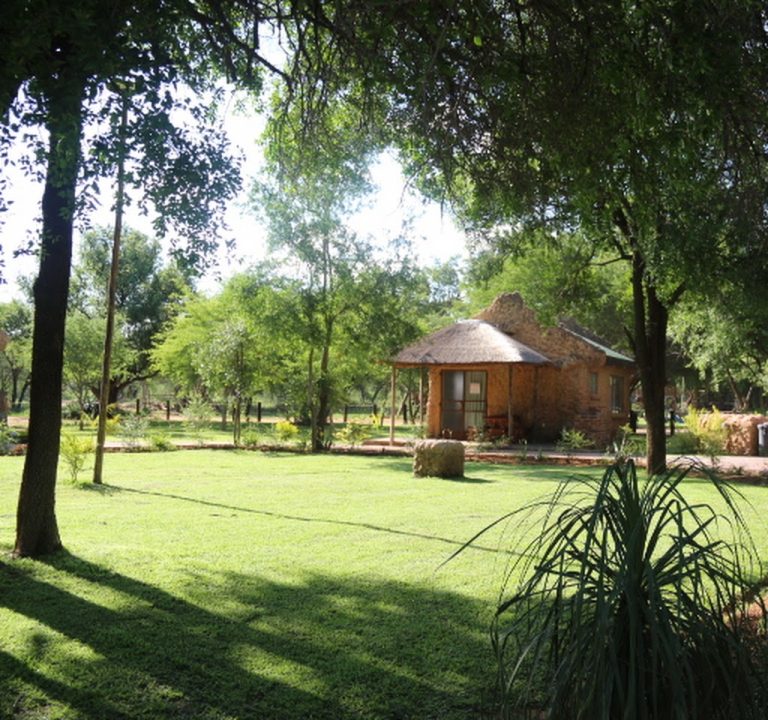
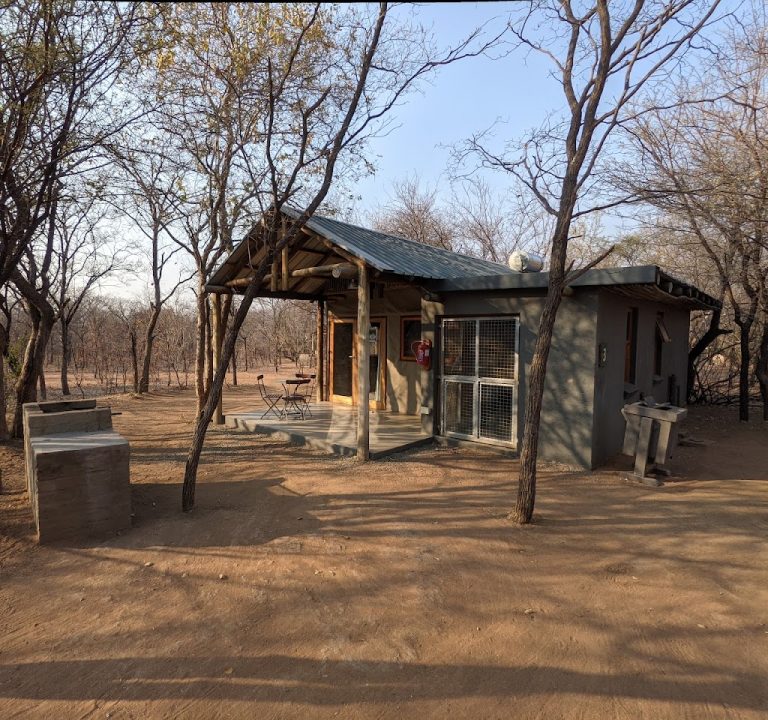
For a comfortable stay, look for properties that clearly set out what kind of experience you want—whether it’s a personalised, homely atmosphere, or a lodge with larger grounds suitable for family stays. Guest houses such as Komma Nader Guest House (http://www.kommanader.co.za/) offer a home-from-home feel with compact, well‑appointed rooms, private entrances, and spaces to unwind after day trips. When choosing accommodation, focus on practicality: a pleasant interior, clean en-suite facilities, dependable hot water, and reliable electricity and Wi‑Fi. If you are visiting during the warmer months, a shaded outdoor area or courtyard can be a welcome touch; in winter you’ll value extra blankets and a cosy heating option.
Neighbourhoods and areas to consider include central Thabazimbi for easy access to town amenities, while guest houses and lodges on the outskirts often provide more privacy and nature‑driven surroundings. If you’re driving, confirm parking arrangements and whether your host can advise on local routes or arrange transfers from nearby towns or airports. For walkers and wildlife enthusiasts, several properties are positioned with straightforward access to open landscapes and seasonal wildlife experiences, though it is wise to check what areas are part of your accommodation’s grounds and what requires a guided excursion.
Typical amenities you may encounter include private bathrooms, in-room tea and coffee facilities, air conditioning or fans for climate control, and secure on-site parking. Many establishments in and around Thabazimbi also offer a refreshing pool, barbecue facilities, and communal lounges. Breakfast is a common inclusion, with options ranging from buffet-style spreads to substantial plated meals, often featuring fresh local produce. Dinners may be available on request or provided as part of a half‑board arrangement, giving you more time to plan excursions without the daily cooking chores.
Transport planning is straightforward if you are hiring a car; in fact, a car is usually the simplest way to explore the region at your own pace. For those relying on public transport, check how far a property is from the town centre and whether your hosts can arrange airport or rail connections and local transfers. A vehicle is particularly handy for day trips to game reserves, viewpoints, and areas where facilities are more sparse. If you intend to explore on foot or by bike, confirm whether the property offers secure storage or bike racks.
The best time to visit Thabazimbi depends largely on your preferences. Dry season months often bring pleasant daytime temperatures and clearer wildlife viewing in nearby reserves. If you enjoy outdoor activities such as hiking, game drives, and wildlife spotting, plan for calmer weather and bring sun protection, insect repellent, and layers for cooler evenings. The rainy season can bring lush landscapes and vibrant scenery, but occasional storms can affect outdoor plans. Always check seasonal weather patterns and any local advisories before heading out on long day trips.
When planning activities, consider a mix of nature-based excursions and cultural or gastronomic experiences within easy reach. In general terms, visitors can expect guided game drives, nature walks, birdwatching, and opportunities to learn about local flora and fauna. For a broader taste of the region, you may choose to explore nearby viewpoints, farms, and small towns that showcase Limpopo’s rural charm. Dining options in the area range from casual eateries to more refined venues, often highlighting regional ingredients and traditional flavours. It’s worth enquiring with your accommodation about recommended places to eat and any signature dishes to try during your stay.
Booking tips to help you get the most from your stay:
- Book early for peak seasons and school holiday periods to secure a room that matches your needs—whether that’s a private cabin, a spacious family suite, or a cosy garden room.
- Ask hosts about their cancellation policy, what is included with your rate (breakfast, meals, or guided activities), and whether they can help organise activities or transport.
- Clarify access to facilities (pool, bar, lounge areas) and any shared spaces you plan to use during your stay.
- Check distance from the town centre and from your planned day trips to ensure travel times fit your itinerary.
- If you value flexibility, look for properties that offer a range of room types or nearby alternatives in case plans change.
Finally, practical tips: pack comfortable walking shoes, a hat, sunscreen, and a light jacket for cooler evenings. Bring currency in small denominations for local markets and casual shops, and keep a reserve of water and snacks for long drives between sights. A well‑planned itinerary that balances rest with discovery will help you make the most of Thabazimbi’s tranquil setting and its accessible wildlife and landscape. For more information on accommodation and how to tailor a stay to your interests, visiting the property websites or contacting hosts directly is a good starting point.