Accommodation and experiences in Lebowakgomo, Limpopo: planning your stay
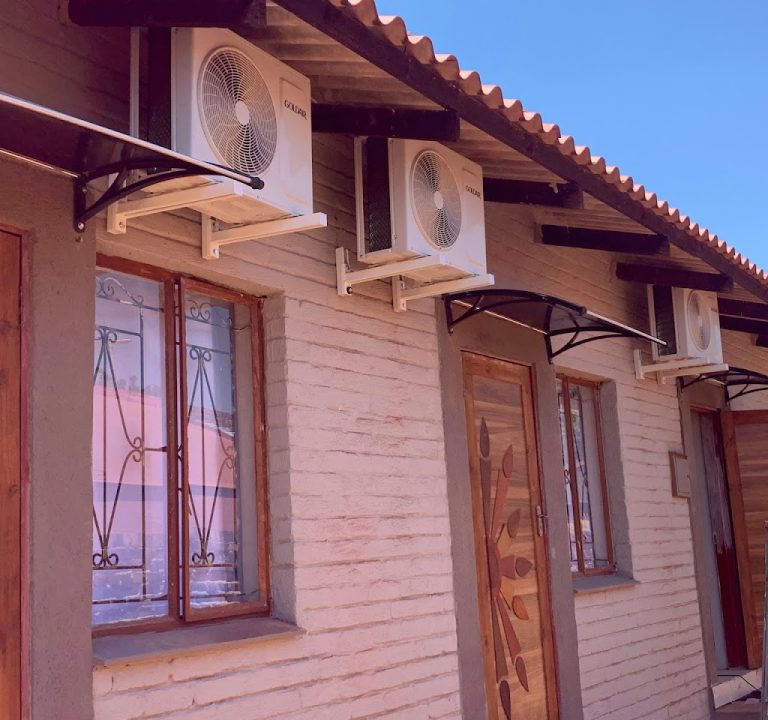
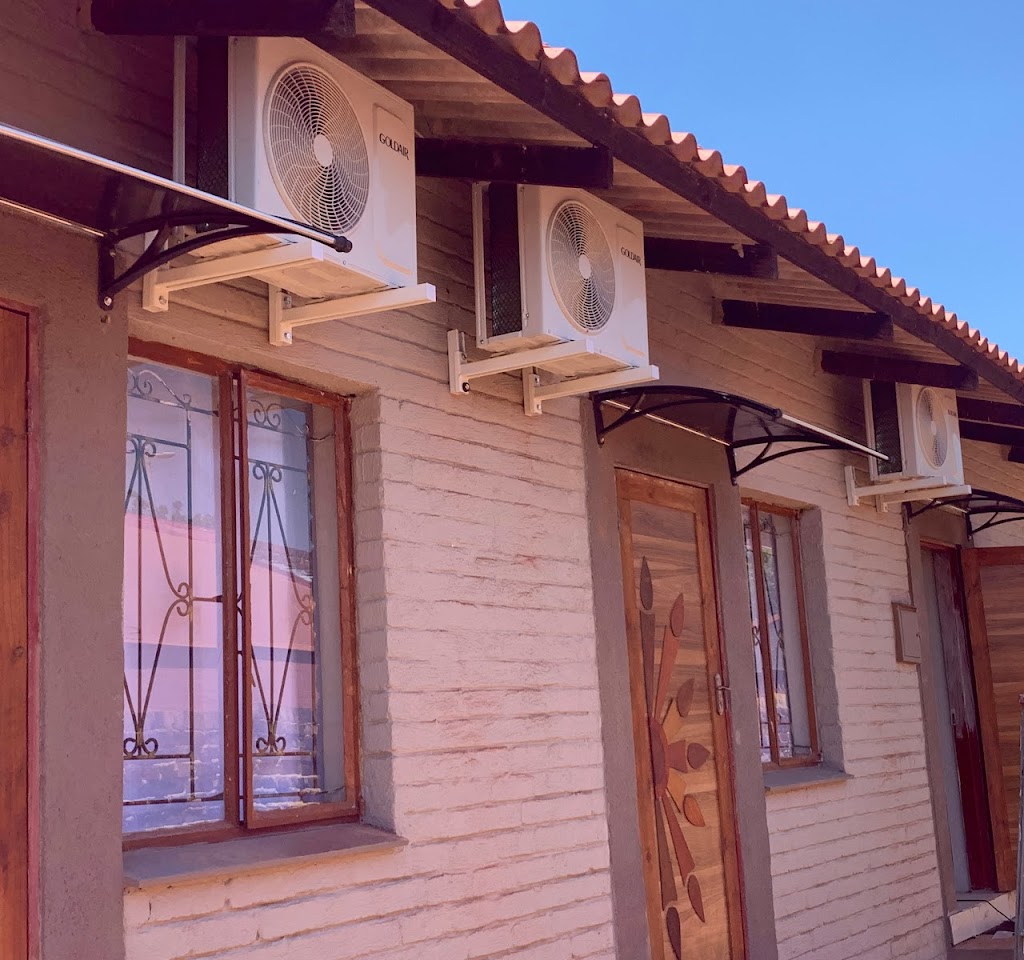
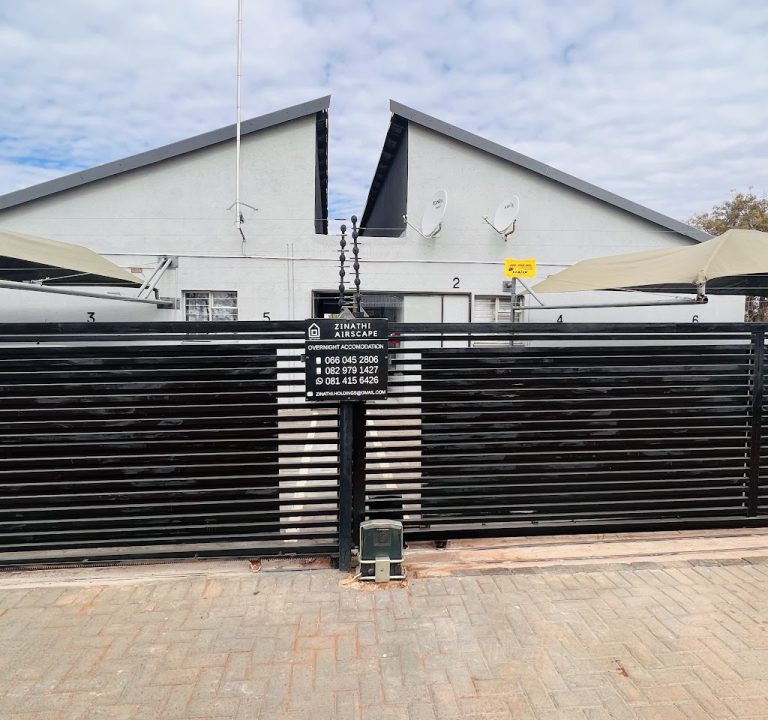
Nestled on the edge of the Highveld in Limpopo, Lebowakgomo offers a gateway feel for visitors exploring the northern corner of South Africa. The town sits within easy reach of Polokwane and the wider Waterberg region, making it a practical base for travellers who value comfortable stays without the bustle of larger cities. When you plan a visit, consider a mix of guesthouses, small hotels and self-catering options that balance value with a warm, friendly local experience. A notable option in the area is KO THABENG GUESTHOUSE, which embodies the approachable, home-from-home style many travellers seek in this part of the province.
Accommodation in Lebowgomo tends to cluster around the town centre and nearby residential fringes. In choosing where to stay, think about access to the main roads and your planned daily routine. If you plan early starts for day trips or visits to local markets, a centrally located guesthouse or boutique hotel can save time and minimise transport stress. If you’re renting a car, your choice can be more flexible, allowing you to opt for quieter guesthouses on leafy streets or small lodges closer to nature reserves on the outskirts.
Typical amenities you may encounter include en-suite rooms, air conditioning or ceiling fans, secure parking, and self-catering facilities or a complimentary breakfast option. For families or longer stays, look for larger suites or apartment-style units with kitchen facilities. If you’re relying on two-wheeled or four-wheeled transport, check that the property has reliable security and a clear access route. Quiet, well-lit surroundings and friendly on-site staff can make a substantial difference to your comfort, particularly for first-time visitors to the region.
When planning the duration of your stay, a three- to five-night visit often works well. It allows you to sample a couple of nearby attractions, enjoy a couple of meals out, and still have time for a relaxed pace back at base. The best time to visit Lebowakgomo generally aligns with South Africa’s mild winter and shoulder seasons. May through September tends to offer comfortable daytime temperatures for outdoor activities, with the added advantage of clearer skies. The rainy season, roughly November to March, can still be pleasant, but be prepared for short, warm showers and occasional disruptions to outdoor plans. Spring and autumn (September to November and March to May) can be particularly pleasant for exploring walks and markets at a comfortable pace.
Transport in and around Lebowakgomo is best planned in advance. If you are self-driving, most guesthouses provide clear directions and parking, and the town’s road network is straightforward for motorists familiar with rural South Africa. If you prefer public options, local bus services connect Lebowakgomo to nearby towns, but schedules may be less frequent on weekends. Factoring in a little extra time for transfers and waiting periods helps keep plans relaxed. For day trips further afield, a rental vehicle or guided transfer can be a sensible choice.
Booking considerations are important. Start by confirming room size, bed configuration, and whether you require workspaces or Wi-Fi for remote tasks. In destinations such as Lebowakgomo, where energy reliability can vary, enquire about uninterrupted power supply (UPS) or back-up arrangements if you expect to use electronic devices in the evening. Read recent guest reviews focusing on cleanliness, responsiveness of hosts, and any notes about neighbourhood safety or quiet hours. If you have accessibility needs, ask about ramp access, wide doorways, and reachable bathroom facilities. Finally, verify cancellation policies and payment terms to avoid surprises should your plans change.
Practical tips for a smooth stay:
- Pack adaptable clothing for varying temperatures; evenings can be cooler, even in warmer months.
- Stay hydrated and maintain sun protection for outdoor activities, especially during midday in the dry season.
- Respect local customs and communities; consider a short, culturally aware outing to understand the region’s heritage.
- Budget for occasional self-catering dining or casual restaurant options; many guesthouses offer breakfast, with nearby informal eateries providing affordable meals.
- Ensure you have local maps or offline navigation, as mobile signal strength can vary in some areas.
Attractions and experiences in the broader area tend to emphasise natural landscapes, wildlife viewing from a distance, and a sense of rural South African life. In Lebowakgomo itself, you’ll find the rhythms of daily business, local markets and eateries that reflect Limpopo’s warm hospitality. For nature lovers, plan visits to nearby nature reserves or protected landscapes within a reasonable drive, where opportunities for short hikes, birdwatching and scenic viewpoints are common. Cultural experiences—whether visits to local craft markets, township-style tours, or community demonstrations—offer meaningful insight into daily life and heritage in the province. Dining out generally centres on hearty, unfussy meals that celebrate regional flavours and ingredients, with menu options that are straightforward and guest-friendly.
When choosing an area to stay, prioritise accessibility to your planned activities, a comfortable indoor environment, and reassurance about safety and security. Lebowakgomo’s guesthouses and small hotels tend to excel at offering a friendly, personal welcome, with hosts who can tailor suggestions to your interests, whether you’re seeking a relaxed break, a family-friendly stay, or a practical stopover on a longer itinerary. With careful planning, your visit to Lebowakgomo can be both convenient and enriching, providing a genuine glimpse of Limpopo’s hospitality and landscape.