Lodging and Local Experiences in Lebowakgomo, Limpopo
Lebowakgomo sits within the eastern Limpopo region, offering a convenient base for travellers exploring the Waterberg country, nearby nature reserves and the broader Magaliesberg corridor. When planning a stay in this area, consider both the immediate surroundings of Lebowakgomo town and the quieter rural hinterland where guesthouses and lodges often blend into the landscape. The aim is to balance accessibility with a sense of place, comfort, and security.
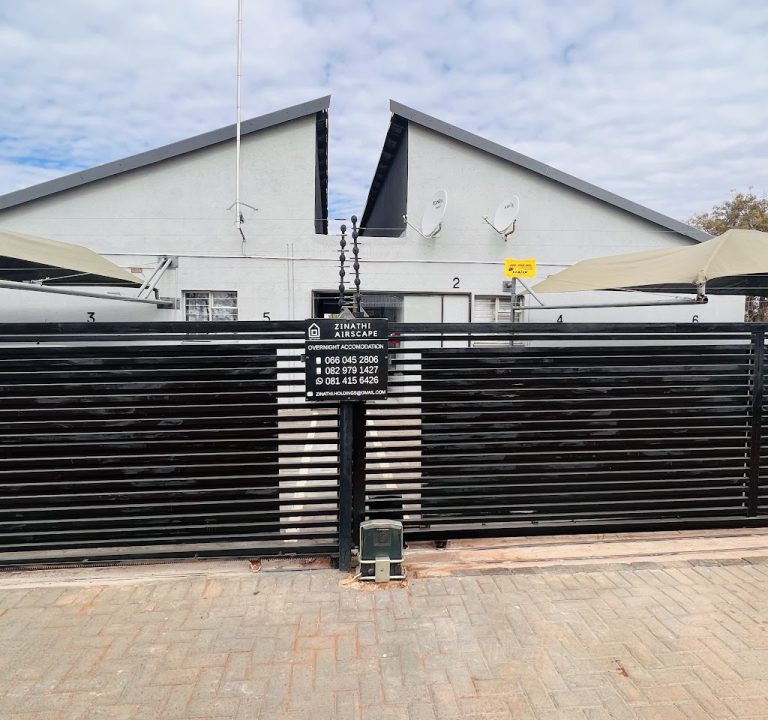
Accommodation options in and around Lebowakgomo range from modest guesthouses and family-run BnBs to larger lodges that cater to groups and business travellers. One example within the locality is Zinathi Airscape, which represents the lodging style you’ll encounter—friendly, practical, and rooted in local character. When choosing where to stay, look for spaces that feel safe, well-maintained, and staffed with hosts who can offer guidance on the region’s routes, markets, and eateries. A good base should feel welcoming from the moment you arrive and provide clear information about getting around without relying solely on private transport.
Areas to consider for your stay include the town centre, where easy access to shops, basic services, and transport links can save time. Alternatively, consider rural surroundings on the outskirts of Lebowakgomo for a more peaceful ambience and a closer connection to nature. In choosing a district, think about what you want to do during the day: a short transfer to nature reserves or longer drives to provincial towns depending on your itinerary. If you plan day trips, ask hosts about the best routes and potential diversions to avoid peak traffic times.
Typical amenities to expect include en-suite bathrooms, air conditioning or fans, clean linens, secure parking, and, in many cases, warm, personal service from hosts who are familiar with local customs and attractions. Wi-Fi is common in guesthouses and lodges, but connectivity can be inconsistent in more rural settings, so it’s wise to verify what you’ll have upon arrival if you need reliable internet. Some properties offer communal spaces such as a veranda or garden where you can relax after a day of sightseeing, as well as self-catering facilities or continental breakfast options.
Transport considerations are important in this part of Limpopo. While some accommodation providers can arrange transfers or local taxi services, it is practical to plan how you’ll move between sites. If you are driving, confirm parking arrangements and ask about the best routes to the wildlife areas and scenic routes in the region. For visitors relying on public transport, check how far the lodging is from bus stops or stations and what a typical journey might involve in terms of transfers and times. Decent road connections and straightforward directions are common advantages of lodges and guesthouses in this area.
The best time to visit Lebowakgomo and its surrounds tends to align with Limpopo’s general climate patterns. The dry season (roughly May to September) often brings clear skies and comfortable daytime temperatures, which can be ideal for outdoor pursuits and short road trips. The wet season (roughly October to April) can be hot and humid, with afternoon showers, but it also brings lush landscapes and opportunities for birdwatching and nature walks. If you’re planning outdoor activities, pack accordingly and check with your hosts about any seasonal access limitations or safety considerations.
When planning activities, consider a mix of nature-focused experiences and cultural or community-based engagements. Nature reserves and scenic viewpoints offer opportunities for easy walks, wildlife spotting, and photography. For meals, South Africa’s Limpopo province is known for markets, eateries, and community-run enterprises where you can sample local flavours in a relaxed setting. In Lebowakgomo, as in the broader region, a relaxed approach to dining often means enjoying fresh, seasonal dishes prepared with local ingredients. If you’re looking for more formal dining, you’ll typically find a handful of restaurants and cafés within reasonable reach of lodging, with menus that emphasise value and hospitality rather than heavy pricing or crowding.
Booking tips to help you secure a comfortable stay:
- Read guest reviews for real-world insights into service, cleanliness, and accessibility.
- Clearly confirm what is included in the rate (breakfast, housekeeping, parking, Wi-Fi).
- Ask about security measures and lighting around the property and during night hours.
- Check cancellation terms and whether there are seasonal peak rates.
- Request practical details before arrival, such as in-room amenities, kettle facilities, and the availability of support with luggage or late check-ins.
Practical tips for a smooth stay in Lebowakgomo include packing for varying conditions, staying hydrated, and respecting local norms. Have a map or offline navigation handy, particularly if you’ll be driving to rural areas or nature reserves. Carry a light jacket for cooler evenings, and bring a compass or familiarise yourself with the general direction of major towns to avoid getting disoriented in less surveyed routes. Always respect wildlife and natural habitats if you venture into protected spaces, sticking to marked trails and guided routes where offered.
For broader travel planning, keep in mind that many visitors combine a stay in Lebowakgomo with visits to nearby towns, game reserves, and cultural heritage sites. Lodging in this area tends to prioritise warmth and practicality, offering a restful base after busy days of exploration. With careful selection, a stay near Lebowakgomo can provide a genuine taste of Limpopo life, comfortable accommodation, and straightforward access to the region’s landscapes and communities. For further information, you can explore the lodging provider’s website or contact hosts directly through their booking platforms to tailor your itinerary to your interests and travel dates.