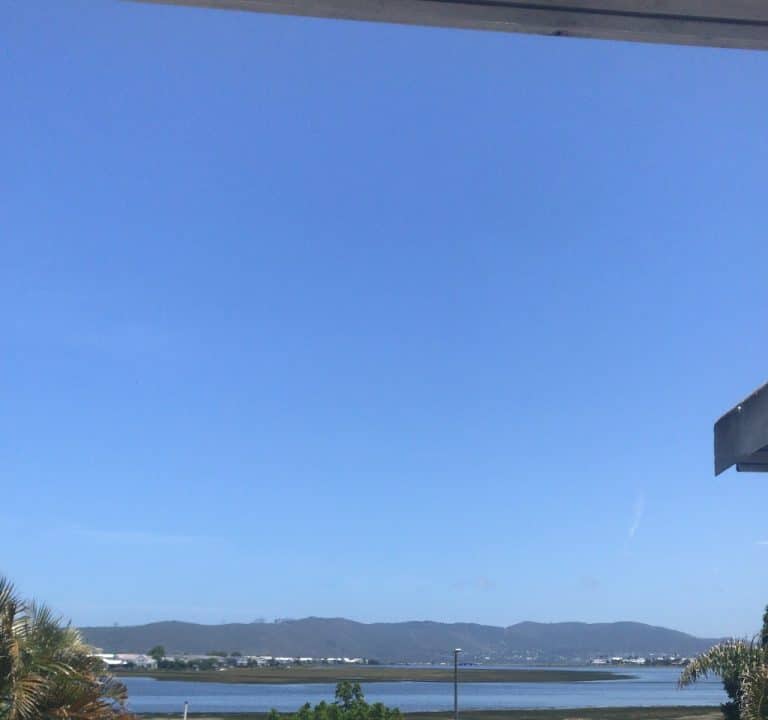
Knysna: Accommodation, Attractions and Practical Guide for Visitors
Knysna, tucked along the lush Garden Route of the Western Cape, offers a welcoming mix of coastal scenery, forested landscapes and a relaxed harbour town atmosphere. When planning a stay, consider the varied neighbourhoods and settings on offer, from waterfront viewpoints to forest-fringed guesthouses and hilltop retreats. Whether you prefer a traditional bed and breakfast with personalised service, a modern boutique hotel, or a self‑catering lodge with a kitchen and private outdoor space, Knysna provides options to suit different itineraries and budgets.
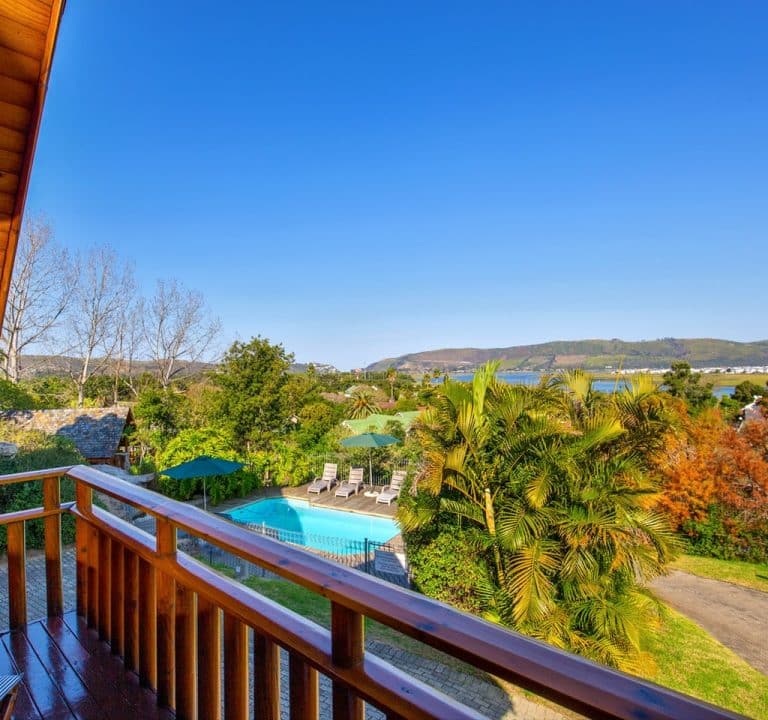
Areas to consider when booking include the following. The town centre and harbourfront are ideal for first‑timers who want easy access to restaurants, shops and activities with a walkable feel. Leisure Isle offers a quieter coastal setting with bay views, perfect for relaxed mornings and easy beach walks. The Heads and neighbouring hills provide elevated outlooks and more secluded, intimate stays, often with easy access to nature trails. Rheenendal and the surrounding forests are a good match for guests seeking a tranquil retreat among giant trees and misty mornings. Plettenberg Bay is nearby for day trips if you want a broader Cape experience, while still returning to Knysna for evenings by the harbour.
When booking, look for a few practical basics that can make a stay smoother. Check whether your accommodation includes breakfast or offers self‑catering facilities, as this can significantly affect daily plans and budgets. Confirm access to private bathrooms and the availability of on‑site facilities such as dependable Wi‑Fi, safe parking, and versatile spaces for reading, dining or working. For groups or families, consider accommodation with multiple bedrooms, communal living areas and outdoor spaces that catch the late sun. If you are travelling with mobility needs, verify accessibility features and proximity to the places you intend to visit.
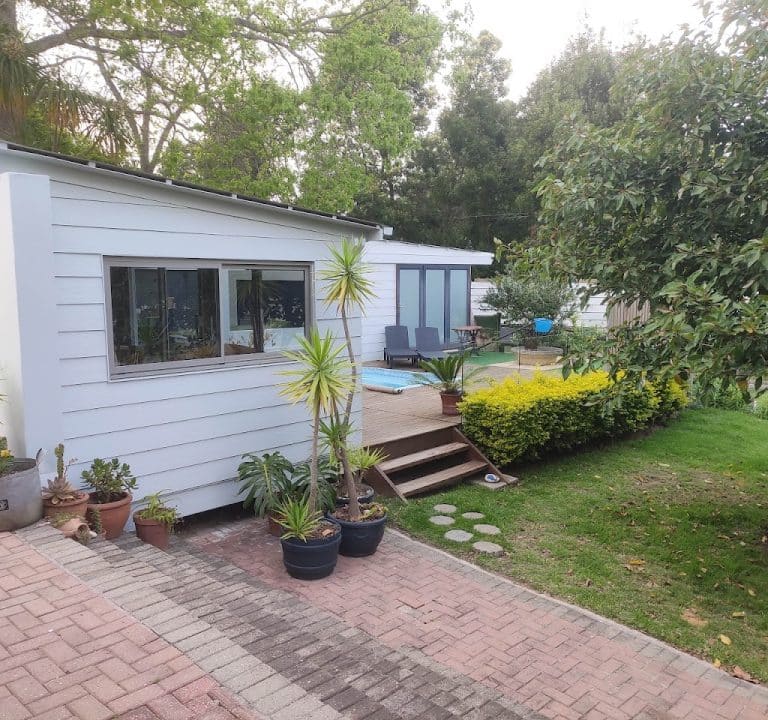
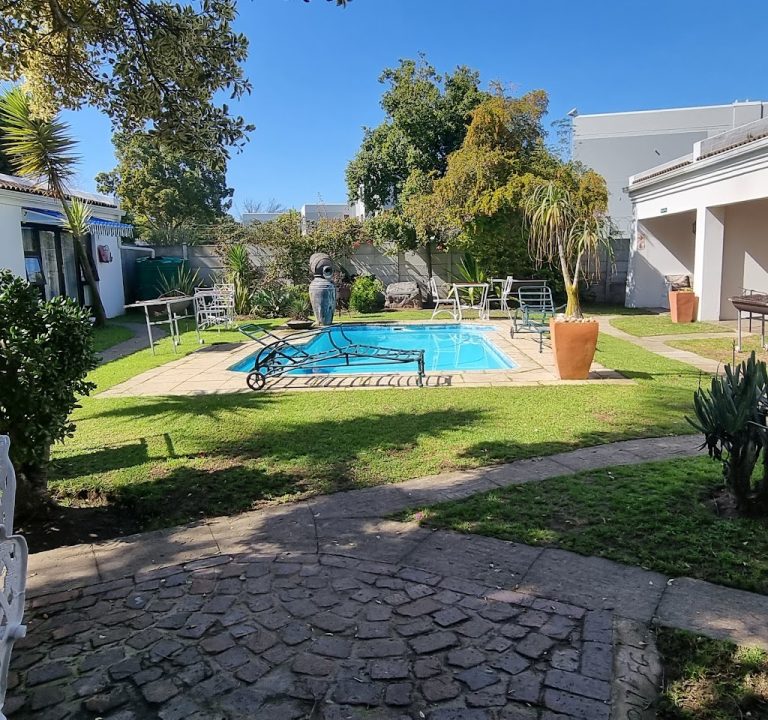
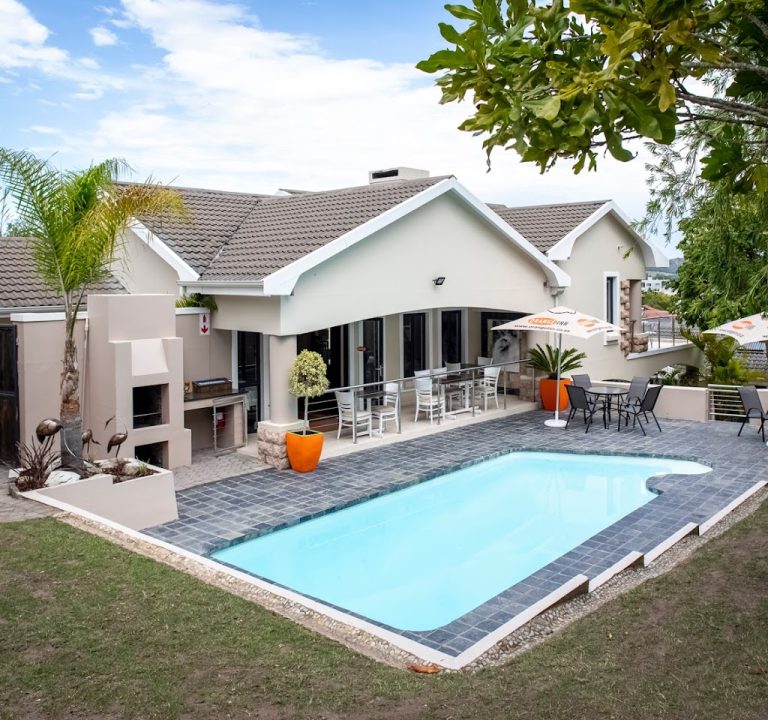
Typical amenities often found in Knysna’s options include comfortable en‑suite rooms, cosy lounge areas, and well‑equipped kitchens or kitchenettes. Outdoor spaces are a strong selling point, with sun decks, terraces and garden seating that invite relaxed breakfasts or sundowners. A growing number of properties offer sustainable practices, such as recyclable amenities, energy‑efficient lighting or water‑saving features. If you value guided experiences, ask whether hosts can arrange or recommend local tours, nature walks, or harbourfront outings that showcase Knysna’s natural beauty and cultural charm.
Transport in Knysna is straightforward but worth planning in advance. If you arrive by car, secure parking near your base and map out a few day trips to reduce backtracking. For those relying on public transport, note that services are more limited than in larger cities, so you may rely on local taxis or organised transfers for longer excursions. Many guesthouses and hotels are within comfortable walking distance of the town centre, the waterfront and popular viewpoints, but some forest or hillside retreats may require a short drive. If you plan to explore the area beyond Knysna, arranging a car for a portion of your stay can offer the greatest flexibility for beaches, forests and viewpoints along the Route.
The best time to visit Knysna is influenced by weather, marine life, and the pace of the town. Spring and autumn bring mild temperatures and pleasant wildlife viewing, while the austral summer offers longer days for boat trips and harbour strolls. Winter can be cooler and mistier, but the forest landscapes feel especially atmospheric and crowd levels tend to be lower. If you are chasing particular activities—such as forest hikes, boat excursions, or coastal walks—check local calendars and weather patterns to tailor your plans. Off‑season stays can also provide better value on accommodation, while still offering a taste of the region’s charm.
When it comes to dining and experiences, Knysna showcases a laid‑back, ocean‑influenced cuisine. Expect fresh seafood, rustic bistros and family‑run eateries that focus on seasonal ingredients. Restaurants are commonly relaxed and friendly, with menus that often favour local produce and coastal flavours. For activities, you can choose nature‑based days such as forest walks, boat trips on the lagoon, or gentle harbour explorations. While I’m keeping specifics general, your host or concierge can point you toward reputable operators for safaris, boat safaris, or guided trail walks in the neighbouring reserves—endeavours that add texture to a Knysna visit without overwhelming your itinerary.
- Research guest reviews to get a sense of host responsiveness, cleanliness, and value for money
- Ask about specific room layouts, private bathing facilities, and whether breakfast or meal options are offered
- Inquire about parking arrangements and proximity to the town centre, waterfront, and viewpoints
- Check access to outdoor spaces, sun decks, or garden areas for al fresco meals or reading
- Request local recommendations for day trips, nature trails, and gentle coastal routes
For practical planning, keep a folder of essential links, such as local tourism sites, accommodation hosts’ pages and any seasonal advisories. A well‑chosen base in Knysna can make day trips to neighbouring forests, lagoons and coastal viewpoints wonderfully easy, while providing a comfortable retreat to return to after adventures. Whether you favour a characterful B&B, a boutique hotel, or a family‑run guesthouse, Knysna’s hospitality offers a warm welcome and a steady rhythm of ocean air, forest hush and harbour lights. For further inspiration and to start planning, you may wish to browse general visitor resources and chain‑independent options at reputable tourism portals or the town’s official pages via their websites.