Knysna: Where to stay, what to do and how to plan your visit
Knysna, on the Garden Route of the Western Cape, offers a blend of coastal scenery, forested hinterlands and a relaxed harbour town atmosphere. When planning a stay, it helps to think about which area best fits your style—whether you want water-frontage views, forest tranquillity, or easy access to the town’s eateries and markets. Accommodation ranges from intimate guesthouses and lodges to self-catering homes and boutique hotels, all with easy access to nature experiences and outdoor activities.
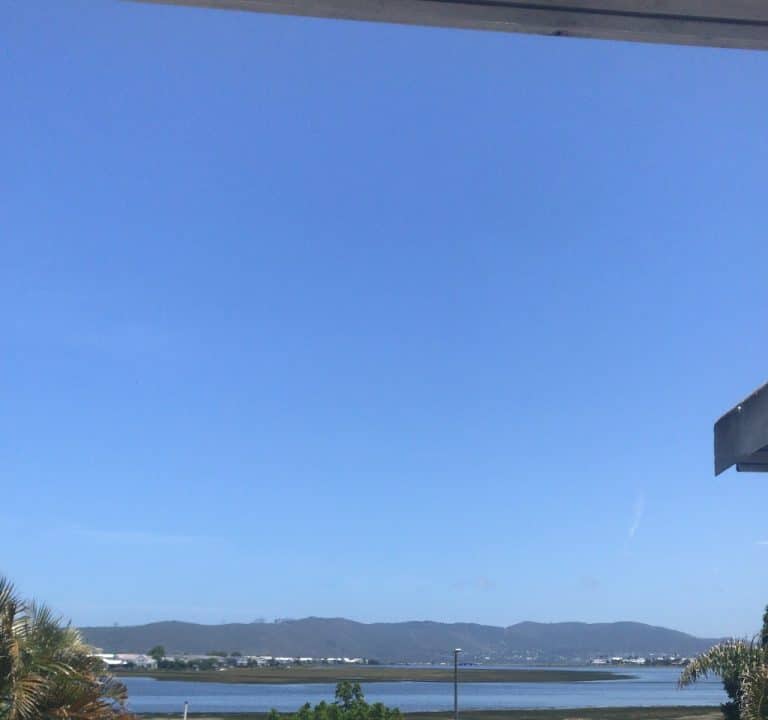
Areas to consider for your base include the harbour and town centre for strolls along the waterfront, Knysna Heads and the eastern shore for dramatic views and coastal walks, and the fringes near the forests for a peaceful, nature-forward stay. If you value proximity to the quay and lively dining scenes, a central location makes day trips and evening meals convenient. For those seeking a quieter escape, look for lodges or self-catering properties tucked away in the surrounding woodlands or along the lakeside, where birdlife and calm surroundings are plentiful.
When booking, consider the following practical points to secure a comfortable stay. Look for clear descriptions of room layouts, private en-suite facilities, and real travellers’ reviews that mention noise levels, insulation, and ventilation. Confirm access to features such as reliable wi‑fi (often important for planning activities or remote work), parking arrangements, and easy access to the main routes that connect to the Garden Route’s other attractions. If you are travelling with children or mobility requirements, check for family-friendly spaces, ground-floor rooms, or lifts where needed. Finally, read the cancellation policy and booking terms to avoid surprises should plans shift.
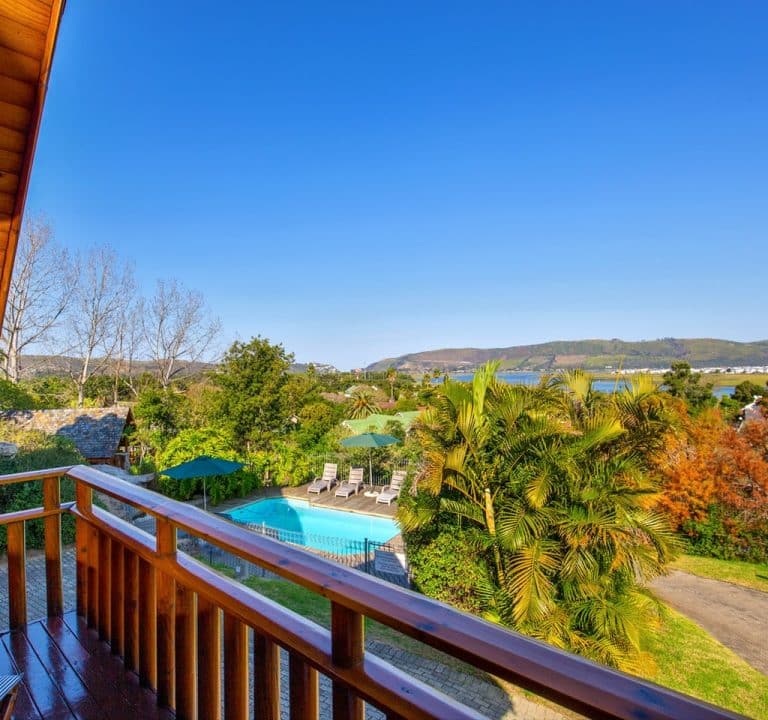
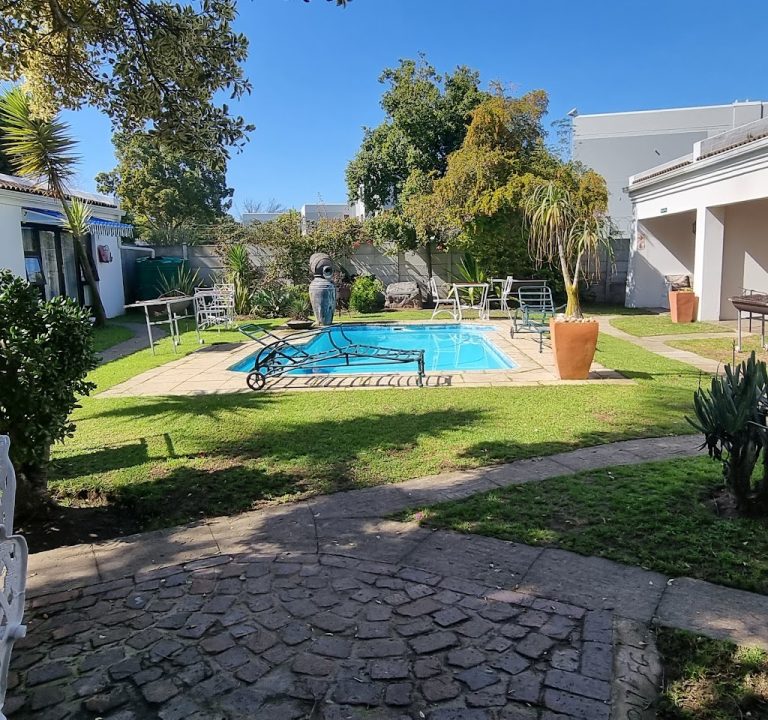
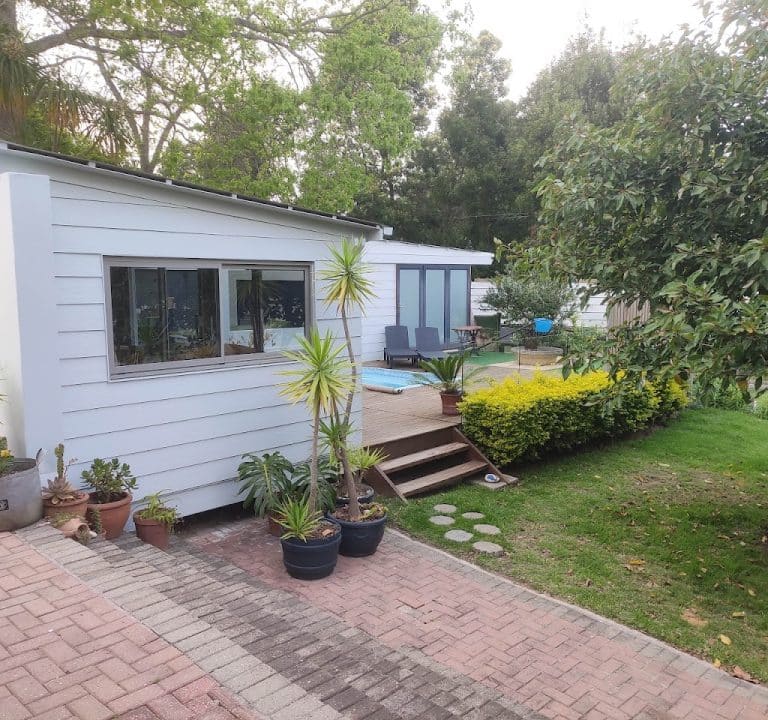
Typical amenities in Knysna’s accommodation spectrum include well-equipped en-suite bedrooms, private balconies or verandas, and daily housekeeping in many guesthouses and lodges. Kitchens or kitchenette facilities are common in self-catering units, while some boutique properties offer shared lounges, outdoor decks or braai (barbecue) areas. Heating or cooling options, especially in shoulder seasons, can be important, as Knysna’s climate varies with the seasons. A pool, garden spaces, or access to a terrace with views are frequent highlights that enhance a restful stay after day trips to local attractions.
Transport in Knysna is straightforward but varies by preference. If you plan to explore beyond the town, a rental car generally offers the most flexibility for scenic drives and forest routes. Local taxis or ride-hailing services can be convenient for short trips into town or to a restaurant on an evening. If you prefer not to drive, look for accommodations situated near the town centre or the harbour, where it’s easier to reach dining and activities on foot or by short taxi hops. The town has a walkable core, but the surrounding forests and coastal outlooks often require a car or organised tours to access.
The best time to visit Knysna hinges on what you want from your trip. Summer (December to February) brings warmer weather ideal for water-based activities, boat trips, and lake outings. Autumn (March to May) and spring (September to November) offer milder days with excellent wildlife and forest scenery, often at comfortable crowds. Winter (June to August) is cooler and quieter, yet still pleasant for long walks, forest hikes and enjoying the cosy ambience of lodges and guesthouses. If you are chasing seasonal experiences, such as migratory birds or forest bloom periods, align your dates with local guides’ recommendations and seasonal calendars.
Practical tips for a smoother stay in Knysna:
- Book early for peak periods and long weekends, especially if you want specific lodge-style properties or sustainable guesthouses.
- Ask about access to water-based activities, such as boat trips or forest experiences, and whether transfers to these activities are available from your accommodation.
- Choose properties with flexible dining options if you prefer not to eat out every night; some lodges offer on-site meals or shareable braai facilities.
- Check local neighbourhoods for safety and quiet hours, particularly if you are sensitive to street noise or require a dark, restful environment.
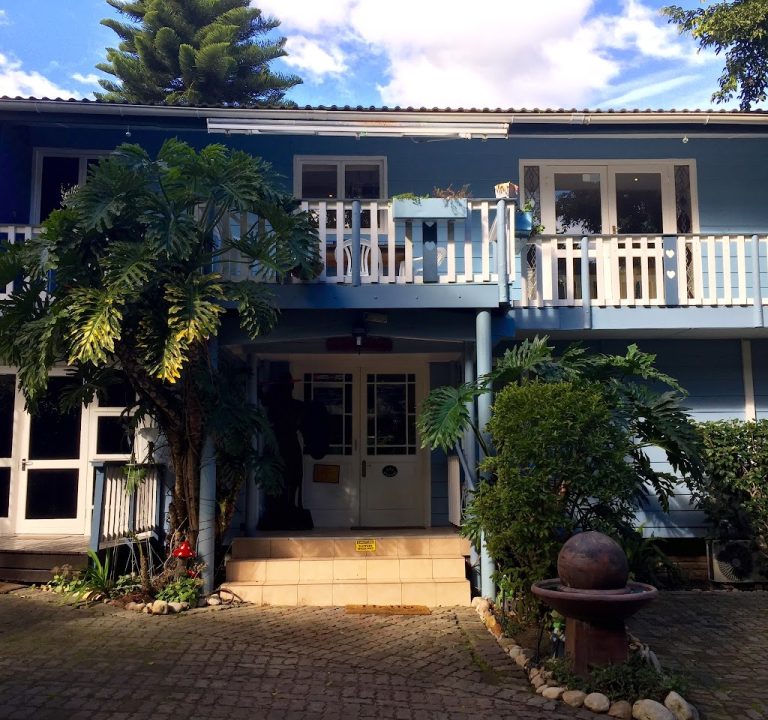
In addition to places to sleep, Knysna offers a memorable range of experiences. Visitors commonly enjoy scenic viewpoints along the coast, boat trips on the estuary, forest trails in the surrounding reserves, and leisurely days exploring local markets and cafés. Dining tends to focus on seafood and regional produce, with welcoming eateries that suit families, couples, and groups alike. For those seeking a curated stay, a lodge such as Abalone Lodges provides a base with access to a blend of comfort and proximity to Knysna’s natural highlights; more information can be found on its official website.
To plan your itinerary, consider a balance between outdoor adventures and downtime. A day on the water, a forest walk, and an evening meal at a riverside or harbour-side venue can form a satisfying rhythm. Allow time for flexibility in case of weather changes, especially for estuary and boat-based activities. With careful selection of area, amenities and transport options, a stay in Knysna can be both relaxing and exhilarating, offering a true gateway to the beauty of the Western Cape coast.
Example accommodation reference: Abalone Lodges is a lodge option in Knysna, offering a restful base with access to forest and coastal attractions. You can learn more about this property at its website: Abalone Lodges.