Staying in Westonaria, Gauteng: accommodation, attractions and planning tips
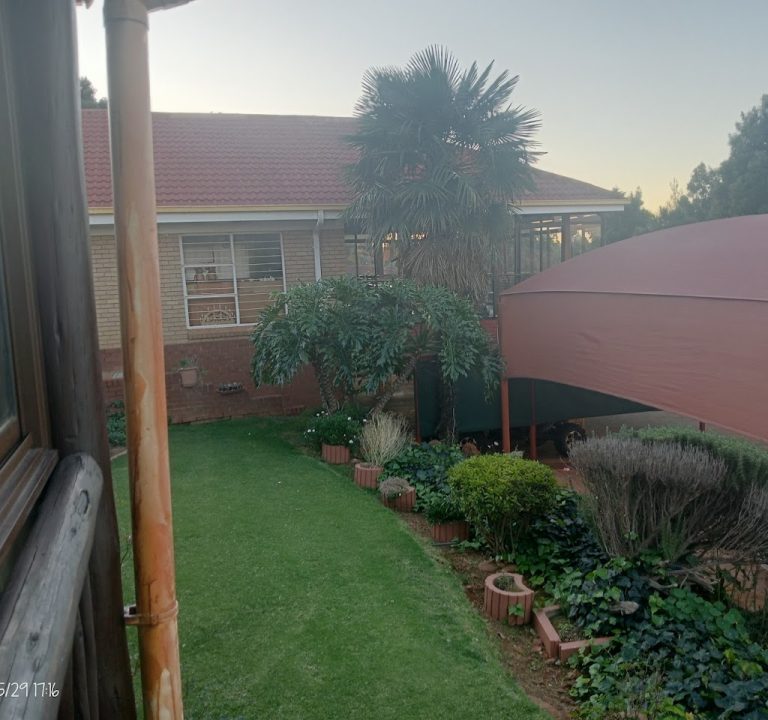
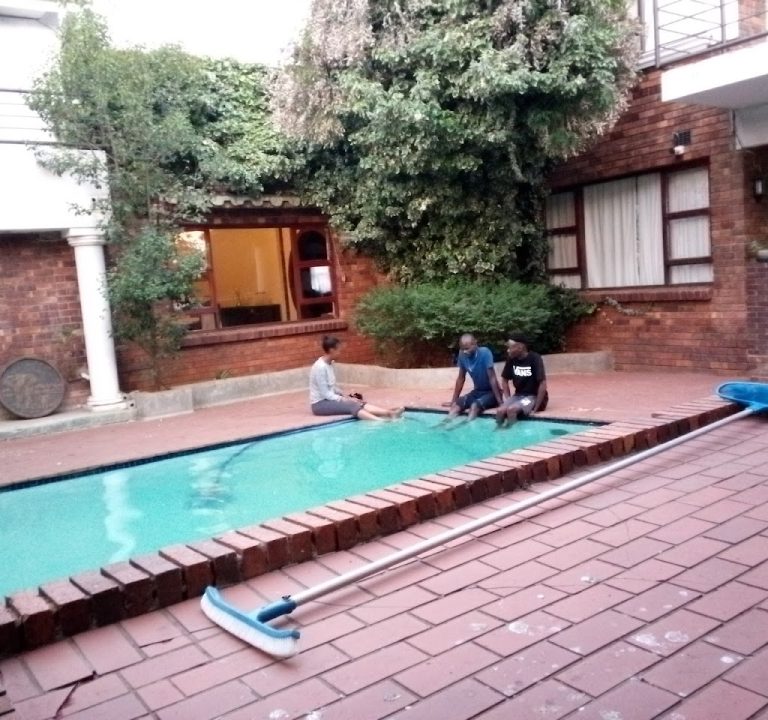
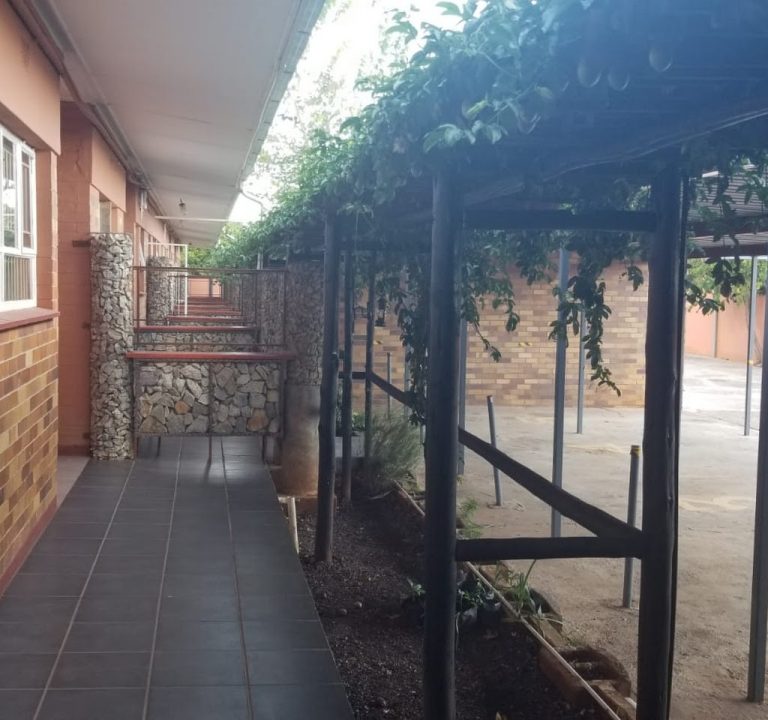
Westonaria sits on the West Rand of Gauteng, a region rich in mining heritage, open spaces and easy access to both rural charm and city amenities. A stay here works well for travellers seeking a quieter base within reach of Johannesburg, the Cradle of Humankind and surrounding nature reserves. Guest houses and small lodges offer a friendly, home-from-home atmosphere, while self-catering options provide flexibility for longer visits or family trips. One notable example in the area is Klipfontein Guest House, which embodies the guest house experience with personalised service and a convenient location for exploring the local neighbourhoods.
When choosing accommodation in Westonaria, consider the following areas and what they offer. The central town area often places guests near supermarkets, eateries and easy road access, making day trips straightforward. Suburbs on the outskirts may offer quieter streets, garden surroundings and space for families to relax after a busy day of sightseeing. Proximity to major routes can save time for longer regional trips, while secure parking and on-site security are practical priorities in South Africa. If you are unsure, a short call or email to the property can clarify whether you’ll have the specific features you need, such as self-catering facilities or flexible check-in times.
Typical amenities to look for include free parking and reliable Wi‑Fi, which make a big difference for longer stays. A guest house or lodge in this area may offer comfortable rooms with en-suite bathrooms, air conditioning, fans, and heating for the varied Gauteng climate. A compact kitchen or kitchenette is especially helpful for solo travellers and families alike. For groups, ask whether there are communal lounges, outdoor spaces or braai facilities, as these can enhance sociable evenings after days spent exploring. Cleanliness, good ventilation and consistent hot water are essential, so read recent guest reviews for practical insights before booking.
Transport in Westonaria is best approached with flexibility. A car is the most convenient way to reach surrounding attractions and to hop between towns in the West Rand. For non-drivers, nearby taxi services or ride-hailing apps can provide reliable connections to Johannesburg or the Cradle of Humankind, though services may be more limited on weekends. If you prefer public transport, plan ahead and allow extra time for connections. Airport transfers can be arranged through many accommodation providers or local operators, which is useful for early departures or late arrivals.
Best time to visit Westonaria depends on your activities. The South African winter (May to August) can be cool, with mild days and crisp evenings, ideal for scenic drives and long outdoor walks if you are properly dressed. Summer (October to March) brings warmer weather and the possibility of afternoon thunderstorms, which is great if you enjoy lush landscapes and increased birdlife, but pack a light rain layer just in case. Spring and autumn are comfortable shoulder seasons with generally pleasant temperatures for exploring outdoor markets, nature reserves and nearby reserves without the peak summer crowds.
Attractions and experiences in the wider area tend to focus on the West Rand’s heritage, landscapes and access to nature. Visitors commonly enjoy learning about local mining history from museums or interpretive displays, exploring open spaces and nearby nature reserves, and sampling day-to-day South African life in small towns and markets. Eating out tends to emphasise casual dining, including family-friendly cafés, bistro-style eateries and informal restaurants where you can try simple, heart-warming dishes. For a relaxed evening, look for venues with outdoor seating or garden spaces, which can be especially pleasant in fine weather.
When planning your stay, it helps to balance your days between rest and discovery. Factor in time for a morning walk or a short drive to a nearby scenic spot, followed by a relaxed lunch and a slower afternoon at your accommodation. Check whether your guest house offers any guided options, such as local walking routes, neighbourhood tours or recommendations for day trips. If you are staying in a self-catering property, stock up on essentials in the local shops before returning to your base, and keep a simple dinner plan in case you’d prefer a quiet evening in after a busy day.
Practical tips to help you plan and enjoy your visit:
- Book well in advance for weekends and holiday periods, as smaller guest houses can fill quickly.
- Request clear details about check-in times, housekeeping schedules and any shared facilities.
- Confirm parking arrangements and security features at the accommodation.
- Ask about nearby dining options and whether the property can arrange transfers or recommendations.
- Pack layers for variable Gauteng weather and a light rain jacket for summer showers.
For more inspiration and practical planning, consider exploring official tourism resources that cover Gauteng and the West Rand. They can provide maps, suggested itineraries and up-to-date information on events or markets in the Westonaria area. While the exact listings may vary, the general aim remains the same: to help you enjoy a comfortable stay, convenient transport, and enriching, relaxed experiences in and around Westonaria.
Westonaria offers a straightforward base from which to explore the broader West Rand. With thoughtful planning—focusing on your preferred neighbourhood, room essentials, and practical transport arrangements—you can enjoy a memorable stay that balances restful downtime with the region’s natural beauty and cultural glimpses. For those seeking a friendly, intimate lodging experience, a guest house such as Klipfontein Guest House can serve as a comfortable home base from which to discover the area at your own pace. More information about Westonaria and its visitor-friendly options can be found through regional tourism resources and the host accommodation’s own website if available.