Accommodation and exploring Westonaria, Gauteng: where to stay, what to expect, and how to plan your visit
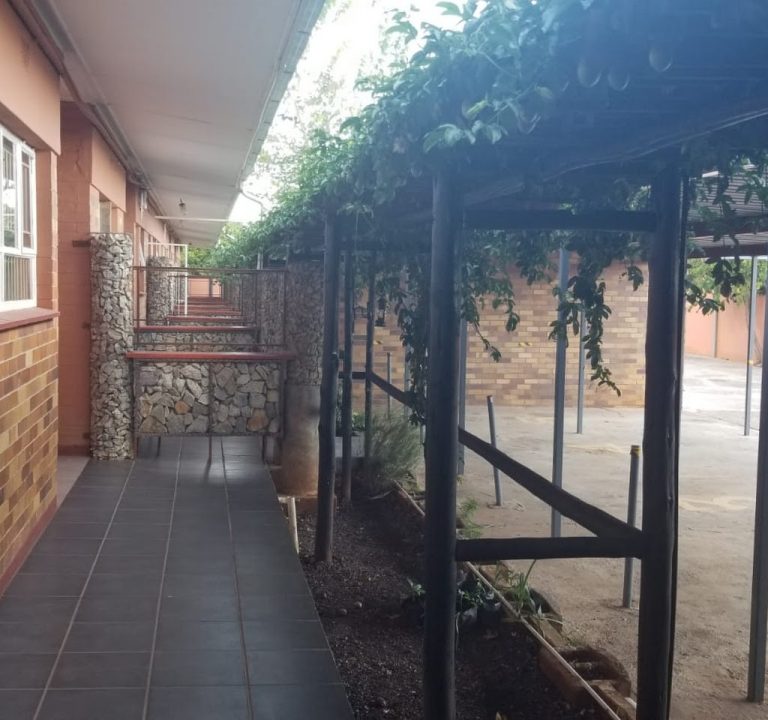
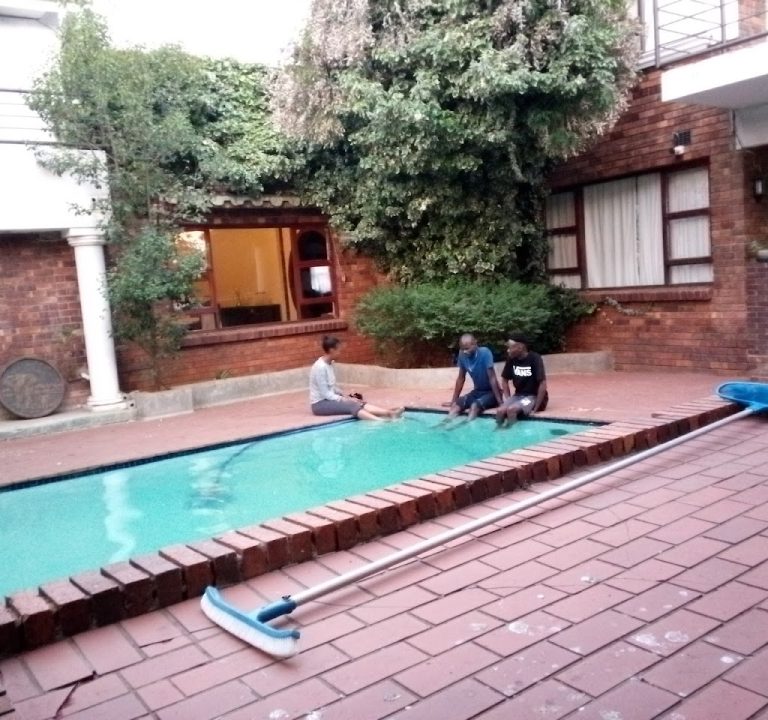
Westonaria in Gauteng offers a practical base for travellers looking to explore the western outskirts of Greater Johannesburg, with a mix of lodge-style stays, guesthouses and comfortable mid-range accommodation. When planning a stay, consider how you want to structure your days: whether you’ll use your base to explore nearby towns, or stay in Westonaria for easy access to outdoor spaces and mining heritage perspectives. A lodge such as Sinako Real Bed & Breakfast provides a convenient option for travellers who value a cosy atmosphere, personal service and straightforward facilities during a longer stopover or weekend break.
Where to stay in Westonaria largely comes down to what you want from your trip. The central township areas tend to offer walkable access to local shops and neighbourhood eateries, while quieter residential pockets can translate into a calmer stay with more private space. If you’re travelling by car, look for accommodation with on-site parking or easy street parking nearby. If you prefer public transport, check proximity to commuter routes or taxi hubs, as some parts of the region are best accessed with a little planning due to limited late-night services in certain areas.
Typical amenities to expect in Westonaria’s accommodation mix include comfortable ensuite bathrooms, Wi‑Fi, tea- and coffee-making facilities, and reliable heating or air conditioning, depending on the season. Many lodges and guesthouses offer breakfast as part of the package, with some venues providing additional options such as light meals or packed lunches for day trips. If you’re planning a longer stay, you may also find self-catering options or rooms with shared kitchen facilities, which can be a smart choice for travellers on a budget or those seeking flexibility.
Booking considerations are worth weighing up before you confirm a stay. First, check the room configuration—whether you’ll be in a single room, double, or a family suite—and whether a private bathroom is available. Assess the level of privacy you prefer, particularly if you’re travelling with friends or family. Second, consider the ambience and size of the property. A smaller lodge can offer a more personalised experience and insider tips from the hosts, whereas a larger guesthouse may provide more facilities and common areas for socialising. Third, review the cancellation policy and payment terms, especially for flexible or refundable rates. Finally, read host profiles and guest reviews to gauge consistency in service, cleanliness and responsiveness.
Transport in and around Westonaria is practical but varies by area. If you’re staying in the town centre or near key routes, you may be able to access amenities on foot or by short taxi rides. For broader exploration of the region, a car is the simplest option, as it grants freedom to visit neighbouring towns and outdoor spaces at your own pace. Consider the drive times to desired day trips and plan rest breaks, especially in warmer months. If you’re relying on public transport, map out the nearest taxi ranks or small shuttle services ahead of time and confirm pick-up windows with your host where possible.
The best time to visit Westonaria aligns with your preferred climate and activities. Summers (roughly November to February) can be warm and pleasant, with late afternoon storms possible, so plan outdoor activities in the cooler parts of the day. Autumn and spring are typically mild and comfortable for exploring the surrounding countryside and mining heritage sites. Winter (June to August) is cooler, and you’ll want a warm room and reliable heating. Weather and seasonal events can influence day-trip plans, so keep flexible options in your itinerary.
When planning activities, consider a mix of local experiences, nature, and cultural heritage. Westonaria and nearby towns offer opportunities to learn about the region’s mining history, enjoy scenic drives through rolling countryside, and make time for relaxed meals at neighbourhood restaurants and cafés. Rather than focusing on specific commercial claims, look for venues that emphasise warm hospitality, authentic regional flavours, and convenient access to your base. For day trips, you might explore nearby nature reserves, picnic spots, and viewpoints that showcase the landscape around Gauteng’s western hinterland.
Practical tips to help you optimise your stay:
- Book accommodation with a clear indication of included meals, parking arrangements and any shared facilities so you know what to expect on arrival.
- Request a map or local guide from your host and ask for recommendations on nearby eateries that suit your tastes and budget.
- Pack adaptable clothing for variable weather and consider a light layer for cooler evenings, especially if you’ll be outdoors.
- Have a rough plan for your day trips, but leave room for spontaneous stops at viewpoints, markets or small museums along the way.
- Check restaurant hours and vehicle access in advance, as some venues may have limited opening days or require reservations.
In summary, Westonaria offers approachable accommodation options that suit diverse itineraries, from cosy lodges to guesthouse stays with personalised service. A thoughtful approach to booking—considering room layout, privacy, and facilities—will help you get the most from your visit. Pair your stay with flexible planning for local attractions, outdoor spaces and dining experiences, and you’ll enjoy a relaxed, well-paced break in this western Gauteng corner of South Africa. For further information and ideas, you can explore official tourism resources and visitor guides as you refine your itinerary and confirm your arrangements.