Accommodation and Experiences in De Rust, Western Cape: Where to Stay and What to Do
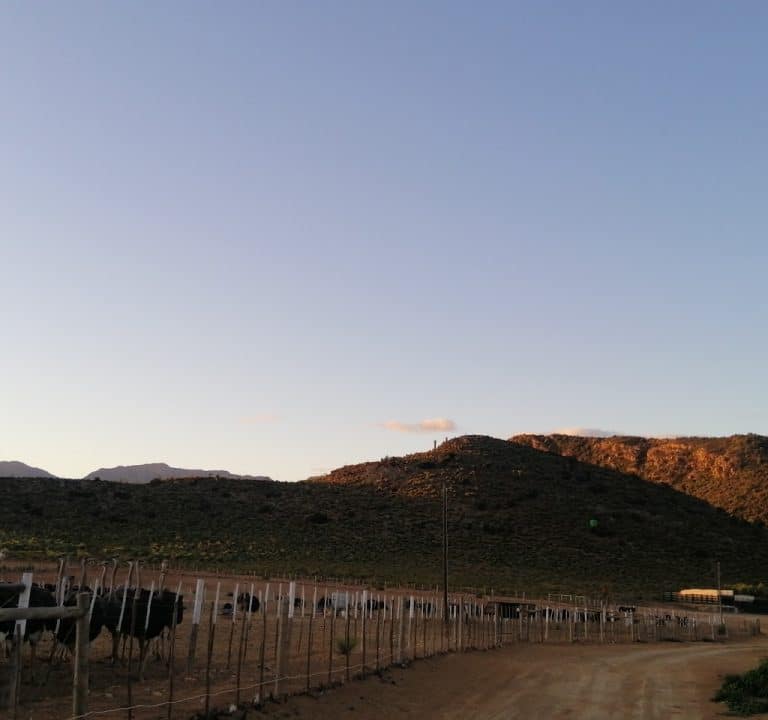
De Rust, a tranquil village in the Western Cape’s Klein Karoo, offers a gentle mix of farm stays, country lodges and guesthouses that suit travellers seeking authentic rural hospitality. For a stay at a working farm such as Kleingeluk Guest Farm, visitors can expect spacious surrounds, wildlife encounters, and a slower pace that makes it easy to unwind after days spent exploring the nearby scenery. Whether you are after cosy simplicity or well-appointed comfort, De Rust provides options that pair seamlessly with the surrounding landscapes.
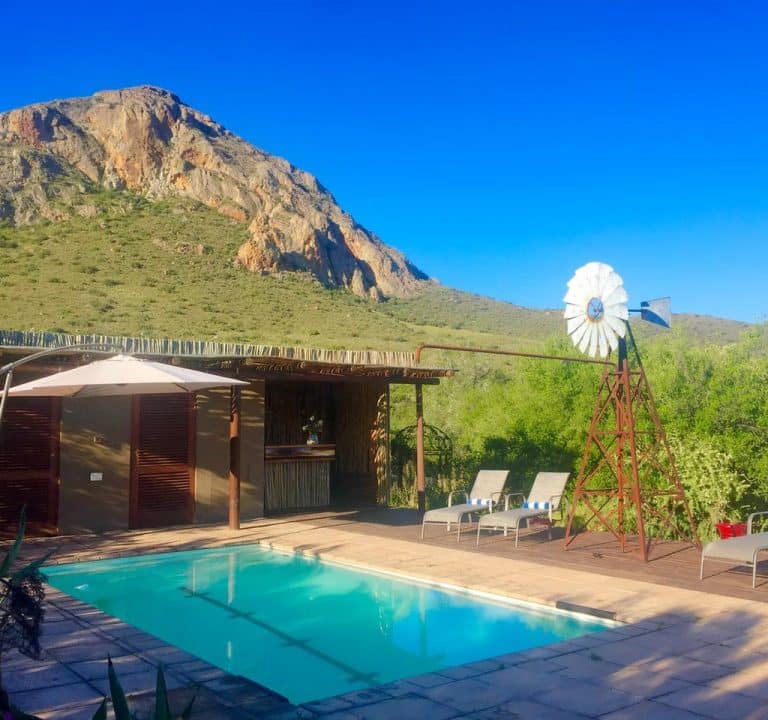
When planning a stay, consider the layout of the village and how you wish to spend your time. The centre of De Rust is compact, with handy access to essential services, eateries and local trails. If you prefer a more immersive escape, look for accommodation perched on the edge of the village or set within working farms. These locations often offer more expansive views, greater privacy, and closer contact with nature, which can be a real highlight of a Klein Karoo visit.
Typical amenities you might expect include private or semi‑private entrances, en‑suite bathrooms, comfortable heating for chilly evenings, and public spaces that let you soak up the rural ambience. Some guesthouses and farmstays provide self‑catering kitchens, which are convenient for longer stays or for travellers who enjoy preparing simple meals with fresh, locally sourced ingredients. Wi‑Fi access is increasingly reliable in the village, though it may be more variable on larger estates or in remote corner plots, so plan accordingly if you rely on online work or streaming.
Transport is an important consideration. De Rust is best explored by car, as many of the surrounding sights are spread out over rural roads and scenic byways. If you are flying into the region, you may hire a vehicle at the nearest airport and drive a short distance to De Rust. Within the village, you can usually walk to the centre for meals or the Sunday market, but a vehicle or bicycle will dramatically widen your horizon for day trips to nearby farms, viewpoints, or the more remote passes that characterise the Klein Karoo.
Best time to visit De Rust depends on what you seek. Spring (August to November) brings mild temperatures and colour from seasonal wildflowers, while autumn offers clear skies and pleasant daytime warmth with cool evenings. The summer months can be warm, and occasional rain showers bring relief from heat. Winter provides a quiet, contemplative atmosphere with crisp mornings and clear views across the veld, ideal for stargazing if your accommodation has outdoor seating or a cosy fireplace.
Places to look for when booking include: a quiet, private setting; direct access to outdoor spaces such as verandas or courtyards; opportunities for al fresco dining or farm‑to‑table meals; and a knowledgeable host who can provide practical guidance on local walks, driving routes and hidden viewpoints. For longer stays, consider whether the property offers laundry facilities and a simple kitchen for flexibility. Safety features, such as secure parking and well‑maintained paths, also matter, especially if you plan to explore at dawn or dusk to observe birds and other wildlife.
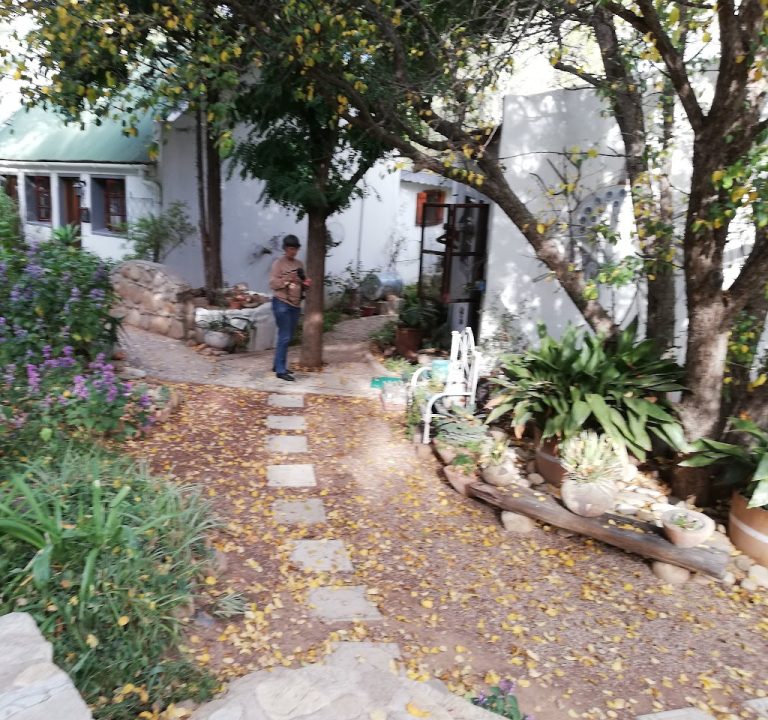
Accommodation options in De Rust range from rustic farm stays to refined guesthouses. If you are considering a stay at a farm such as Kleingeluk Guest Farm, you can anticipate an experience grounded in the rhythms of farm life, with rooms or cottages set among farmland and natural gardens. Guests often value space, privacy and the chance to encounter farm animals or see signs of rural activity up close. In addition to comfortable sleeping areas, these venues frequently offer communal living spaces where travellers can share stories, plan routes for day trips, and enjoy a laid‑back, sociable atmosphere after a day of exploring.
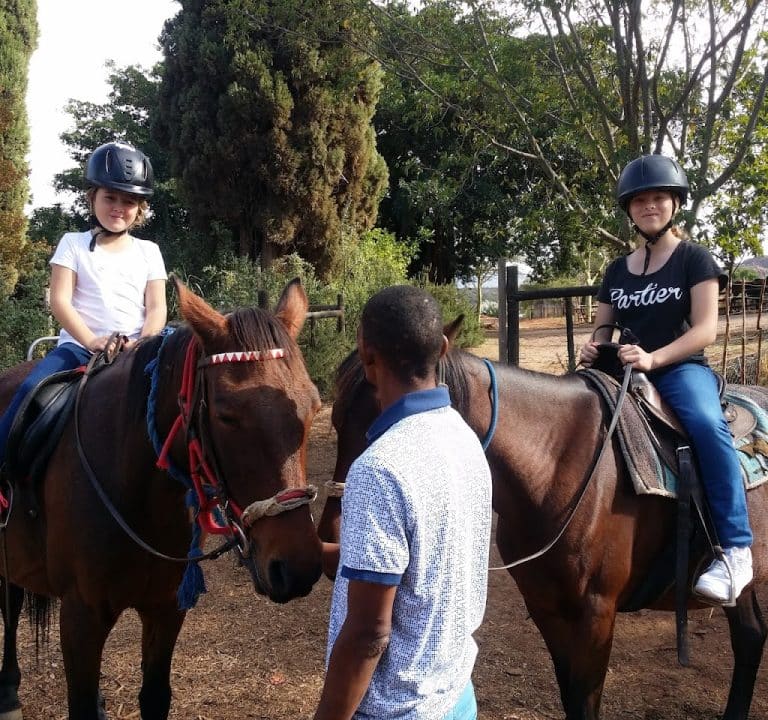
Exploring nearby attractions and dining options can enrich a De Rust visit without needing long detours. The Klein Karoo’s open scenery invites gentler outdoor pursuits such as short hikes, scenic drives, birdwatching, and photography of the vast skies and contrasting landscapes. Local wine farms, fruit orchards and blue‑skied horizons characterise much of the region, offering opportunities for tastings and leisurely day trips. In terms of dining, you will find venues that focus on seasonal ingredients, country cooking, and relaxed atmospheres suitable for a post‑adventure meal. When planning, it is sensible to allocate time for a couple of longer half‑day excursions—perhaps a drive along a dramatic pass, a world‑famous cave system in the wider region, or a farmyard experience that offers insights into rural life.
Practical tips for a smooth stay in De Rust:
- Pack layers for variable weather and cool evenings, especially in the autumn and winter months.
- Bring sturdy footwear for country walks and light trekking on farm tracks.
- Check with your host about access times for any gated areas or private trails on the property.
- Plan day trips with a flexible mindset; local driving distances are short but roads can be winding and scenic.
- Respect farm routines and wildlife; observe quiet hours and avoid disturbing animals during dawn and dusk.
- Look for places with accessible parking, clear directions, and hosts who can offer practical local knowledge for routes and farmer’s markets.
Whether you choose a rustic farmstay such as Kleingeluk Guest Farm or a cosy village guesthouse, De Rust presents a welcoming base to experience the Western Cape’s extraordinary landscapes. With thoughtful planning, your stay can balance comfortable accommodation with easy access to nature, food, and the region’s gentle, slow‑tempo charm.