Staying in De Rust: accommodation, planning tips and local highlights
De Rust, a charming village perched on the edge of the Klein Karoo in the Western Cape, offers a relaxed stay for travellers seeking a slower pace, stunning scenery and easy access to outdoor adventures. When planning a visit, consider both your lodging style and the surrounding neighbourhoods to make the most of your time in this picturesque corner of South Africa.
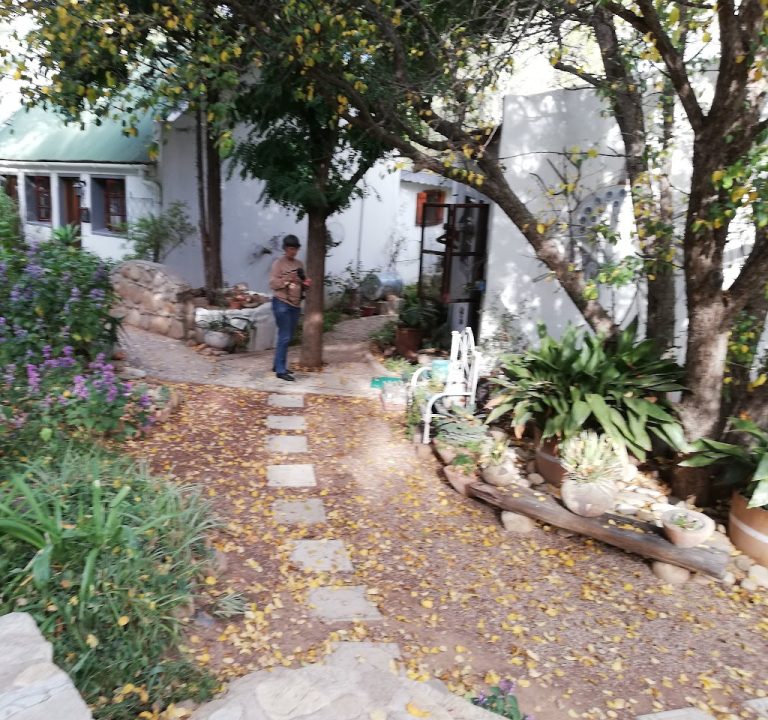
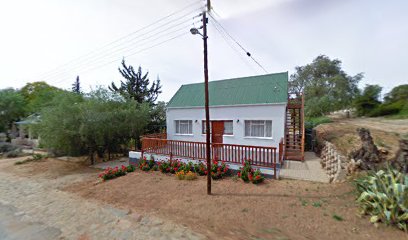
Accommodation options in De Rust range from intimate guest houses to self-catering cottages and boutique inns. One notable example is Die Gat Guest House De Rust, which blends traditional Karoo hospitality with comfortable, well-appointed rooms and a convenient base for exploring the area. When evaluating places to stay, look for a few key features that can enhance your visit: a warm welcome on arrival, clear information about nearby activities, and an emphasis on guest comfort that suits your itinerary. Booking platforms and the property’s own website can provide photos, floor plans and a sense of the layout so you know what to expect.
Geography and neighbourhoods matter for your stay. De Rust sits near rolling hills, vast plains and rugged landscapes, with several lanes of charming, old-world houses and a village centre that offers a handful of eateries, craft shops and galleries. If you value quiet evenings and easy access to nature, you might prefer accommodation tucked away along a quiet street or just outside the village core, where you can enjoy a more peaceful ambience while still being within walking distance of amenities and trails. Conversely, staying closer to the village centre can be ideal if you want to stroll to cafés, information centres and gallery spaces after a day outdoors.
Typical amenities to look for include reliable heating or cooling, given the seasonal fluctuations in temperature, and well-equipped kitchens or kitchenettes for self-catering stays. A comfortable bed and good lighting are essential for restful nights after day trips. Some guest houses offer outdoor seating, shaded courtyards or verandas where guests can unwind with a cup of coffee and the Karoo air. For families or groups, check whether the property provides extra sleeping arrangements such as cots or sofa beds, and whether there are secure parking options on-site or nearby.
Transport in and around De Rust is straightforward, though not as dense as in larger towns. The village is best explored by car, which gives you the flexibility to navigate the surrounding farmlands, wine routes and nature reserves at your own pace. If you arrive by air, the nearest regional hubs offer connections to larger centres, from which a hire car provides the most efficient way to access De Rust and the sights nearby. Within the village, destinations are generally walkable, but it’s wise to have your plan prepped, especially for longer day trips. Local hosts can provide practical tips on parking, routes and public transport options that suit your stay.
The best time to visit De Rust depends on your interests. Spring and autumn bring mild weather ideal for walking, cycling and short hikes. If you enjoy wildflowers, springs offer a striking display, while the cooler winter months bring clear skies and dramatic landscapes that are perfect for photographers. Summer can be warm, with clear days ideal for outdoor exploration, while humidity is typically low. It’s worth noting that the Karoo climate can be changeable, so layering and a light rain jacket are sensible additions to any packing list.
When planning a stay, consider a balanced itinerary that includes nature-based activities, a touch of culture and time to savour local cuisine. In the vicinity, you can expect opportunities for scenic drives, short hikes and wildlife-viewing in nearby reserves or protected landscapes. Practical tips include booking accommodation with flexible cancellation policies where possible, carrying a reusable water bottle, and respecting farm and wildlife etiquette in rural settings. While local highlights are low-key, the charm lies in the scenery, the open skies and the hospitality you’ll encounter in the village and its surrounds.
Dining and local flavours are an integral part of a De Rust visit. Look for small, family-run eateries and bistros where seasonal ingredients feature on the menu and where you can enjoy relaxed, friendly service. In addition to dining options, there are small galleries and craft shops that capture the region’s character and craftsmanship. While exact menus and opening times may vary, you can expect uncomplicated, unpretentious fare that emphasises fresh ingredients and a sense of place. If you are staying at a guest house such as Die Gat, your host may be able to suggest nearby options and offer reassurance about reservations during peak periods.
To help you tailor your stay, consider the following quick planning notes:
- Choose an area that aligns with your pace—quiet outskirts for tranquility, or central areas for easy access to shops and cafés.
- Check what is included in your rate (breakfast, self-catering facilities, parking, wifi) and whether there are additional charges for activities or incidentals.
- Ask about kitchen facilities, laundry access and any on-site amenities such as outdoor seating or barbecue areas.
- Confirm access arrangements and late arrival policies if you anticipate arriving after hours.
- Plan day trips with realistic driving times and consider a map or offline navigation in case of limited mobile signal.
- Explore the official website or contact your chosen accommodation for recommendations on local experiences and seasonal highlights.
For travellers seeking a central, well-managed base in De Rust, Die Gat Guest House De Rust offers a convenient reference point and a sense of Karoo hospitality. Explore the property online at Die Gat Guest House De Rust to gather ideas about room layouts, typical amenities and guest services. With its warm welcome and strategic location, De Rust can be an excellent starting point for a memorable Western Cape getaway that blends nature, culture and comfortable accommodation.