Accommodation and Attractions in Johannesburg: Plan a Stay in Gauteng’s City of Contrasts
Johannesburg, or Jo’burg as many locals call it, offers a vibrant mix of accommodation styles, from boutique bed & breakfasts and lodge-style guesthouses to contemporary city hotels and modern apartments. When planning a stay in Gauteng’s largest city, consider which neighbourhoods will place you closest to your interests—whether it’s a cultural morning in the city centre, a day of shopping and dining in Sandton, or a weekend countryside escape not far from the urban core. The right base can make day trips easy and evenings effortless.
Accommodation in Johannesburg tends to cluster around several key areas, each with its own character. The northern suburbs around Sandton and Rosebank are popular for business travellers and shoppers, with easy access to the Gautrain station network, high-quality dining, and international-standard amenities. Jazz-age and art-friendly precincts in Maboneng and Braamfontein buzz with cafes, galleries, and nightlife, while Melville offers a more laid-back, bohemian vibe with affordable stays and a strong café culture. For a winelands-in-the-city feel, you can combine a stay with a visit to nearby areas in the northern suburbs or a quick drive to the hills and parks beyond the urban fringe. If you are seeking a deeper cultural experience, consider a stay that helps you access Soweto’s heritage precincts and guided tours respectfully and safely.
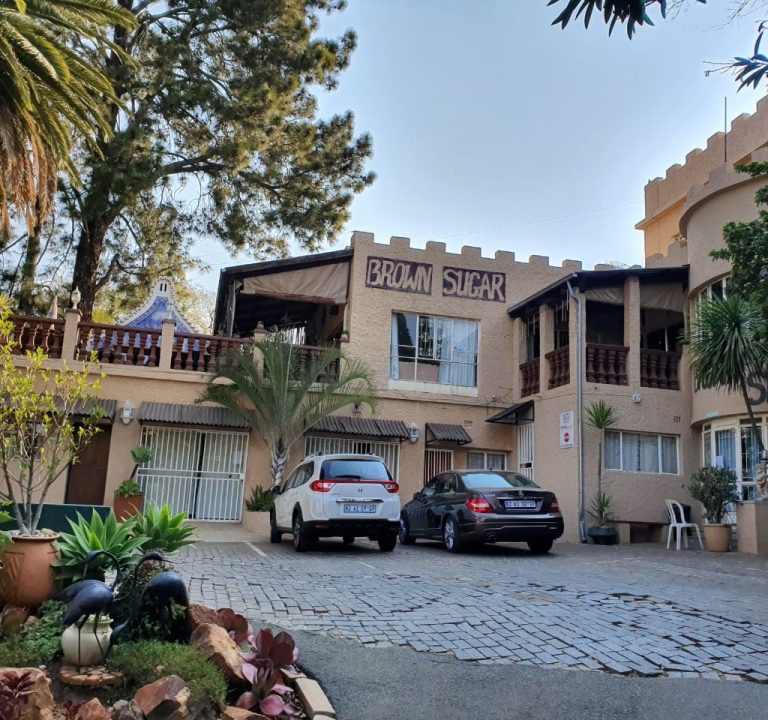
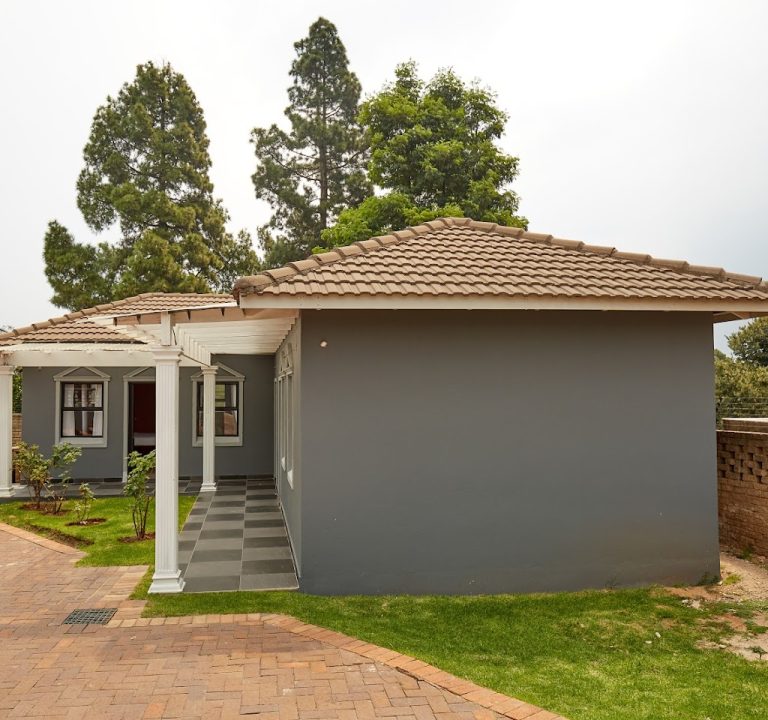
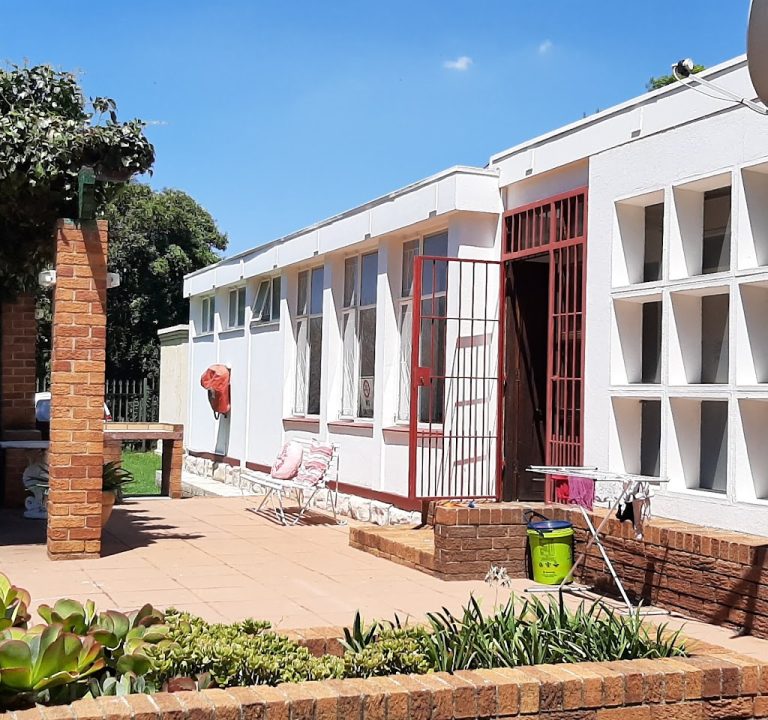
When it comes to planning, think about what a stay should include. Typical amenities in Jo’burg lodgings and guesthouses include a hearty breakfast, reliable Wi-Fi, private or semi-private entrances, secure parking, and friendly, knowledgeable hosts who can point you to local dining and transport options. If you value privacy, many boutique lodges provide discreet layouts with dedicated entrances and modern en-suite facilities. For families, larger guesthouses may offer family rooms or suites, with easy access to parks and attractions. Business travellers often look for practical touches such as workspaces, shuttle possibilities, and proximity to conference venues or corporate districts.
Transport in Johannesburg is a practical consideration. The city operates a rail network via the Gautrain, which links the airport with Sandton and Pretoria, offering a rapid alternative to city traffic. Taxis and ridesharing services are widely available, and many lodges and guesthouses offer on-site parking. If you are exploring more than one area, choosing accommodation near a Gautrain station or a major bus corridor can save time and reduce travel fatigue. When planning day trips, factor in traffic patterns, especially during peak hours, and plan for safety and simple navigation in busy districts.
Best time to visit varies with your priorities. The winter months (June to August) are dry and cool, making wildlife spotting and comfortable city walks pleasant, while the summer (November to March) can be hot and rainy but lush with greenery and outdoor activities. Spring and autumn offer mild weather suitable for outdoor markets, garden strolls, and cultural events. If you are seeking special events, check local calendars for art fairs, markets, and performances, as Johannesburg’s cultural calendar is lively year-round.
When choosing where to stay, consider a few practical criteria. Proximity to your intended activities is useful, but so is the personality of the area: a guesthouse in a quieter residential street may feel safer and more intimate, while a boutique hotel in a lively precinct offers quick access to restaurants and nightlife. Check for soundproofing in rooms if you plan to sleep well after late evenings, and verify breakfast options if you want a strong start to the day. If accessibility matters, look for accommodations with lift access, well-lit paths, and on-site staff who can assist with directions and transport bookings.
Beyond the hotel door, Johannesburg’s attractions stretch from world-class museums to open-air markets and family-friendly parks. Visitors commonly enjoy learning about South Africa’s history at well-curated museums, exploring the Constitution Hill precinct, and taking a stroll through revitalised urban spaces that blend street art with boutique eateries. For families and food lovers, the city’s dining scene ranges from traditional South African taverns to contemporary international cuisine, with many venues offering casual tasting menus and seasonal dishes. For a broader taste of Gauteng, consider day trips to nearby nature reserves or vineyards, which can be reached by car or guided tours from major hubs in the city. You can find practical visitor information at official tourism resources to help plan itineraries and book activities through reputable operators.
In short, the key to a satisfying Jo’burg stay is choosing the right base, understanding transport options, and aligning your lodging with your planned activities. A well-located guesthouse or lodge can provide personalised recommendations, while a hotel near a vibrant precinct might maximise your dining and nightlife experiences. Whichever option you choose, Johannesburg rewards visitors with a dynamic mix of culture, cuisine, and contemporary South African life. For practical planning and official tourist information, you may consult the City of Johannesburg’s resources or Gauteng’s broader tourism pages for up-to-date guidance and ideas.
- Consider areas: Sandton, Rosebank, Maboneng, Braamfontein, Melville, and Soweto for varied atmospheres and access to transport.