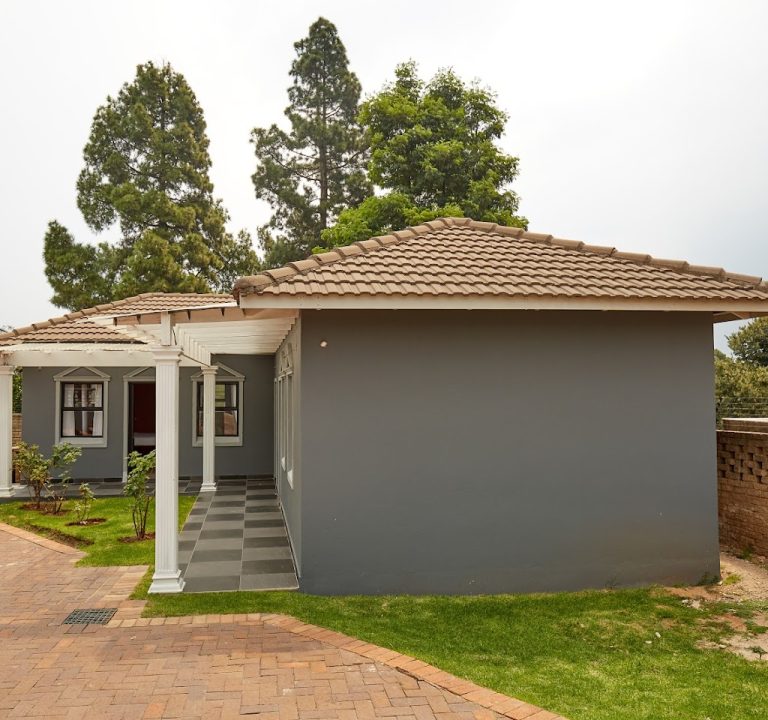
Accommodation and Attractions in Johannesburg, Gauteng: Planning Your Stay
Johannesburg sits at the heart of Gauteng, offering a sprawling mix of neighbourhoods, modern hotels, boutique guesthouses, and comfortable apartments that suit a variety of itineraries. When planning a stay, think about what you want to experience most—safe access to business districts, easy hops to cultural hubs, or a quieter retreat near parks and museums. A well-chosen base can cut transit time and maximise your time exploring the city’s energy, history, and dining scenes.
Areas to consider include the stylish corridors of Sandton, home to upscale hotels and shopping complexes with convenient access to the Gautrain. Rosebank provides a more relaxed, cosmopolitan vibe with smaller guesthouses and a gentle, walkable street life. Braamfontein and Newtown offer a hip, centrally located base for nightlife, galleries, and theatres, while Melville and Melrose Arch present a mix of eateries, boutiques, and mid-range stays. If you’re seeking a quieter stay with easy access to parks and nature, consider lodging near the northern or eastern suburbs, where leafy streets and residential charm provide a different perspective on the city.
What to look for when booking: consider the purpose of your trip and the rhythm of your days. If you’ll be out exploring from dawn till evening, a well-situated location with straightforward transport links is crucial. Check proximity to rail or bus routes, airport transfers, and rideshare availability, as well as access to off-street parking if you’re driving. For families or longer stays, look for apartment-style units with kitchen facilities and separate living spaces. Express interest in properties that offer reliable Wi-Fi, a comfortable workspace if you need to catch up on emails, and a sturdy security setup, given Johannesburg’s urban landscape.
Typical amenities in Johannesburg accommodation include secure parking or easy public transport access, comfortable beds with quality linens, clean en-suite bathrooms, and dependable hot water. Many hotels and guesthouses provide daily housekeeping, on-site dining options, and reception staff who can assist with tailored city tips. For longer stays, self-catering apartments or serviced suites are popular, offering laundry facilities, cooking spaces, and longer-term rates. If you’re visiting during peak seasons, booking in advance can help secure better rates and ensure room preferences are honoured.
Transport tips: Johannesburg’s road network and time-to-travel can vary with traffic. If you’re staying in central or northern districts, the Gautrain rail network provides a fast link to the airport and to Pretoria, with convenient connections to various suburbs. Uber and other rideshare services operate widely, making evening outings and restaurant hops straightforward. For exploring beyond the city, consider arranging a hire car with a trusted operator or rent-and-drive services from the main hubs. If you prefer guided experiences, look for accommodation that can arrange reputable day tours, from township heritage tours to safari-inspired getaways in nearby natural areas.
Best time to visit: Johannesburg experiences a mild winter from May to August, with daytime temperatures that are comfortable for city walking and outdoor activities. Spring and autumn can be ideal for sightseeing when the weather is pleasant but not too hot. The city’s rainy season typically falls in the late summer months, with afternoon thunderstorms. If your plans include outdoor markets, live music, or open-air festivals, aligning your stay with local events can enrich your visit, though be prepared for the occasional weather shift and plan indoor alternatives as a backup.
Practical planning tips for travellers:
- Prioritise safety and situational awareness, especially when exploring street markets or late-night venues. Choose well-reviewed properties in well-lit neighbourhoods and use reputable transport options after dark.
- Balance your days with a mix of cultural sites, such as museums and historic districts, alongside opportunities to experience local dining, street food, and casual cafés.
- Ask your host or hotel staff for personalised recommendations on public transport routes, neighbourhood walks, and safe venues for dining and entertainment near your stay.
- Pack adaptable layers to cope with Johannesburg’s variable climate, and bring comfortable walking shoes for urban exploration.
- Respect local customs and communities when visiting townships or improvised markets, and consider guided experiences that emphasise responsible tourism and community engagement.
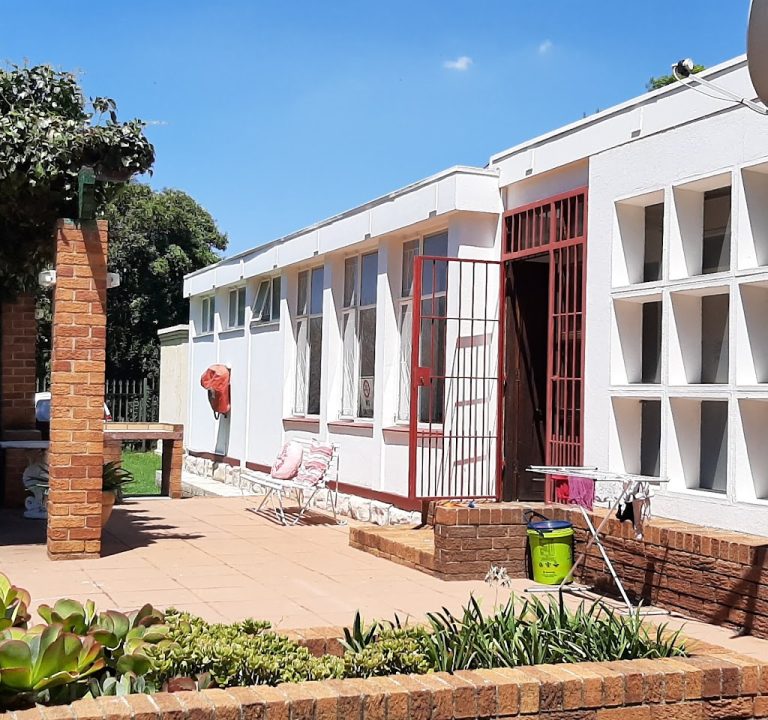
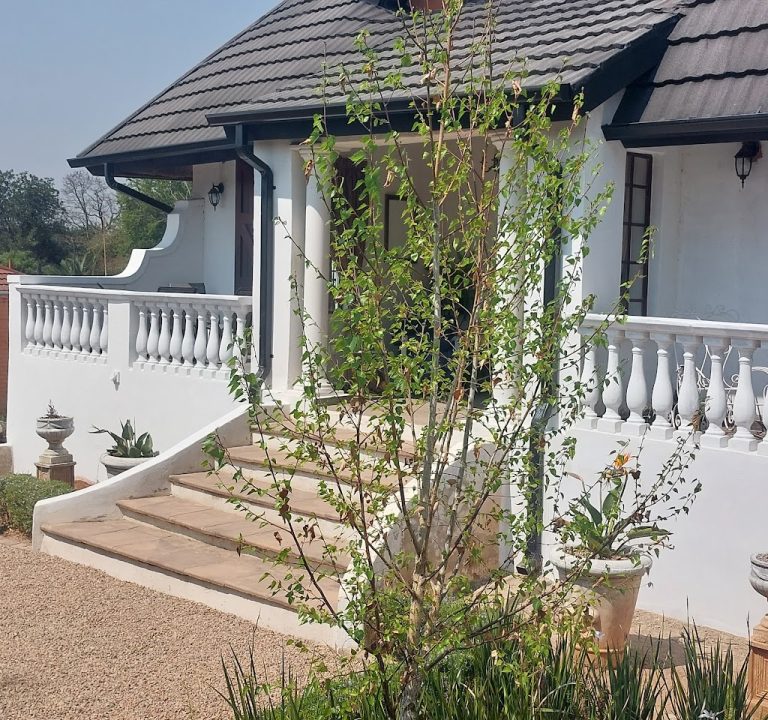
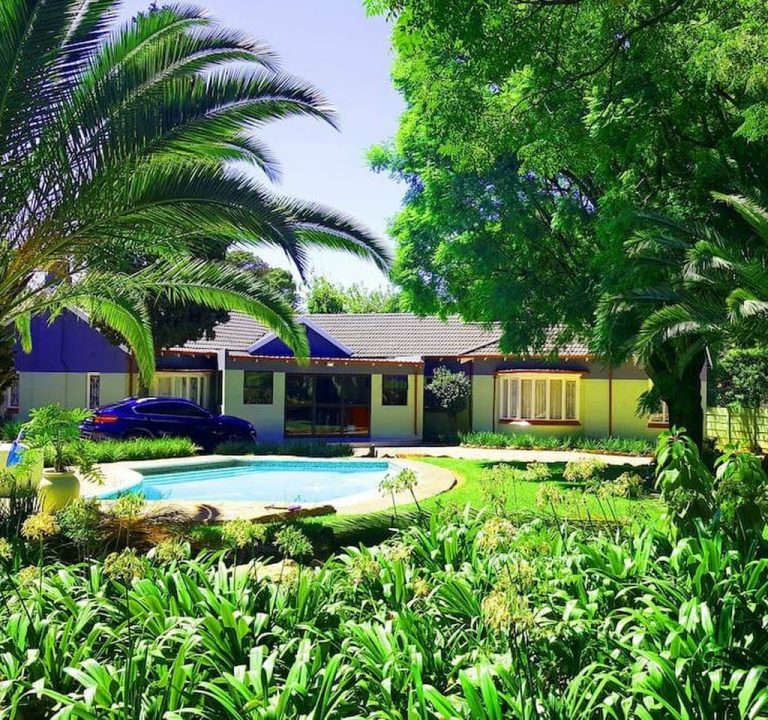
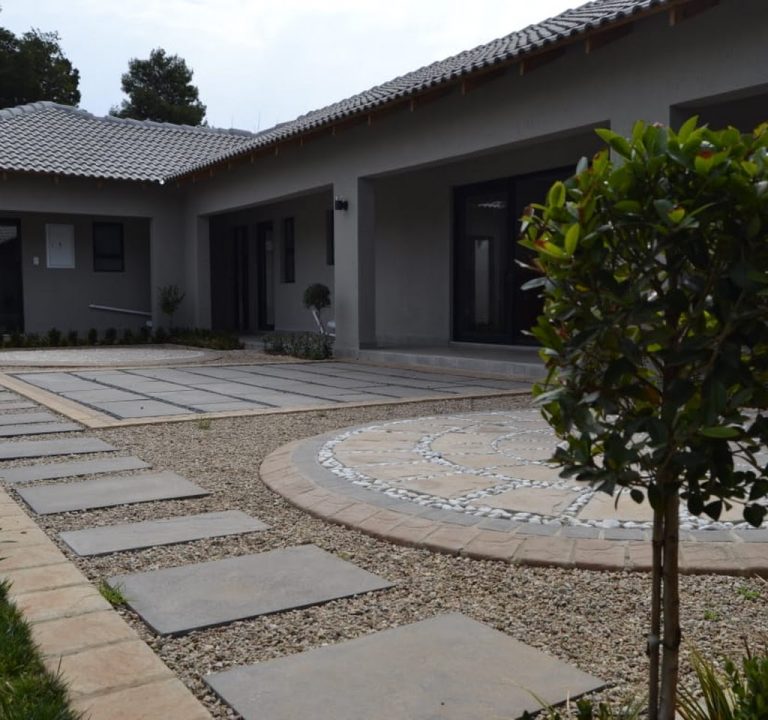
Accommodation types to consider include a mid-range hotel with attentive reception and a reliable concierge service, a boutique guesthouse with a personalised touch and local insight, or a self-contained apartment ideal for flexible stays. If you’re planning a longer visit or travel with family, a serviced apartment near a park or green corridor can offer a pleasant balance of convenience and space. For travellers focused on food and culture, staying in central districts provides quick access to a range of dining options—from casual eateries to contemporary venues—and easy routes to major galleries and theatres.
Bottom line: Johannesburg rewards thoughtful planning and a flexible itinerary. By selecting neighbourhoods aligned with your interests, prioritising practical amenities, and using secure transport options, you can enjoy a vibrant, comfortable stay and access the city’s dynamic mix of attractions, gastronomy, and experiences with ease.