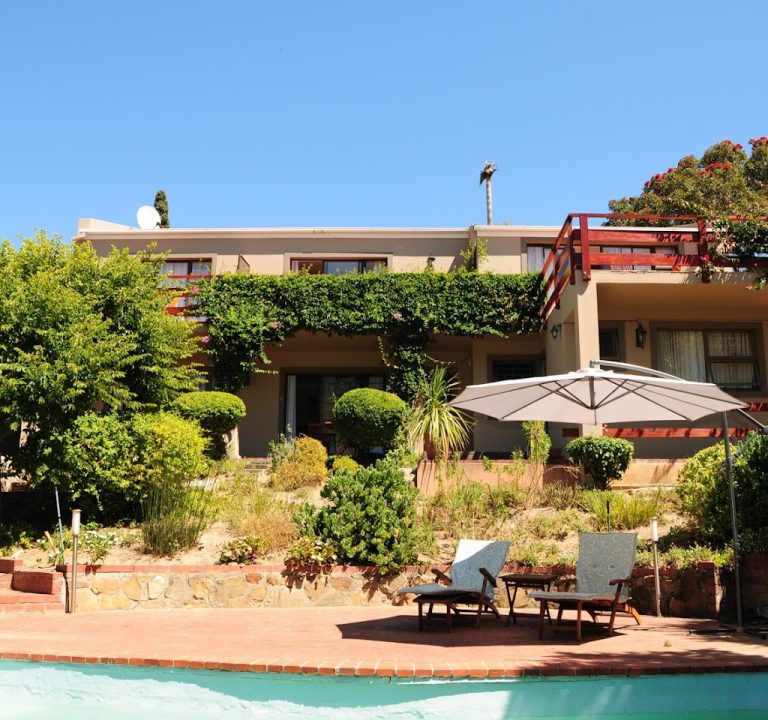
Staying in Cape Town, with a focus on Klein Moddergat Estate and surrounding options
Cape Town offers a diverse mix of places to stay, from boutique guesthouses tucked away in leafy neighbourhoods to modern apartments with sweeping harbour views. When planning a visit, think about the experience you want: a laid‑back coastal getaway, a city-base for iconic sights, or a country‑style retreat within easy reach of vineyards and nature. For travellers drawn to indoor and sheltered settings, Klein Moddergat Estate (an indoor lodging option) can be a useful starting point for imagining how flexible layouts and single‑family or multi‑room configurations can fit a planned itinerary.
Areas to consider when booking include the Atlantic Seaboard for dramatic ocean scenery and stylish dining, the City Bowl for walkability and access to museums, and the Constantia Valley for verdant layovers and easy day trips to wine farms. The Cape Flats and southern suburbs offer more affordable options and convenient access to ferries and highways, while the winelands exo‑urban towns provide a tranquil contrast to busy city centre stays. If you are travelling with family or a group, look for properties with separate bedrooms, a kitchen, and reliable housekeeping services, as well as a guest lounge or communal spaces that encourage socialising in a comfortable, low‑key setting.
What to look for when booking a stay in Cape Town depends on your priorities. Proximity to public transport, including MyCiTi bus routes and rail links, can save on taxi costs and reduce driving stress. An elevator or ground‑floor access matters for travellers with heavy luggage or mobility needs. Check for practical amenities such as en‑suite bathrooms, a well‑equipped kitchen, fast Wi‑Fi, and secure parking if you plan to hire a car. For indoor lodging or properties offering indoor amenities, ensure that heating or cooling systems are reliable for the season, and that common areas are comfortable for both short rests and longer evenings indoors.
Transport in Cape Town is generally straightforward but can be slow during peak hours. If your stay centres on the V&A Waterfront and the central business district, walking and short rides may be convenient, especially in good weather. For more rural‑leaning stays or ventures into the Constantia valley or Cape Winelands, a car or a trusted driver becomes more practical. It is worth asking hosts about shuttle services or recommended local transport options, particularly if you plan early morning or late evening outings to view hills and coastline without relying entirely on private arrangements.
Best time to visit Cape Town depends on your preferences. Spring (September to November) and autumn (March to May) bring mild weather and fewer crowds, ideal for outdoor activities around the Atlantic Seaboard and hiking routes up Table Mountain. Summer (December to February) offers longer days and bustling markets, with excellent conditions for beaches and coastal walks. Winter (June to August) can be cooler and windy, but the city’s indoor attractions – museums, galleries, theatres, and indoor markets – remain appealing and often more affordable. If you plan wine tasting or vineyard tours, consider staying in the Constantia Valley or nearby Stellenbosch and Franschhoek for convenient day trips, especially when peak tourist traffic is high in the city itself.
Typical amenities for well‑appointed Cape Town stays include a well‑equipped kitchen or kitchenette, comfortable beds with quality linens, en‑suite bathrooms, secure parking or easy access to transport, and reliable hot water. Many guesthouses and boutique hotels offer stylish communal areas, complimentary tea and coffee facilities, and a friendly concierge service to help you plan daily outings. For longer stays, a dedicated workspace with good lighting and desk space can be a deciding factor, particularly for travellers who mix business with leisure. If you’re considering Klein Moddergat Estate or similar indoor lodging, you may find layouts designed to maximise privacy and comfort, sometimes with multiple living zones or flexible sleeping arrangements to accommodate different guest groups.
Attractions and experiences to plan around include iconic viewpoints and natural landscapes, easy coastal walks, contemporary art galleries, and a range of dining options from casual eateries to fine dining. While this article does not list specific names or prices, you can expect to find a wealth of options within an easy drive or short ride from most central bases. For a balanced itinerary, combine a few outdoor mornings, a mid‑day museum or gallery visit, and an evenings out to explore Cape Town’s diverse culinary scene. Booking in advance for popular experiences is wise, particularly in peak seasons, but many places also welcome walk‑ins or last‑minute reservations depending on availability.
Practical tips to optimise your stay:
- Book flexible rates where possible to adjust for weather or changing plans.
- Confirm the property’s access arrangements, especially if you arrive late; many places offer self‑check‑in options.
- Check the cancellation policy and what is included in the price (parking, housekeeping, and utilities).
- Ask hosts about local tips, such as transport options, markets, and safe neighbourhood routes.
- Plan a mix of indoor and outdoor activities to match weather and energy levels.
Ultimately, Cape Town rewards visitors who mix smart planning with a sense of curiosity. Whether you stay in a refined inland lodge like Klein Moddergat Estate or choose a more central, activity‑ready accommodation, you’ll find that good logistics, thoughtful amenities, and local knowledge can transform a ordinary trip into a memorable, well‑paced adventure. For further ideas and up‑to‑date travel information, you can explore official tourism resources and curated accommodation websites to tailor a stay that suits your interests and budget.