Accommodation and Attractions Guide for Cape Town, Western Cape
Cape Town is a city of contrasts, offering a wide range of places to stay that suit explorers, romantics and families alike. From sunlit shores to quiet hillside streets, your choice of neighbourhood can shape your whole experience. Consider staying in areas that balance easy access to sights with a sense of local character, and look for hosts that prioritise comfort, safety and practical conveniences aligned to your plans.
To begin with, a few standout areas for different travellers. The City Bowl is perfect for walkers and food lovers, placing you close to museums, markets, eateries and vantage points. The Atlantic Seaboard, including Camps Bay and Clifton, provides beachfront splendour and sunsets, with a range of boutique stays and serviced apartments. Green Point and the V&A Waterfront area are ideal for those who want nightlife, cinema, shopping and easy access to boat tours and harbour activities. Constantia and the southern suburbs offer leafy tranquillity and wine country day trips, while Bo-Kaap adds colour, culture and hilltop views. For a more active itinerary, a base near Table Mountain or Lion’s Head can reduce transfer time on outdoor days.
When planning a stay, think about what matters most: convenience for planned activities, quiet at night, proximity to transport and the kind of vibe you want on holiday. If you’re travelling with family or a group, look for self-catering options or guesthouses with family rooms, larger suites or a communal kitchen. For couples or solo travellers seeking a stylish yet comfortable ambience, boutique guesthouses and small hotels often deliver personalised service and thoughtful touches.
Typical amenities you might encounter include en-suite bathrooms, air conditioning or ceiling fans, free Wi‑Fi, secure parking, daily housekeeping, and breakfast options ranging from continental to full, cooked breakfasts. Some properties offer transfers from the airport or train stations, organised tours, or advice on local routes and safe neighbourhoods. If you’re exploring with a vehicle, confirm parking arrangements in advance, especially in popular central areas where spaces can be limited.
Booking considerations are important in Cape Town. Look for listings with clear safety features, reliable housekeeping schedules, and transparent cancellation policies. A helpful host can provide practical tips on navigating the city, including popular scenic routes, current advisories and the best times to visit certain attractions to avoid crowds. Where possible, read recent guest reviews to gauge consistency in service and to check for any changes in neighbourhood dynamics that might affect your stay.
Transport in Cape Town is diverse and practical. The city offers a dependable bus service and easy ride-hailing options. If you plan to explore beyond the immediate city precincts, renting a car gives you flexibility for full-day trips along the Atlantic coast, to the Cape Peninsula, or into the Constantia Valley wine route. In peak seasons, plan for coastal traffic and limited street parking in busy districts. For day trips to Robben Island or Cape Point, consider tours that include transport, which can simplify logistics and maximise your time on site.
Best time to visit Cape Town depends on what you want from your holiday. The spring (September to November) and autumn (March to May) offer mild weather, with blossoming gardens and fewer crowds. Summer (December to February) brings longer days and beach-friendly weather, ideal for sunbathing, kayaking and coastal walks, though it can be busy. Winter (June to August) is cooler and wetter, yet boutique stays can be atmospheric, and the region’s wine country is a pleasant option for relaxed days indoors or by the fire after a brisk morning hike.
When it comes to attractions, Cape Town offers a balanced mix of natural beauty, culture and cuisine. Iconic landscapes, cable-car views of Table Mountain, and easy access to the Cape Peninsula coastline create a dramatic backdrop for any stay. In the inner city, you’ll find historic streets, markets and galleries that showcase local crafts and design. Waterfront walks and harbour trips reveal a maritime side of the city, while the nearby winelands offer a day of tastings and scenic vineyards. For dining, Cape Town’s restaurant scene ranges from casual seafood shacks to elegant tasting menus; in every case, booking ahead is sensible during peak periods, and many venues are happy to tailor reservations to dietary preferences.
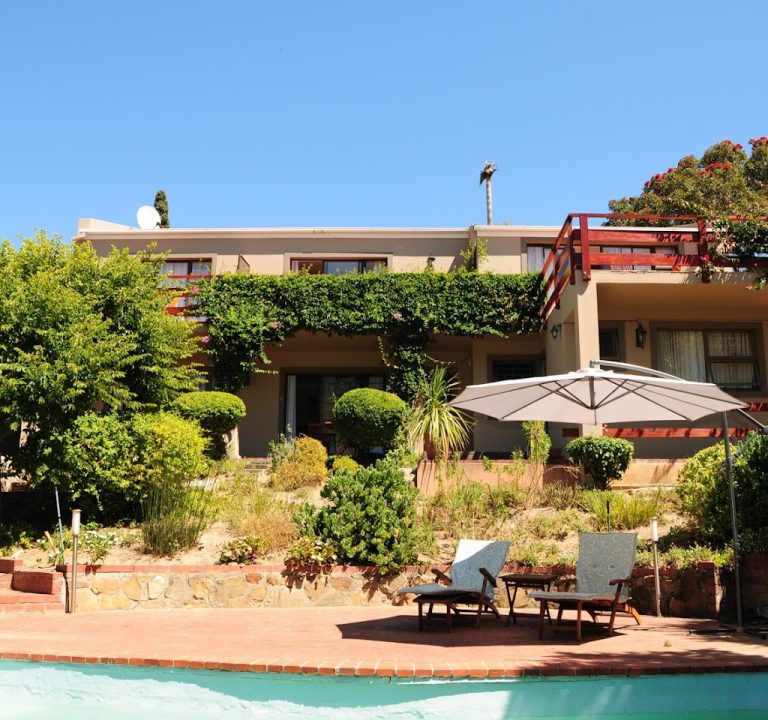
For travellers seeking a boutique stay with a strong sense of place, a guesthouse such as Art Gallery Guesthouse can offer a cosy base in a central neighbourhood, combining personalised service with convenient access to major sights and eateries. While every property is unique, you can expect thoughtful touches, a friendly hosts’ guidance on local routes, and a compact footprint that makes city exploration easy without a long commute.
Practical tips to enhance your planning and stay:
- Book accommodations with clear photos and recent reviews, especially for essential comforts like hot water, reliable Wi‑Fi and secure parking.
- Choose a base that reduces daily travel time to your planned activities, or consider a central hub with easy transfers for day trips.
- Check every listing for accessibility details if you have mobility considerations, including lift access or ground-floor rooms.
- Pack layers for variable weather, sun protection for outdoor days, and adapters for South Africa’s electrical outlets.
- Plan dining ahead where possible, and be prepared for a mix of casual eateries and more formal venues depending on your itinerary.
Cape Town rewards careful planning with a balance of comfortable stays, striking scenery and a diverse array of experiences. By selecting the right neighbourhood, prioritising practical amenities, and keeping an eye on transport options, you can craft a memorable visit that blends outdoor adventures with relaxed evenings, all while discovering the city’s distinctive hospitality and culinary warmth.