Accommodation and Experiences in Polokwane, Limpopo: Where to Stay and What to Do
Polokwane, the provincial capital of Limpopo, offers a convenient base for exploring the region’s landscapes, wildlife heritage, and vibrant cultural scene. When planning a stay, consider which neighbourhoods suit your pace and interests. The city centre is convenient for first‑timers, with easy access to shops, eateries and transport links. Suburbs a short drive away can provide quieter stays and easier parking, while areas closer to game reserves or nature reserves offer faster access to outdoors and day trips.
Booking strategically helps maximise value and comfort. Look for properties with clear on‑site parking, easy access to major roads, and proximity to the attractions you plan to visit. If you’re relying on a rental car, check whether the accommodation provides secure parking or nearby public parking. For travellers who prefer strolling to sightseeing, choose locations near pedestrian-friendly streets or local markets. For business or longer stays, a serviced apartment or a small hotel with kitchen facilities can be a practical choice.
Typical amenities to look for include reliable Wi‑Fi, air conditioning or fans (Polokwane can be warm in the warmer months), laundry facilities, and a good, comfortable bed. Some guests value a pool for downtime after day trips, while others prioritise a hearty breakfast or on‑site dining options. If you’re planning to explore beyond the city, ask about shuttle services, tour desk assistance, or partnerships with local guides. A comfortable workspace or quiet lounge can also be useful for those combining work with leisure.
Transport in Polokwane is relatively straightforward. The city is well connected by roads to other Limpopo destinations, and car rental is common for visitors who want flexibility. Public transport options exist but are less comprehensive than in larger cities, so most travellers find a car or organised tours convenient. If you plan to venture into nearby wildlife areas or scenic spots, factor in travel time and road conditions, especially during the rainy season when routes can be more challenging.
The best time to visit Polokwane depends on your priorities. Dry, cooler months from May to September are pleasant for outdoor activities and exploring local markets, with wildlife drives often comfortable due to clearer conditions. The wet season brings lush landscapes and afternoon showers, which can add drama to sunsets and provide different photographic opportunities. For those seeking cultural experiences, plan your stay to coincide with local markets, crafts fairs, or community events, which add colour and insight into the Limpopo region.
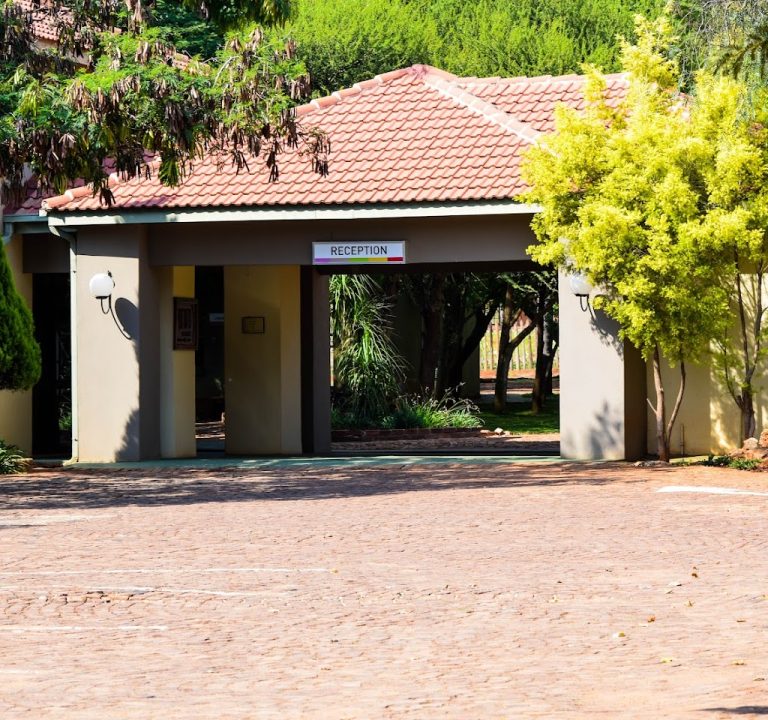
When planning a stay, consider how long you want to linger in Polokwane before venturing further into Limpopo. If it’s your base for exploring the surrounding nature reserves, add at least one full day for a guided wildlife or nature excursion, and schedule time to visit nearby towns or cultural facilities that showcase the region’s heritage. Booking a place with helpful reception staff or a concierge can streamline day trips and provide up‑to‑date local tips and safety information.
Accommodation options in Polokwane range from mid‑range hotels to guesthouses and boutique stays. One example type to consider is a well‑appointed city hotel with a gallery or on‑site gallery space, which can offer a quiet atmosphere during the day and convenient dining options. Even if not directly named here, such options can combine comfortable rooms with a touch of local art or culture, creating a pleasant backdrop for your visit.
To help you plan, here are some practical tips:
- Book early in peak periods to secure rooms with preferred amenities and parking.
- Ask about breakfast options, parking arrangements, and whether the property offers guided tours or shuttle services.
- Check cancellation policies and whether flexible rates are available in case your plans change.
- Inspect the room for cleanliness, lighting, and adequate power outlets for charging devices.
- Plan for a mix of restaurant experiences, from local eateries to more formal dining, and budget time to explore markets for fresh produce and crafts.
Polokwane offers a range of dining options, from leafy cafés to casual bistros and traditional South African cuisines. Dining experiences can be complemented by exploring local markets and informal eateries where you can sample regional flavours in a relaxed setting. For broader meals or special occasions, many hotels and guesthouses partner with nearby restaurants or offer in‑house dining with seasonal menus. If you are exploring the city’s culinary scene, look for venues that source ingredients from the Limpopo region to experience authentic and seasonal flavours.
For sightseeing, you’ll find Polokwane is a gateway to natural beauty and cultural experiences. While the city itself offers parks, plazas, and galleries, it also serves as a convenient starting point for day trips to nature reserves, viewpoints, and wildlife destinations within a short drive. To plan your itinerary, consult local visitor information resources and consider a mix of wildlife, nature, and cultural stops to create a well-rounded stay. Useful starting points for planning include official tourism pages and regional guides, which can provide practical tips, maps, and ideas for short and longer excursions.
If you want to browse options and plan ahead, you can visit the Polokwane area’s tourism resources or the websites of individual hotels or guesthouses. A well‑chosen base in Polokwane can balance restful accommodation with easy access to the region’s landscapes, markets, and cultural scenes, making your Limpopo visit comfortable, engaging, and memorable.