Where to stay and what to do in Polokwane, Limpopo
Polokwane, the provincial capital of Limpopo, offers a welcoming mix of self‑catering retreats, guesthouses, hotels and lodges that suit ranges of travellers—from families seeking space to couples chasing a quiet city break near nature. The city centre acts as a convenient hub, while surrounding suburbs and countryside pockets provide calmer, scenic options. When planning a stay, consider how you want to start your days, how much driving you’re prepared to do, and what kind of setting helps you unwind after a day of exploring the region.
Self‑catering and longer stays shine in well‑equipped properties that offer kitchen facilities, a private entrance and parking. Look for plenty of natural light, comfortable sleeping arrangements, reliable wi‑fi, and thoughtful touches like programmable heating or fans for seasonal comfort. If you’re travelling with children, a property with a secure garden or a fenced area can make evenings easier. For business travellers or digital nomads, check for a dedicated workspace or a quiet corner with a strong signal and accessible power outlets.
Areas to consider include the city centre, which provides easy access to restaurants, markets and the main transport links. Suburban pockets close to major roads often offer a calmer atmosphere while still remaining within a short drive of shops and attractions. If you’re chasing a leafy, residential feel with a hint of countryside, look to established suburbs that balance privacy with convenience. Discuss access to street parking or on‑site spaces with the host, particularly if you plan to hire a vehicle and want easy loading and unloading in the mornings.
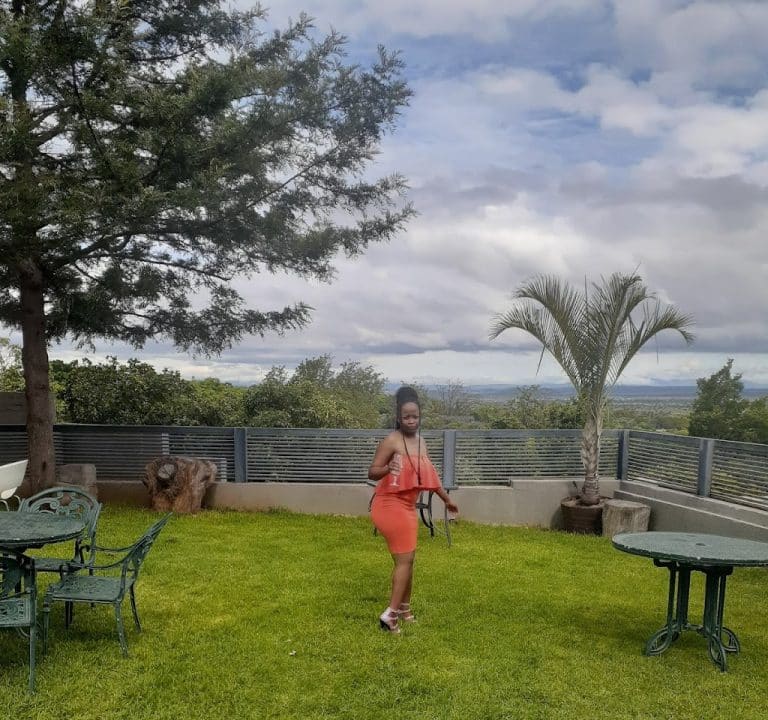
Typical amenities you might encounter include air conditioning or fans for warm Limpopo days, secure parking, en‑suite bathrooms, and dependable house‑keeping. Some self‑catering options supply a fully equipped kitchen with a stove, fridge and microwave, plus cooking essentials and a welcome basic pantry. Laundry facilities, outdoor spaces such as verandas or braai/bbq areas, and shared pools or gardens are common draws for families or groups looking to spend more time outside.
When it comes to transport, a car is often the most practical way to explore Polokwane and neighbouring natural areas. The town is served by a regional airport nearby, and a road network connects you to wildlife reserves, game lodges and rural communities within a short drive. If you’re not comfortable driving, check whether your accommodation offers shuttle services or can arrange trusted local transport. Public taxis and ride‑hailing apps operate in the area, but planning ahead is wise, especially for early starts or late returns after dinner.
The best time to visit Polokwane depends on your plans. The dry season, typically from May to September, is popular for outdoor activities and wildlife viewing in nearby reserves, with cooler mornings and pleasant daytime temperatures. The wet season (roughly November to March) brings warmth and tropical showers; it can be lush and vibrant, ideal for photography and enjoying the region’s gardens, but some outdoor experiences may be weather‑dependent. If you plan a game drive or a day trip to the surrounding nature reserves, you may want to align dates with calmer weather and shorter driving times between sights.
Across accommodation types, a few practical tips help you get the most from your stay. Always confirm “self‑catering” details—whether shared kitchens are fully equipped or if you’ll be relying on a private kitchenette. Check entry and check‑out times, the availability of late check‑in if you’re arriving after hours, and any rules about guests’ use of common spaces. For safety, inquire about secure access, on‑site staff, and nearby medical facilities. Budget travellers may prioritise simplicity and proximity to markets or eateries, while others might seek a more upscale or boutique experience with personalised recommendations from hosts.
Beyond the room, Polokwane offers a range of attractions and experiences that can enrich your stay without overwhelming your itinerary. Cultural and historic sites, local markets, and art galleries provide insight into Limpopo’s heritage. In the surrounding area, nature reserves, birding spots, and scenic drives offer opportunities to observe wildlife and enjoy the outdoors. Dining options range from casual eateries to more refined restaurants where you can sample local flavours and regional produce, often with a friendly, welcoming vibe. For planning, it’s helpful to reserve restaurant bookings during peak periods and to check current hours, as schedules can vary with public holidays and seasonal changes.
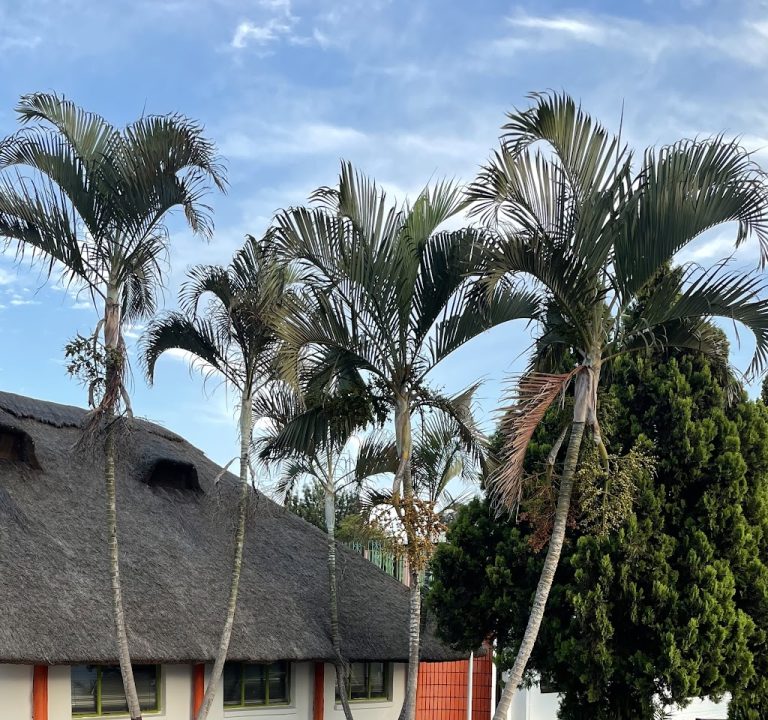
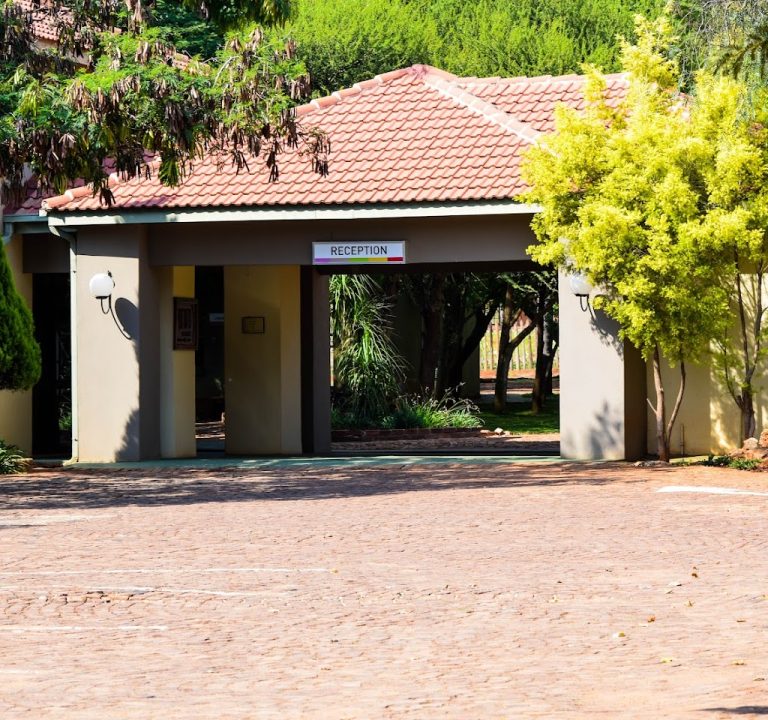
One example of a self‑catering option you might encounter in Polokwane is Dalmada retreat, a property described as a self‑catering accommodation in the Dalmada area. If you’re curious about staying there, you can view the listing online for photos, layout, and availability. Always review recent guest feedback to gauge consistency in cleanliness, communication, and overall comfort, which are the essentials of a smooth stay.
- Plan by area: city centre for convenience, suburban pockets for space and quiet, or outskirts for proximity to nature.
- Check amenities: kitchen facilities, parking, wi‑fi, climate control, and outdoor spaces.
- Consider transport needs: car hire versus public transport, and proximity to an airport or major roads.
- Assess timing: dry season for outdoor activities; wet season for lush landscapes and birding.
- Read the small print: check check‑in/out times, pet policies, and any shared facilities.
For more planning ideas and practical tips, visiting the official tourism pages for Polokwane and Limpopo can be helpful, as they often offer up‑to‑date information on attractions, seasonal highlights, and suggested itineraries. A well‑chosen home base, coupled with thoughtful planning, makes Polokwane a comfortable gateway to Limpopo’s nature, culture and cuisine.