Khaya Kite and Yoga House is a Hostel establishment in Cape Town, Western Cape, South Africa
Khaya Kite & Yoga Guesthouse: A Home by the Beach for Adventurers and Seekers of Calm
Khaya Kite & Yoga Guesthouse sits in Bloubergstrand, Cape Town, offering a sense of home for travellers who want quick access to the city’s famed outdoor playgrounds. From the outset, the property emphasises a welcoming, homely atmosphere—originating from a traveller’s dream turned into a place built with care. The setting is ideal for those who want to wake up near the coast and dive straight into kitesurfing, yoga, or a curated line-up of beachside and neighbourhood adventures.
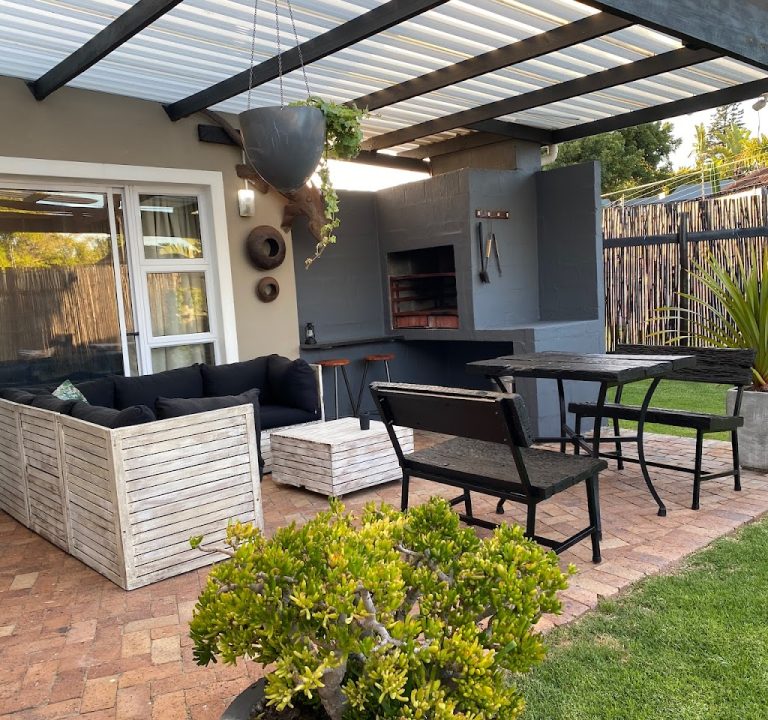
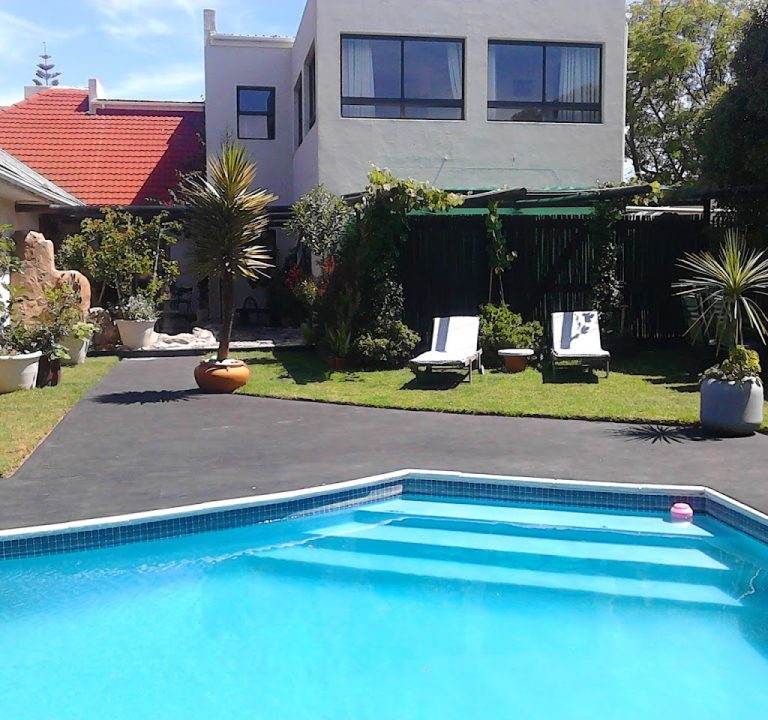
Located just a short stroll from the beach, bars, restaurants, and convenience spots, Khaya Kite & Yoga House positions guests at the heart of Blouberg’s coastal energy. The daily rhythm often balances active pursuits with spaces to unwind: a welcoming pool, a wood-fired hot tub, and a yoga garden form the core of the outdoor relaxation and wellness offerings. In addition, the guesthouse hosts a range of social and practical amenities designed for modern travellers, including workspaces with included Wi-Fi, a well equipped kitchen, and practical features such as kite storage and outdoor showers for post-surf convenience.
The accommodation offers a versatile mix of rooms to suit different travel styles. Shared dormitory options make travel more affordable while fostering sociable experiences among backpackers. For those seeking more privacy, private double rooms with ensuite bathrooms are available, as well as twin rooms with two single beds for friends who prefer to share. Each room is described as having its own character, with themed interiors designed to evoke different moods and moments from “the Sky” to the “Ocean” and “Sunrise colours”—an imaginative nod to Cape Town’s spectacular natural backdrop.
Beyond sleeping quarters, Khaya Kite & Yoga is framed as a hub of activity and community. The site highlights its connections with a kite surfing school, underlining its appeal to water sports enthusiasts who want reliable access to gear handling and beginner instruction. The on-site set-up supports both equipment management and practical needs—wash and dry facilities for gear, fenced and secure surroundings, and a focus on safety and convenience in a gated property described as a secure base near the action of Bloubergstrand.
Food and social experiences are a daily feature, with a wood-fired pizza oven and barbecue facilities offering opportunities for shared dinners and informal evenings. The hostel also runs regular events and outings, helping guests connect with fellow travellers and explore the local scene together. The kitchen and communal spaces are designed to support flexible stays, whether one’s itinerary centres on kite sessions, yoga practice, or day trips along the Cape coastline.
Yoga at Khaya Kite & Yoga is presented as a regular, welcoming practice suitable for all levels. The garden serves as a focal point for daily sessions, with mornings often devoted to 30–60 minutes of yoga. Availability varies with the presence of instructors, but a donation-based approach and accessible classes—paired with mats provided—encourage participation for guests of all abilities. When teachers are not available, guided sessions can still proceed via video, preserving the continuity of practise for guests who prioritise wellness during their travels.
For those seeking local highlights beyond the hostel’s doors, the Blouberg area is celebrated as a surfing and kite surfing destination, with the nearby Kite Beach offering consistent winds and expansive space for big-air and wave riders. The property notes proximity to the vibrant bar and dining scene in the area, and it makes reference to adjacent activities such as table-top wine tasting and other Cape Town adventures, including hiking and scenic viewpoints. Guests can rely on Khaya’s insider knowledge to point them toward trails, local events, and hidden gems in the surrounding region.
Practical pointers for potential guests include the convenience of being in a transport-friendly location with easy access to the beach, dining, and nightlife, alongside the opportunity to participate in an array of water sports, wellness activities, and social occasions. The guesthouse emphasises a friendly, family-like atmosphere and a sense of community, inviting guests to settle in and feel “at home” while exploring one of Cape Town’s most dynamic coastal districts. For bookings, interested travellers can reach Khaya Kite & Yoga Guesthouse through its official website, where room types, availability, and travel tips are presented for those planning a stay that blends sport, yoga, and social experiences.
Booking and travel tips:
- Take advantage of the short walk to Blouberg Beach for sunrise kite sessions and sunset strolls along the shore.
- Consider a mix of dormitory and private rooms to balance social moments with privacy after long days outdoors.
- Check the yoga schedule in advance and participate in the garden sessions to maximise relaxation and well-being during the stay.
- Explore the on-site gatherings and arrange group activities through the hostel’s events and outings offerings.
- Use Khaya’s local knowledge to plan trips to nearby wine regions or Table Mountain’s iconic viewpoints for a full Cape Town experience.
- Refer to the official website for the latest information on room availability and facilities, avoiding the need for direct contact details in advance of a booking.
With its blend of coastal proximity, social atmosphere, wellness offerings, and practical facilities, Khaya Kite & Yoga Guesthouse provides a distinctive base for travellers seeking both adventure and a sense of belonging in Cape Town’s Western Cape.
Website: Khaya Kite & Yoga Guesthouse
Cape Town
Western Cape
7441
South Africa


Cape Town: accommodation, attractions, dining and practical planning for a memorable stay
Cape Town is a city of contrasts: sparkling coastal suburbs, dramatic mountains, vibrant townships and a food and wine culture that rewards slow exploration. When planning a stay, it’s worth balancing a comfortable base with easy access to the city’s many highlights. Popular areas for visitors include the Atlantic Seaboard, Bloubergstrand and Table Mountain’s foothills for sea views and outdoor adventures, plus the city centre for museums, markets and nightlife. A thoughtfully located stay can cut transit time, maximise daylight hours and allow for more immersive experiences across Cape Town and its surrounds.
For accommodation, consider what matters most to you. If you want quick beach access and a relaxed, surf-friendly vibe, look to Bloubergstrand or the Atlantic Seaboard. If you prefer a central base with easy access to museums, eateries and nightlife, the inner city and nearby Green Point offer convenient public transport links and walkable streets. For a quieter, leafy setting with mountain vistas, you might choose a guesthouse or boutique hotel on the slopes of Table Mountain or in neighbourhoods just off the city bowl. In each case, read recent guest reviews to confirm consistency in service, cleanliness and the helpfulness of staff, which can make or break a stay in a new city.
When booking, consider room type and amenities. Shared dormitories can offer excellent value for solo travellers and opportunities to meet fellow explorers, while en-suite rooms provide privacy after a day of hiking, shark cage diving, or kite surfing. Look for practical features such as secure parking orGate access, reliable Wi‑Fi for work or streaming, well-equipped kitchens or self-catering facilities, and spaces for socialising as well as quiet corners to relax. Properties with outdoor spaces, swimming pools, or gardens can be particularly appealing in Cape Town’s warm months, while heating or cosy blankets are worth noting for cooler evenings in shoulder seasons.
transport is a key planning element. Cape Town’s geography means some areas are better accessed by car, while others are well-suited to walking or short rides. If you rely on public transport, stay within reach of MyCiTi bus routes or the Metro Rail network, and be mindful of travel times during peak hours. Many guesthouses and hostels, including those with a social or wellness ethos, advertise staff who can help arrange airport transfers or guided day trips. For kite surfers, wind-based adventures or hikes, ask your host about gear storage, early starts, and suggested local operators or instructors who prioritise safety and environmental responsibility.
Typical amenities you may encounter include Wi‑Fi throughout, well-equipped kitchens, laundry facilities, secure parking, and outdoor spaces such as pools, gardens or braai areas. Some places offer additional touches like yoga spaces, meditation corners, or close-proximity access to beaches, trails, or parks. If you’re drawn to specific activities—such as kitesurfing, yoga or wine tastings—check whether accommodation partners with local operators to provide bundled experiences or insider recommendations. The gregarious, outdoors-friendly spirit of Cape Town is alive in many guesthouses that host communal meals, sunset drinks or guided group outings, which can be a highlight of a stay.
Best time to visit Cape Town varies by activity. The summer months (roughly November to March) bring warm, sunny days ideal for beachside days, hiking and outdoor markets. Spring and autumn offer cooler temperatures that are comfortable for mountain walks and city sightseeing, with fewer crowds than peak summer. Winter (June to August) can be wetter and windier, yet this is when the city’s culinary scene shines and whale-watching opportunities along the coastline may be more accessible from certain vantage points. Regardless of season, plan for varied weather and pack versatile layers, sun protection for outdoor days, and comfortable footwear for uneven terrain.
In terms of experiences, Cape Town’s attractions span natural wonders and cultural landmarks. Iconic views from vantage points near the city bowl, a ride up Table Mountain or a scenic harbour cruise can frame your visit. Nearby coastal towns offer galleries, markets and seafood eateries, while Cape Town’s wine routes provide day trips to renowned Stellenbosch and Constantia to enjoy landscapes and tasting rooms. Dining ranges from casual beachside eateries to refined bistros emphasising fresh, locally sourced ingredients. When researching restaurants, look for places with lively hospitality and a sense of place, rather than solely following landmark names. Many visitor-friendly establishments welcome walk-ins, yet booking ahead, especially in peak seasons, helps secure a preferable table and time slots.
Example accommodation that captures the spirit of Cape Town’s casual, community-oriented stays is a kitesurfing-themed guesthouse in Bloubergstrand that combines dormitory living with private rooms, a pool, a garden and social spaces. Such places often offer convenient access to the beach, kite-surfing schools, yoga sessions in the mornings, and communal dinners or pizza nights. They can be a practical choice for travellers seeking a relaxed, welcoming atmosphere and the chance to meet fellow explorers while enjoying local routines and activities. If you’re curious about staying in a similar setting, you can explore the property’s official website for details on room options, facilities and organised events.
- Prepare a rough itinerary with a mix of must-see sights, day trips and downtime for relaxation.
- Check the neighbourhood’s vibe, safety features and accessibility to transit when choosing a base.
- Incorporate a balance of outdoor adventures, cultural experiences and culinary discoveries.
- Book ahead for popular activities and consider guided options for a smoother experience.
For more information and inspiration, you may wish to visit Cape Town’s tourism resources and individual accommodation sites. For a sample stay with a lifestyle geared toward kitesurfing, yoga and socialising, you could explore options like Khaya Kite & Yoga Guesthouse, which emphasises a home-from-home feel, proximity to the beach, and a range of on-site and partner activities. Their official website provides details on facilities and activities that reflect Cape Town’s adventurous, outdoor-minded spirit. Remember to check travel advisories, seasonal advisories and local guidelines when planning your itinerary, and enjoy the preview of the city’s rich offerings before you arrive.
Sorry, no records were found. Please adjust your search criteria and try again.
Sorry, unable to load the Maps API.
Why Claim Your Listing?
Claiming your listing on the B&B Finder directory website is a valuable opportunity for business owners. Here are five reasons why you should consider claiming your listings:
Control Over Business Information: By claiming their listing, business owners can ensure that all the information presented is accurate and up-to-date. This includes details such as contact information, address, pricing, and available services or amenities. Accurate information helps prevent customer confusion and improves overall satisfaction.
Enhance the Listing: Once a listing is claimed, owners can enhance it by adding more comprehensive information and rich media, like high-quality photos and videos. These additions can make the listing more attractive and engaging to potential customers, thereby increasing the likelihood of bookings.
Marketing Opportunities: Claiming a listing can also open up additional marketing opportunities. Owners may be able to participate in promotional campaigns, special offers, and other marketing activities organized by the directory. This can increase visibility and attract more customers to the business.