Cape Town: Accommodation, Attractions and Practical Planning for Visitors
Cape Town, framed by the iconic Table Mountain and bounded by the Atlantic Ocean, offers a diverse range of places to stay that suit every traveller’s pace and budget. From stylish self-catering apartments along the Atlantic Seaboard to intimate B&Bs in the Old Town, the city’s accommodation is as varied as its neighbourhoods. When planning a stay, consider how you want to balance ocean views, easy access to sights, and the type of experience you seek—cosmopolitan buzz, quiet garden settings, or close proximity to beaches and hiking trails.
For many visitors, a stay in the Atlantic Seaboard area (including Bloubergstrand, Sea Point, and Camps Bay) provides superb sea views, easy beach access, and a lively dining scene within a short stroll. The City Bowl offers convenient access to museums, markets, and Table Mountain funiculars, with a richness of dining for all budgets. The V&A Waterfront combines waterfront walks with access to ferries and organised tours, while leafy Constantia and the emerging winelands further afield are perfect for day trips and hillside retreats. When choosing accommodation, think about transport needs, the likelihood of long drives on mountain roads, and how much time you plan to spend outside your lodging each day.
To help you compare options, here is a quick overview of areas to consider:
- Atlantic Seaboard (Bloubergstrand, Sea Point, Bantry Bay, Camps Bay): sea views, beaches, and convenient dining; often with easy access to coastal walks and bicycle routes.
- City Bowl and Green Point: central access to major sights, parks, and a wide range of eateries; great for walkers and those who rely on public transport.
- V&A Waterfront and De Waterkant: modern apartments and hotel suites with harbour ambience and tour options, plus direct access to cruises and boat trips.
- Constantia and Constantia Valley: tranquil, garden-focused stays near wine farms and nature trails, suited to slower-pased holidays.
- Franschhoek and Stellenbosch (nearby winelands): classic winery hospitality with gourmet dining and scenic countryside day trips.
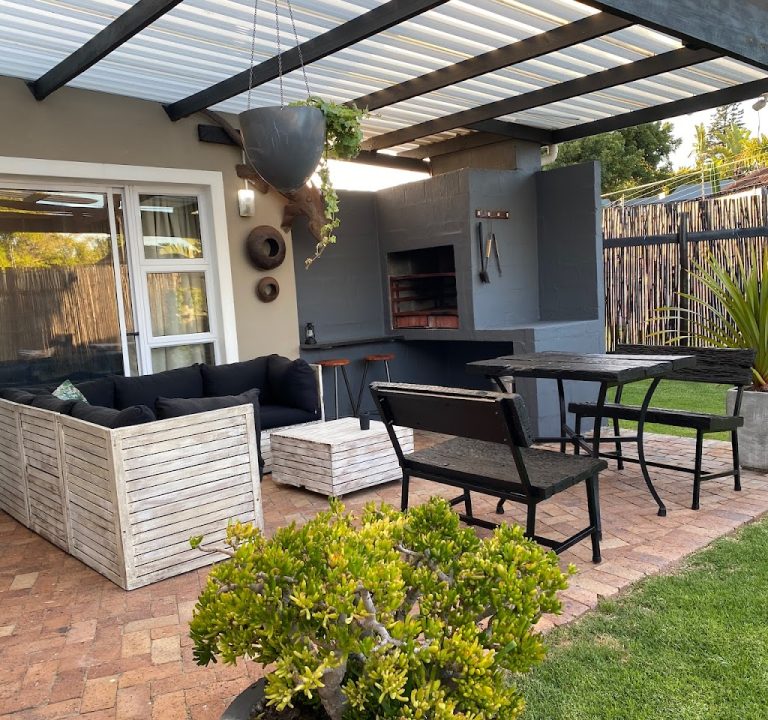
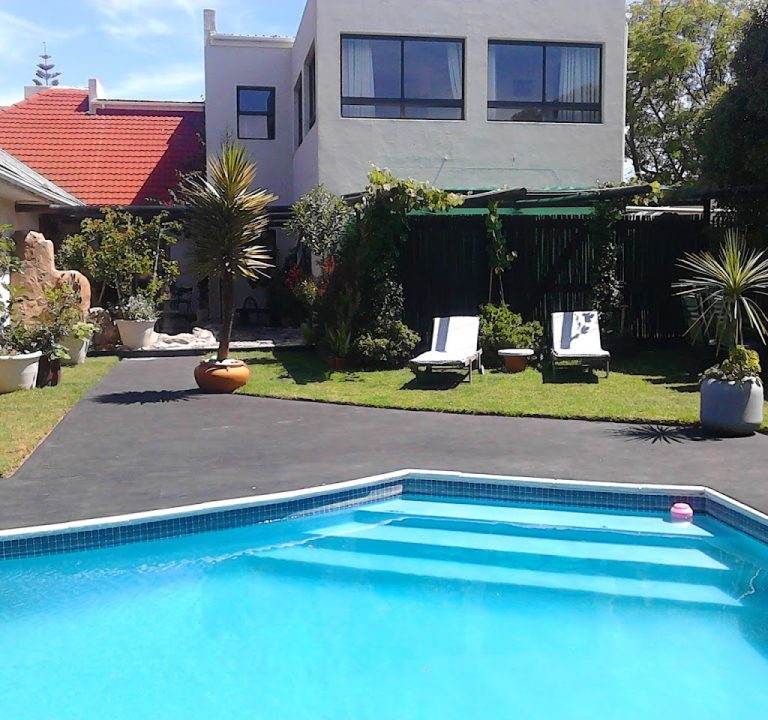
When booking, look for essential amenities that support a comfortable stay. A well-equipped kitchen or kitchenette is invaluable for self-catering holidays, along with reliable Wi-Fi, secure parking, and quiet bedrooms. If you plan to cook or entertain, check for an oven, hob, fridge, and cookware. Some self-catering options offer supplementary conveniences such as laundry facilities or outdoor spaces for al fresco meals. If you prefer a hotel-style stay, seek properties with on-site reception, daily housekeeping options, and a fitness or pool area. It is also helpful to confirm access to public transport stops or parking spaces, particularly in busier districts where street parking can be limited.
Transport in Cape Town is varied. The MyCiTi bus network covers many tourist hotspots, though timetables and routes can change; a rural or wine-country excursion often benefits from a guided tour or a hired car. If you intend to explore the Cape Peninsula, the winelands, or nature reserves, a rental vehicle offers flexibility. For short stays, proximity to the city centre with walkable access to cafés and markets can save transport time and add to the experience.
The best time to visit Cape Town stretches from late spring to early autumn, typically September to April, when the days are longer and often sunnier. However, it is wise to be prepared for quickly changing mountain weather and the possibility of windy conditions along the coastline. Shoulder seasons can be excellent for travellers seeking fewer crowds and still pleasant sightseeing weather. If you are planning outdoor activities, such as hikes or harbour cruises, check local forecast updates and plan for contingency time in case weather shifts.
Practical tips to keep in mind:
- Pack layers to accommodate rapid changes in temperature, especially near the coast and on Table Mountain.
- Water safety and conservation may be relevant in arid seasons; carry a refillable bottle and stay hydrated during hikes and long days outdoors.
- Credit cards are widely accepted, but carrying a small amount of cash for markets and smaller vendors is useful.
- Respect local guidelines and safety notices, particularly in urban areas and at peak tourist spots; choose well-lit, populated routes late in the day.
- Plan restaurant visits with reservations for popular neighbourhoods, and explore a range of places from casual bayside dining to more refined evenings.
In terms of local experiences, Cape Town offers a blend of nature, culture, and gastronomy. Iconic natural sights such as Table Mountain and the Cape Peninsula are complemented by coastal walks, markets, and scenic drives. At the Cape’s many winelands, you can enjoy tastings, garden lunches, and panoramic vineyard views that pair beautifully with relaxed evenings back in your accommodation. For a flavour of city life, wander around the historic districts to discover street art, craft markets, and a diverse culinary scene that reflects South Africa’s rich cultural tapestry.
Francor Blouberg Beach, a name that may feature in self-catering listings, points to a location known for its beach access and relaxed family-friendly atmosphere. Self-catering stays in this area can offer practical conveniences such as fully equipped kitchens and private outdoor spaces, making it a comfortable base for several days’ exploration of the peninsula, the Atlantic coast, and nearby beaches. When selecting your stay, compare the distance to the nearest beach access, grocery stores, and transit options, as these will shape your daily rhythm and how you spend your time, whether you are seeking long beach days, lively evenings, or tranquil mornings with a sea-view breakfast.
For further inspiration and practical planning, you may wish to visit official tourism resources and reputable travel guides online, which provide current opening hours, seasonal events, and suggested itineraries. A well-chosen combination of accommodation and a balanced plan of activities can help you experience the best of Cape Town’s landscapes, hospitality, and culinary offerings without overloading a single day.