Accommodation and Experiences in Lephalale, Limpopo: Planning Your Stay and Making the Most of It
Lephalale, in the Limpopo province, offers a gateway to vast landscapes, wildlife encounters and relaxed, traveller-friendly accommodation. Whether you are seeking a comfortable guesthouse, a country lodge, or a small boutique hotel, the area provides options suited to different budgets and travel priorities. When planning a stay, consider the surrounding areas such as the town centre of Lephalale itself, the more rural outskirts, and access routes to nature reserves and water bodies. Each setting has a distinct atmosphere: convenient urban access, quiet country ambience, and easy doors-to-safari style experiences.
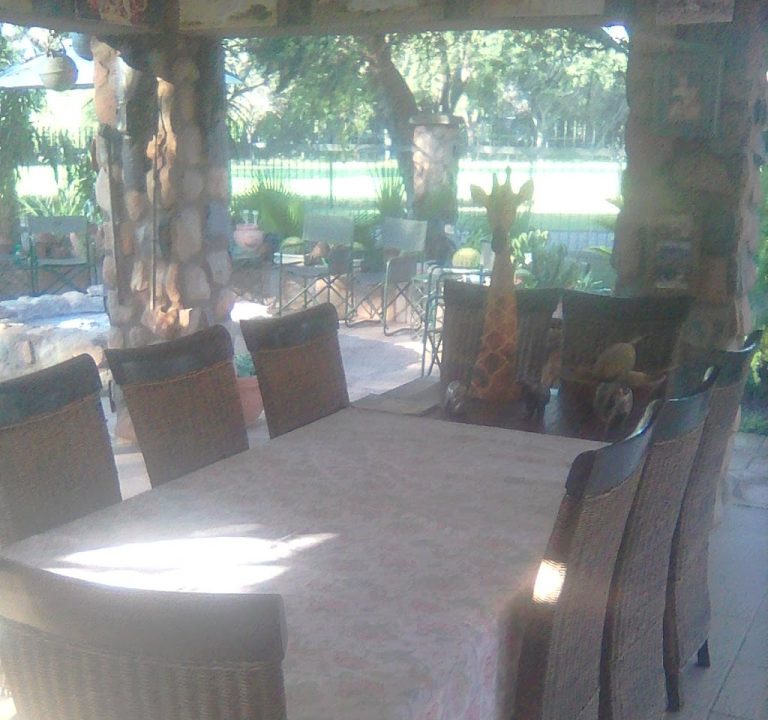
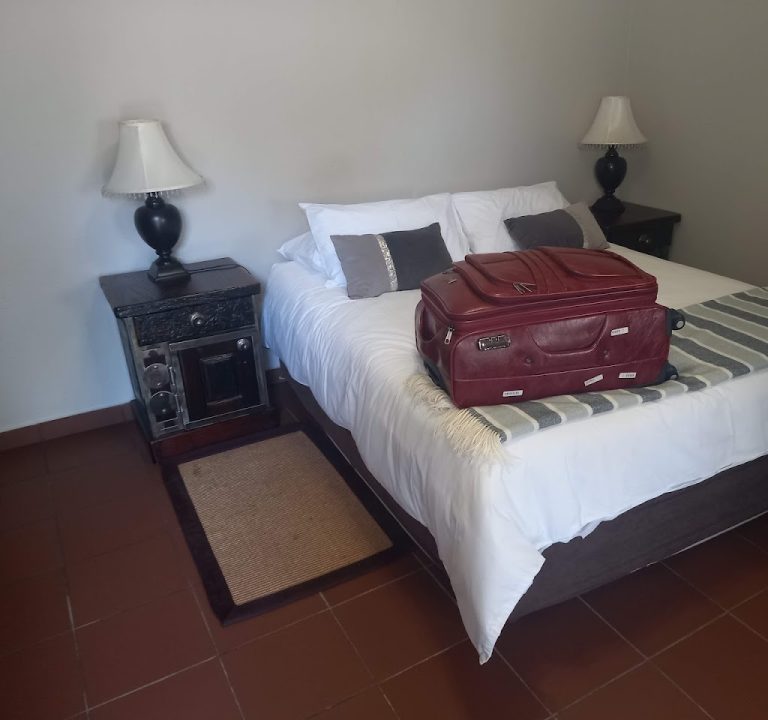
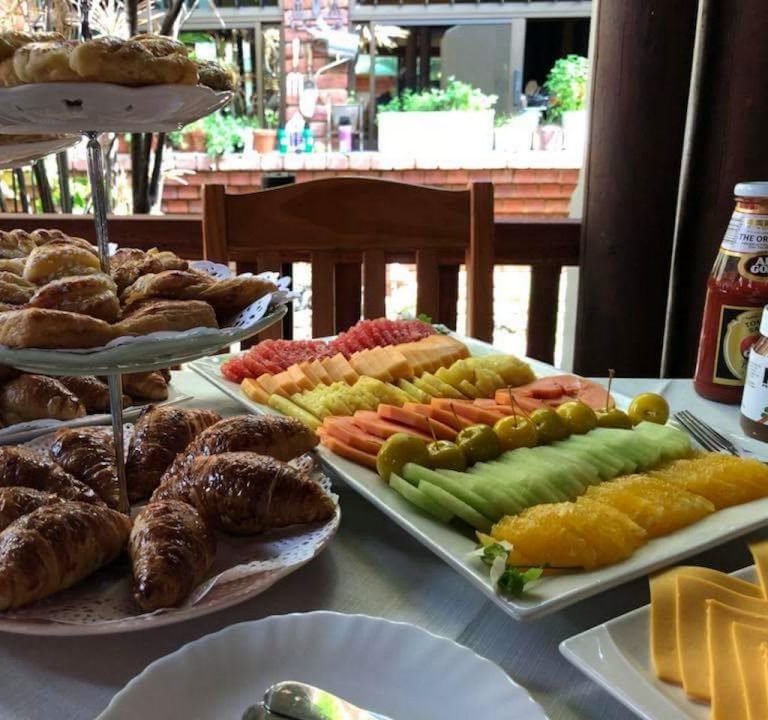
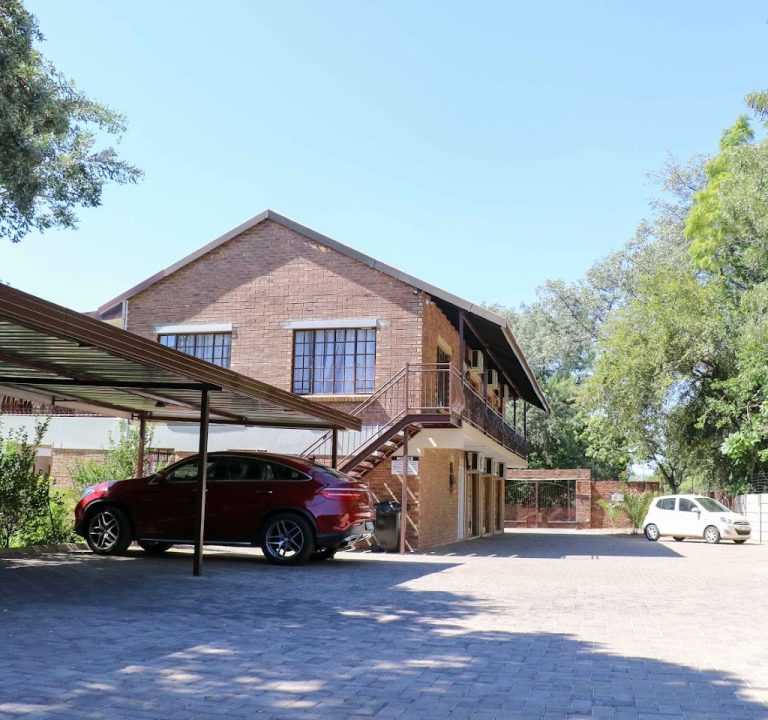
For those seeking a specific type of stay, Khatse guest lodge serves as a representative example of the kinds of lodgings you may encounter in the region. Guest lodges and small hotels in Lephalale commonly blend practical comfort with a touch of local character, offering a welcoming base after day trips or game-viewing activities. When evaluating accommodation, look for clear information on room configurations, on-site dining options (whether breakfast is included or available à la carte), secure parking, and the possibility of arranging guided excursions or safaris through the property.
Areas to consider when choosing where to stay include:
- Lephalale town centre: convenient for shops, services and short drives to nearby reserves.
- Outlying lodges or guesthouses: typically more tranquil, with larger plots, wildlife-friendly grounds, and direct access to rural scenery.
- Waterfront or damside settings: often feature scenic views and opportunities for waterside activities such as boating or fishing.
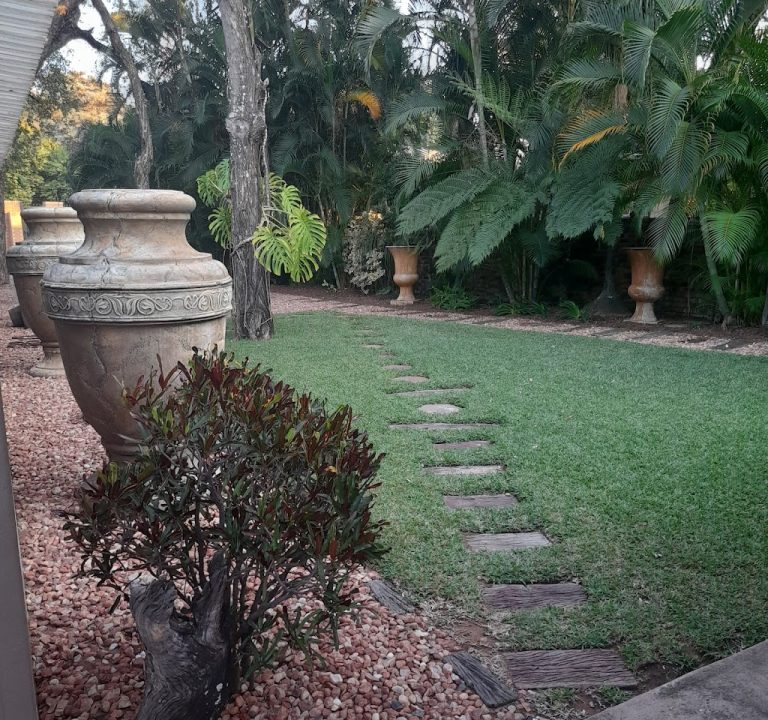
Typical amenities you might encounter include air‑conditioning or fans for the warmer months, en-suite bathrooms, reliable Wi‑Fi, and in-room refreshments. Many properties in this region also offer outdoor spaces, such as verandas or gardens, where guests can relax after an excursion. Dining options vary; some lodges provide full-board or bed-and-breakfast formats, while others operate as self-catering or offer a la carte meals in an on-site restaurant. If a kitchen is important to you, filter for properties that advertise self-catering facilities or nearby groceries in walking distance.
Transport is a practical consideration. Lephalale is best explored with a hire car or private transfer, giving you the flexibility to reach nature reserves, viewpoints, and rural communities at your own pace. Road conditions outside the main towns can be variable, so a four‑wheel‑drive or a reliable two‑wheel drive with high clearance is worth considering if you plan to venture onto gravel roads. If you are arriving from major hubs in the region, expect a drive from Polokwane or Johannesburg to take several hours, and always check access routes in advance, especially after heavy rains.
When planning the timing of your visit, the best time to travel depends on what you want to experience. The winter dry season (roughly May to September) often offers clearer wildlife viewing, with animals gathering around water sources and less dense vegetation. July and August can be cooler in the evenings, so pack layers. The summer wet season (roughly November to March) brings warmer days and occasional heavy downpours; this period can be lush and bird-rich, but a bit less predictable for wildlife viewing and road conditions. Consider your tolerance for heat and travel comfort when choosing dates, and check local event calendars for any community markets or regional celebrations that may add a cultural dimension to your stay.
Planning practicalities can help you make the most of your trip. Book accommodation in advance during peak travel periods and confirm what is included in your rate. If you are keen on guided experiences, ask your host or lodge about half- or full-day safaris, birding walks, cultural visits, or fishing trips. Inquire about child-friendly options if you are travelling with family, and whether the property can arrange airport transfers or recommended shuttle services. Safety considerations for rural and natural areas are important: keep valuables secure, follow local guidance on wildlife encounters, and carry a light level of cash for smaller purchases or tips where cards may not be accepted in remote shops or markets.
Attractions and activities in the broader Lephalale area are typically nature- and culture-focused. You can expect wildlife viewing on guided or self-guided excursions, visits to local communities to learn about traditional crafts, and opportunities to enjoy lakeside or dam activities. Dining options in the region range from lodge restaurants to casual eateries and eateries offering regional flavours; many visitors enjoy a relaxed meal after a day of exploring. If you prefer to plan ahead, look for places with strong guest reviews noting friendly service, clean rooms, and practical transfer arrangements.
Practical tips to enhance your stay:
- Book from reputable properties with clear policies on refunds and cancellations.
- Ask about on-site amenities (air conditioning, laundry, Wi‑Fi, and a safe place to store valuables).
- Consider a mix: a base in Lephalale town for convenience and a lodge for immersion in the landscape.
- Pack versatile clothing for variable weather—layers for cool evenings and sun protection for daytime activities.
- Respect wildlife and local culture; follow guidance from hosts and guides regarding safety and etiquette.
In summary, Lephalale offers a range of accommodation options that suit travellers seeking comfort, accessibility, and proximity to nature. With thoughtful planning—focusing on location, amenities, transport, and timing—you can craft a rewarding stay that balances relaxation with the adventure of Limpopo’s expansive surroundings. Whether you choose a guest lodge such as Khatse guest lodge or another welcome retreat, you will find laid‑back hospitality and a gateway to the region’s landscapes and experiences.