Accommodation and Things to Do in Lephalale, Limpopo: A Practical Guide for Visitors
Lephalale in Limpopo offers a relaxed base from which to explore the surrounding landscapes, wildlife viewpoints, and the more rural rhythms of South Africa’s Waterberg region. The area is home to an array of lodging options, from intimate guest houses to countryside lodges and self-catering stays, making it possible to tailor a trip to your pace and budget. When planning a stay, consider the vibe you want (quiet retreat, easy access to nature, or a central hub for day trips) and how you’ll move around the region to make the most of your time.
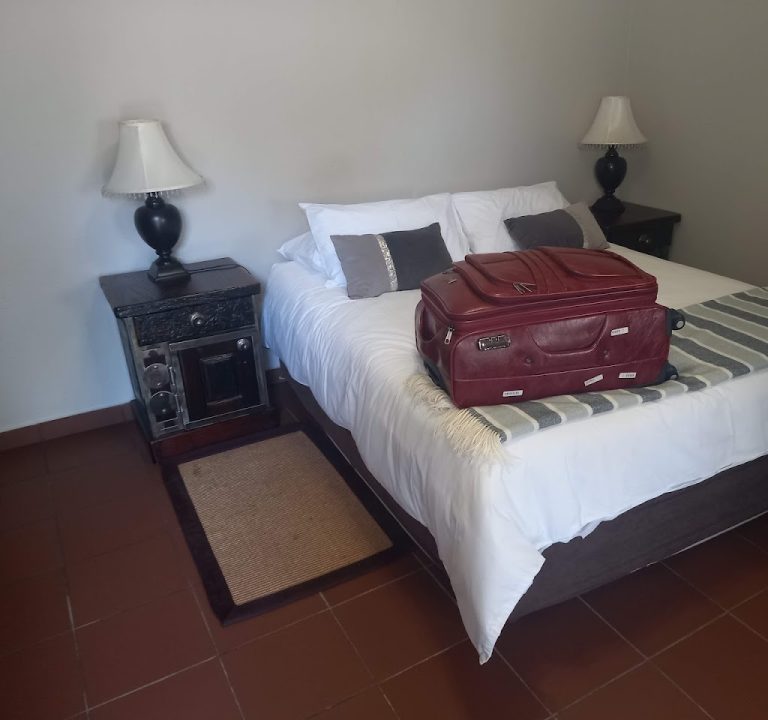
Accommodation options in Lephalale range from traditional guest houses and bed-and-breakfasts to self-contained lodges and rural farm stays. Guest houses such as Boschenhof Guest House provide a more personal, home-from-home atmosphere, often with touches like communal dining or guest lounges. Self-catering units and lodges can offer more independence, especially for families or groups. Look for properties that list clear information about rooms, en-suite facilities, private entrances, parking, and security. If you value a slower pace with hosts who can share tips on the local area, a smaller guest house or B&B can be ideal; if you prefer self-sufficiency, a well-equipped lodge or apartment may suit you better.
Typical amenities to expect or ask about when booking include:
- Air conditioning or effective cooling for hot Limpopo days
- En-suite bathrooms with reliable hot water
- Wi‑Fi, a convenient feature for planning day trips or checking weather
- On-site parking and secure access
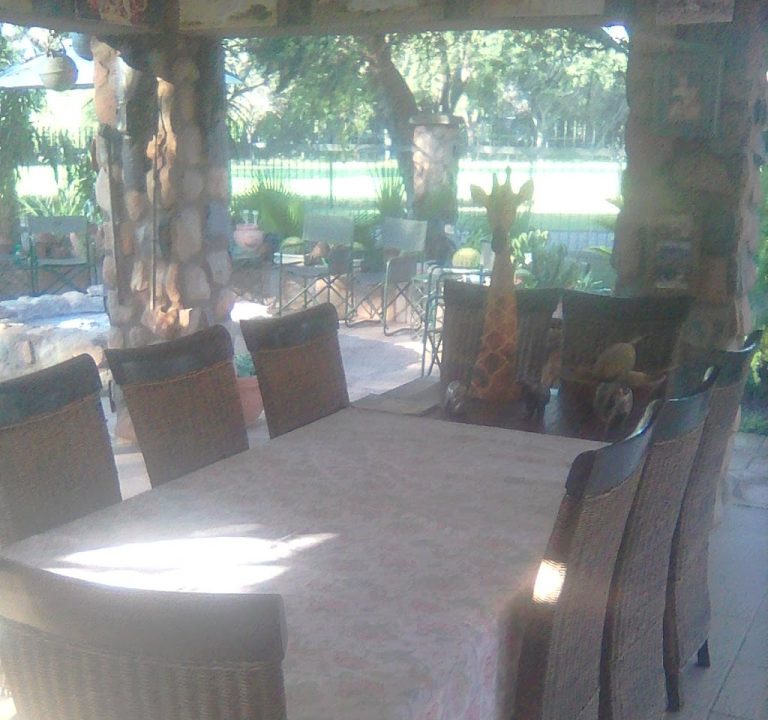
- Dedicated lounges or outdoor spaces, such as patios or verandahs
- Kitchen or kitchenette facilities for self-catering trips
- Housekeeping arrangements and flexible meal options, if available
Key transport considerations include planning for a private vehicle or rental car, which is typically the most convenient way to explore Lephalale and surrounding reserves. Public transport options are limited in rural parts of Limpopo, so check whether your accommodation offers airport transfers or local shuttle services. If you plan long day trips to wildlife-viewing spots or remote viewpoints, a car with good fuel range and reliable tyres is advisable.
Best time to visit Lephalale depends on what you want from your trip. The region experiences a warm climate for much of the year. The dry season, roughly May to September, tends to bring cooler evenings and clearer wildlife sightings, making it ideal for walking safaris and outdoor activities. The wet season, typically from November to March, can bring afternoon showers and lush landscapes, which some travellers enjoy for the colours and added birdlife, though it can disrupt outdoor plans. Consider the risk of power outages or water supply interruptions, which can occur in some seasons, and plan with a backup for essential needs.
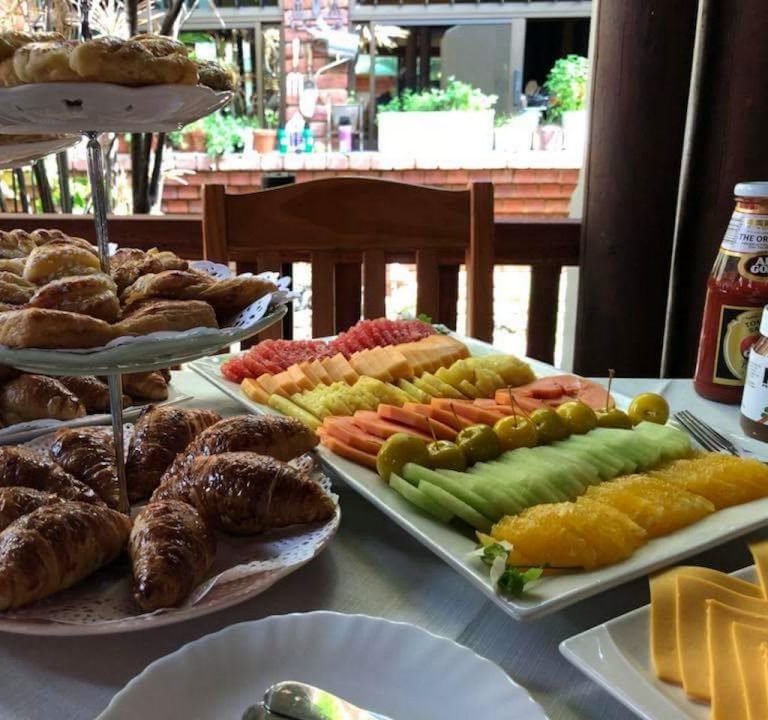
When planning activities, think about how long you want to spend in each setting. Lephalale serves as a gateway to broader wildlife and nature experiences, with opportunities for game viewing, birdwatching, and peaceful hikes in nearby reserves or rural landscapes. You might also find guided excursions or community projects that highlight local culture and nature conservation. For a relaxed itinerary, balance a couple of nature days with quieter time at your accommodation—reading on a shady veranda, enjoying a home-cooked breakfast, or exploring a nearby market or craft stall at a gentle pace.
Practical tips to help you plan a smooth stay:
- Book accommodation well in advance during peak travel periods and school holidays.
- Verify what meals or kitchen facilities are available, especially if you need to plan for children or dietary preferences.
- Check the property’s security provisions and parking arrangements, particularly if you’ll be travelling by car at night.
- Assess activities in the area for the time of year—some reserves may have different access rules or seasonal closures.
- Pack essentials such as sun protection, insect repellent, a light rain layer, and comfortable walking shoes.
- Respect local customs and eco-safety guidelines when visiting wildlife areas or rural communities.
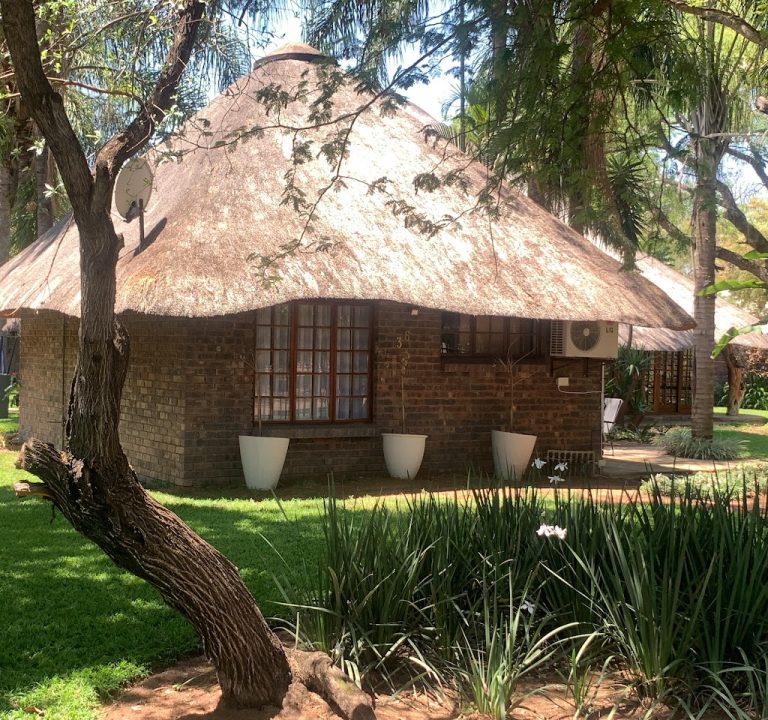
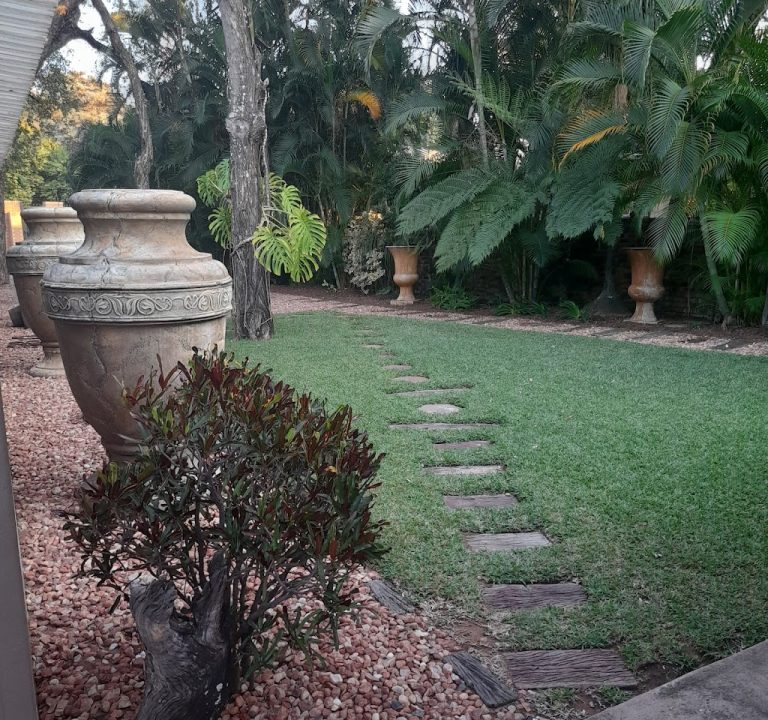
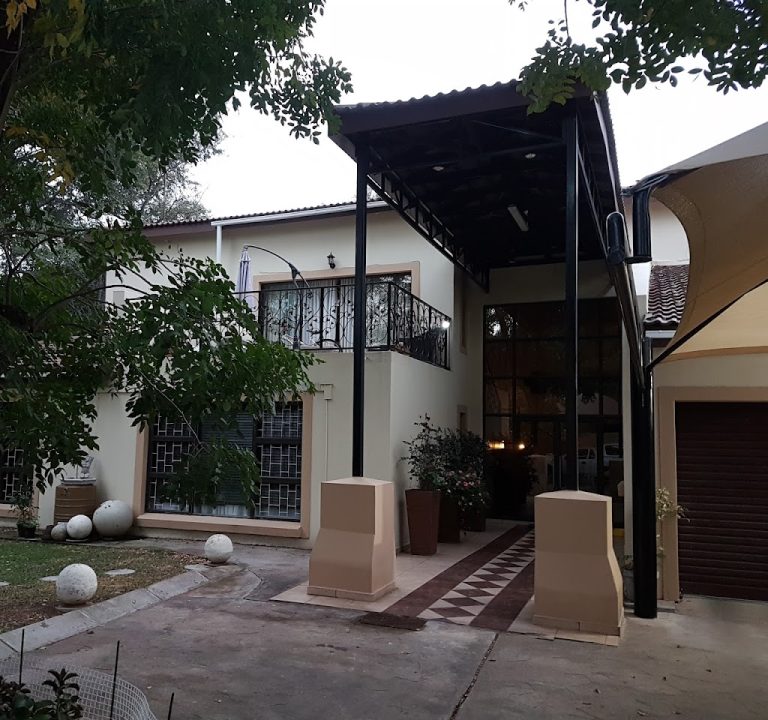
For those seeking a comfortable stay with a convenient base to explore, Boschenhof Guest House stands out as a notable option within Lephalale. It offers a welcoming environment and a position that can help guests access surrounding attractions and natural landscapes. More information can be found through the property's own page at its website: https://boschenhof-guest-house-guest-house.business.site/
Beyond accommodation, Lephalale and its environs offer general attractions in natural settings and relaxed dining experiences. Visitors typically encounter expansive savannah scenery, water bodies that attract birdlife, and cross-country routes that reveal the rural character of Limpopo. While specific establishments and venues may vary, travellers can expect a range of local eateries offering traditional South African fare, along with casual cafés and family-friendly options. When selecting a place to eat or visit, consider whether you prefer straightforward, hearty meals after a day on the road or a more refined dining experience within a guesthouse or lodge setting.
In summary, planning a stay in Lephalale hinges on choosing accommodation that aligns with your pace, securing reliable transport, and building a flexible itinerary that balances nature, rest, and light exploration. With the right base, the region’s open spaces, gentle climates, and warm hospitality offer a satisfying retreat in the heart of Limpopo.