Accommodation and practical planning for a Dolphin Coast stay in KwaZulu-Natal, South Africa
Stretching along the sub-tropical coastline of KwaZulu-Natal, the Dolphin Coast offers a relaxed base for travellers seeking sun, sea and easy access to both beaches and inland attractions. Whether you prefer a boutique guesthouse, a family-friendly lodge, a modern hotel, or a self-catering apartment, there are options to suit a range of budgets and itineraries. The area typically clusters around popular hubs such as Ballito, Salt Rock, and neighbouring coastal villages, each with its own character while remaining within a short drive of the region’s natural highlights.
When planning a stay, consider the different horizons each area offers. Ballito tends to be buzzy, with lively beaches, dining spots and a pedestrian-friendly spine along the coast. Salt Rock and surrounding northern beaches are ideal for those seeking a quieter mood, long seaside walks and a more low-key holiday rhythm. Inland pockets offer easy access to the KwaZulu-Natal countryside, nature reserves and interesting day trips, should you wish to balance sea-time with exploring. If you are travelling with family or a group, look for accommodation with multiple bedrooms or well-configured self-catering spaces to minimise downtime and maximise comfort.
Booking considerations
- Proximity to the beach: A short stroll should put you on the sand, but verify the access points, as some properties have direct, private access while others require a brief road walk.
- Facilities and amenities: Look for reliable air conditioning or ceiling fans, especially during hot summer days; a well-equipped kitchenette or breakfast options can save time and money; and consider on-site parking or secure parking arrangements if you plan to rent a car.
- Family-friendly features: If travelling with children, check for fenced or safe play areas, ease of access, and flexibility with check-in and check-out times.
- Transport links: Durban and surrounding towns are best reached by car, but some branches have easy access to local taxis or rideshare services. If you plan day trips, ensure the property offers convenient routes or shuttle options.
- Flexible cancellation: Travel plans can shift; prioritise places offering reasonable cancellation terms, especially in peak seasons when demand is high.
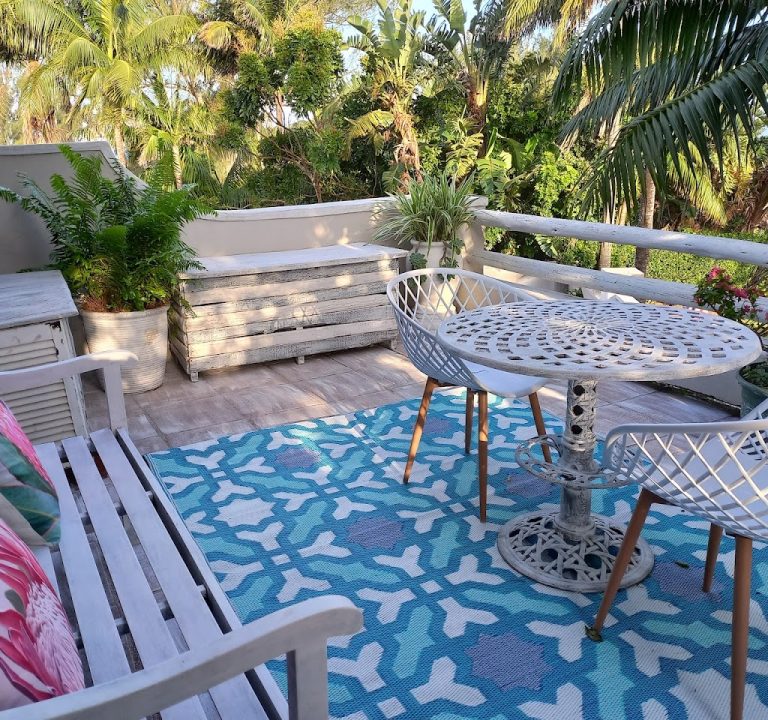
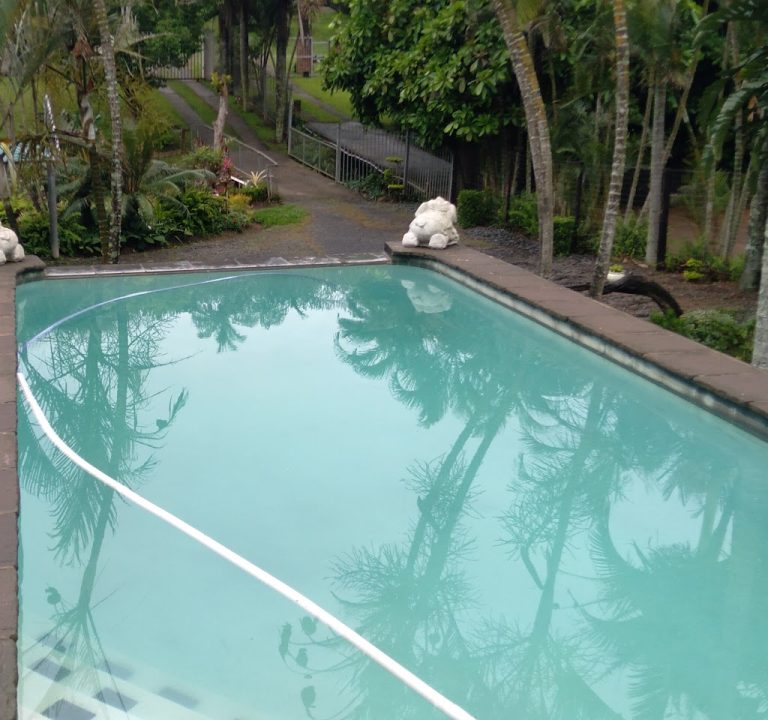
Typical amenities you may encounter include private verandahs or balconies with sea or garden views, communal pools or splash areas, Wi‑Fi, and comfortable living spaces that suit longer stays. Some properties offer additional touches such as braai facilities (barbecue), outdoor dining spaces, and access to well-equipped kitchens. If you value wellbeing facilities, you might find on-site or nearby options for spa treatments or fitness activities, though these are not universal and are more common in larger properties or resorts.
Best time to visit and practical tips
The Dolphin Coast enjoys a subtropical climate with warm summers and mild, sunny winters. Peak sunny spells are typically from late spring to early autumn, making late October to March a popular window for beach days and water-based activities. Winter can still be comfortable for outdoor exploration, with cooler evenings and a different, more relaxed pace. Pack suitable sun protection for daytime hours, light layers for cooler evenings, and footwear suitable for beach walks and rocky coastlines.
Practical planning tips to enhance your stay:
- Plan a flexible itinerary: mix beach days with short drives to hinterland viewpoints, nature reserves and nature trails to balance rhythms and avoid peak-season crowds.
- Restaurant choices: while the Dolphin Coast hosts a range of dining spots—from casual cafes to more refined eateries—it's wise to book ahead during busy periods, especially weekends and school holidays.
- Safety and transport: keep wallets and valuables secure on the beach, and ensure your vehicle is parked in a secure location. A car is the most convenient way to explore the region, though local taxis or rideshares can cover short trips when needed.
- Water activities and tides: learn about local surf and swimming conditions, particularly for those with children. Lifeguards are not present at every swimming spot, so choose guarded beaches where possible and heed local guidance.
- Local culture and nature: the coastal towns offer opportunities to learn about local maritime heritage, conservation efforts and traditional crafts. Consider a guided nature walk or a cultural briefing to enrich your stay.
Choosing a place to stay on the Dolphin Coast is about balancing your preferred pace with access to the sea and nearby experiences. If you focus on areas with easy beach access, family-friendly facilities and straightforward transport, you can craft a restful, well-paced holiday that leaves room for spontaneous discoveries. For a stay anchored in comfort and convenience, look for properties with clear descriptions of rooms, self-catering spaces and practical conveniences, and consider how much time you want to spend lounging by the pool versus exploring the broader KwaZulu-Natal coastline.
For inspiration and up-to-date information on reserve access, beaches, and dining outlets, you can explore regional tourism resources and official visitor guides. Many accommodation providers in the Dolphin Coast maintain their own websites with room layouts, on-site amenities and booking policies, which can help you compare options quickly.