Accommodation and Experiences along the Dolphin Coast, KwaZulu-Natal
The Dolphin Coast of KwaZulu-Natal offers a wide range of places to stay, from self‑catering villas to boutique B&Bs and family-friendly lodges. With miles of sandy beaches, palm-studded headlands and rolling greens nearby, planning a stay here can be as relaxing as the coastline itself. When choosing where to base your visit, consider the main clusters of towns along the coast—from the popular beach towns to quieter residential areas—each with its own character and access to different activities.
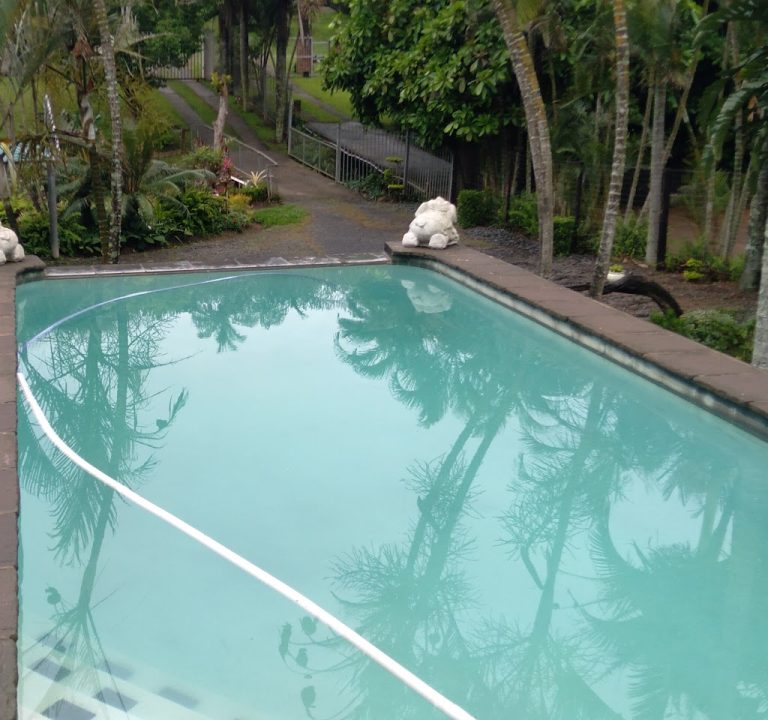
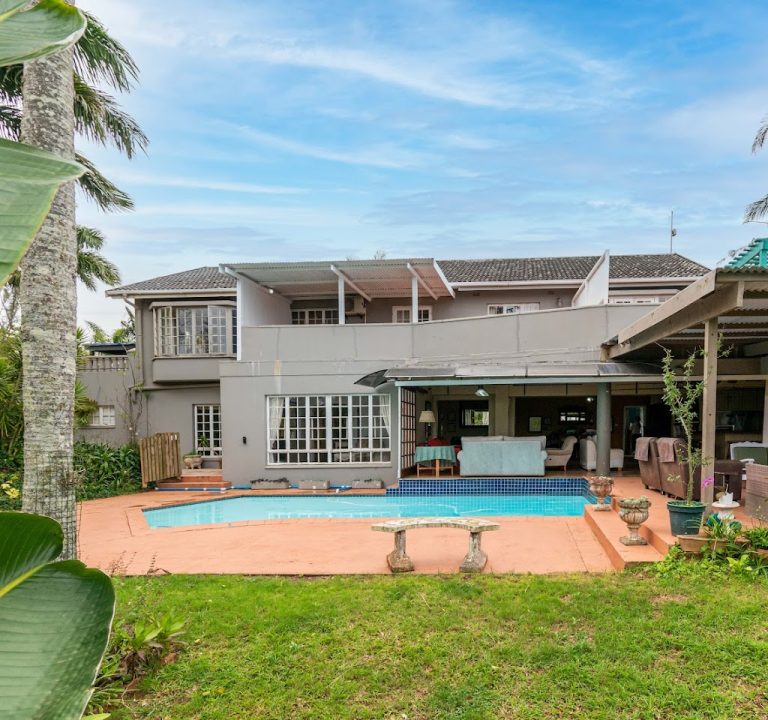
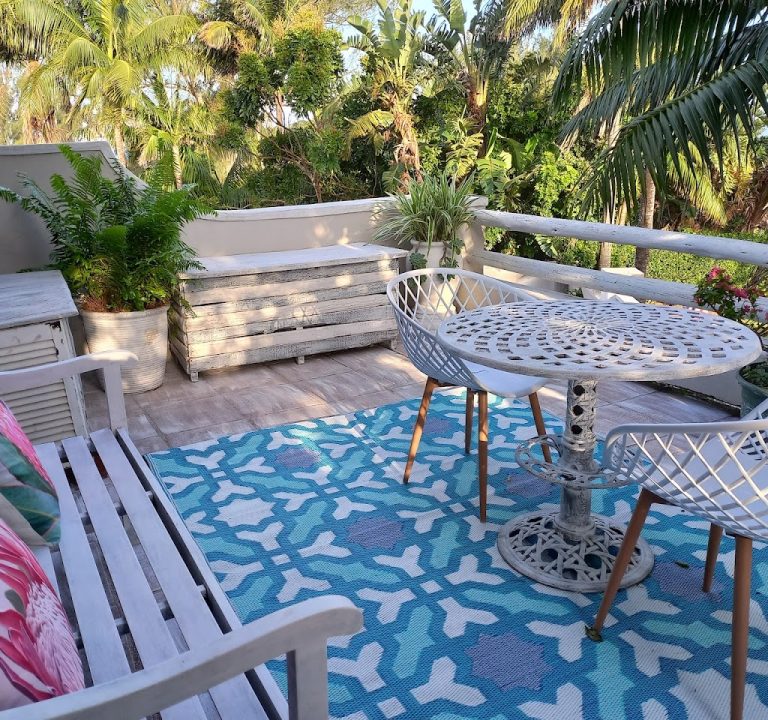
Self‑catering villas and holiday homes are a popular choice on the Dolphin Coast, especially for families and groups who want the convenience of home comforts, a private pool, and a kitchen. The Villa Salt Rock is one example of a self‑catering option that can offer a private, well‑equipped space with easy beach access. When booking a self‑catering stay, look for essential amenities such as a well‑equipped kitchen, laundry facilities, secure parking, reliable wi‑fi, and clear access to outdoor space. A private balcony or terrace, a communal pool, and direct beach access can be real advantages for longer stays.n
Boutique guesthouses and small lodges provide a more intimate experience, often with personalised service and breakfast options. These properties can be ideal for travellers who want a comfortable base with a friendly atmosphere and insider tips on local beaches, viewpoints, and eateries. If you prefer a sense of place, opt for places that reflect the coastal environment—simple décor, natural materials, and easy access to outdoor living spaces are common features in this part of KwaZulu‑Natal.
When planning, consider the area you’d like to use as a base. Ballito is a well‑known hub with a lively promenade, a range of restaurants, and family‑friendly beaches. Salt Rock offers a quieter, more residential feel, with easy access to long sandy stretches and scenic coastal walks. Simbithi Eco Estate and the surrounding coastline provide a tranquil backdrop if a more secluded stay is desired, while Umhlanga Rocks and its cosmopolitan buzz are a short drive away for high‑quality dining and shopping. If you’re seeking golf or nature trails, look for properties near the local courses or nature reserves that offer straightforward access to morning strolls or sunset treks.
Typical amenities you’ll encounter in Dolphin Coast accommodation include fully equipped kitchens or kitchenettes, air‑conditioning or ceiling fans, free parking, and in some cases, private pools or braai/barbecue facilities. Mid‑range and high‑end properties may offer daily or weekly cleaning services, in‑house spas or wellness areas, and secure access gates. When booking, verify connectivity, laundry options, and security arrangements, especially if you are staying in a more secluded or residential area. If you’re travelling with children, check for child‑friendly features such as cots, high chairs, and pool fences, as well as proximity to beaches with lifeguards or safer swimming zones.
Transport on the Dolphin Coast is largely car‑dependent, as many attractions and beaches are spread out across towns. If you’re not driving, consider driver services or local transfers, and check whether your accommodation offers convenient access to major routes or shuttle options to popular beaches. For those arriving by air, King Shaka International Airport is the nearest international hub, with a drive of roughly 20–40 minutes depending on traffic and your exact location on the coast. Public transport is available in pockets, but a car is usually the most convenient way to explore the breadth of beaches, viewpoints, and coastal trails at your own pace.
Best time to visit the Dolphin Coast tends to be year‑round, but your experience can differ by season. The coastal climate is generally mild, with warm summers and cooler, dry winters. May to August can be pleasantly cooler and a good time for long beach walks and wildlife watching, while the summer months bring higher humidity and occasional afternoon showers, typical of KwaZulu‑Natal’s subtropical climate. If you enjoy surf, swimming, and vibrant seaside atmospheres, late spring through autumn often provides the most consistent conditions. For quieter beaches and a focus on hiking or nature drives, shoulder seasons can be particularly appealing.
Practical tips to help you plan a stress‑free stay:
- Book early in peak periods (schools holidays and long weekends) to secure your preferred area and accommodation type.
- Choose your base based on access to beaches you want to spend time on and proximity to restaurants, markets, and nature trails.
- When staying in self‑catering properties, check what is supplied (linen, kitchen basics, cleaning products) so you can plan accordingly.
- Renting a car gives you the freedom to explore the coastline at your own pace, including scenic coastal walks and inland reserves.
- Look for properties with clear safety features, such as secure parking and perimeter lighting, especially in quieter residential pockets.
Attractions and experiences in the broader Dolphin Coast area tend to focus on outdoor enjoyment and coastal culture. Expect long stretches of safe beaches for family days, opportunities for dolphin sightings from vantage points along the shore, and nature trails through nearby reserves and coastal scrub. Dining options along the coast emphasise fresh seafood, light, sunny meals, and casual, alfresco settings that suit the relaxed coastal lifestyle. For a well‑rounded visit, balance beach days with a few gentle hikes, a scenic drive, and a relaxed evening sampling local cuisine in family‑run eateries or modern coastal restaurants.
For further planning, consult official tourism resources and local visitor information pages, which offer current details on accommodations, beaches, safety guidelines and seasonal events. You can explore broader KwaZulu‑Natal tourism information online for up‑to‑date recommendations, maps, and practical travel tips to maximise your Dolphin Coast stay.