Accommodation and attractions in Queenstown, Eastern Cape: planning your stay and making the most of your visit
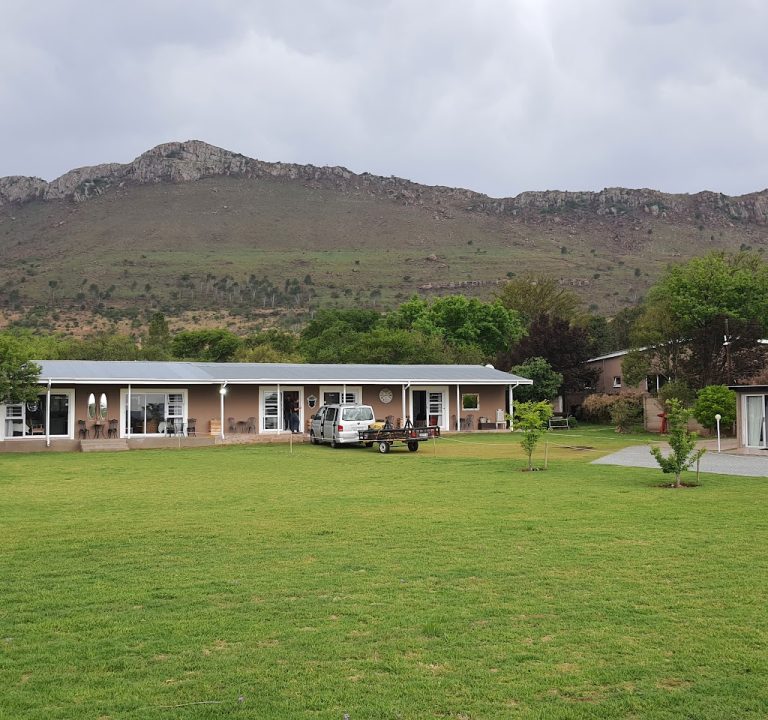
Queenstown in the Eastern Cape offers a relaxed stopover setting and a friendly base for exploring the surrounding highland scenery, agricultural landscapes and historic town heritage. When planning a stay, consider the character of different areas, the pace you want, and the type of experience you prefer. Options range from traditional bed & breakfasts and guesthouses to mid-range inns and self-catering cottages, many with a warm, personalised touch that suits travellers seeking a more intimate atmosphere than a larger hotel chain.
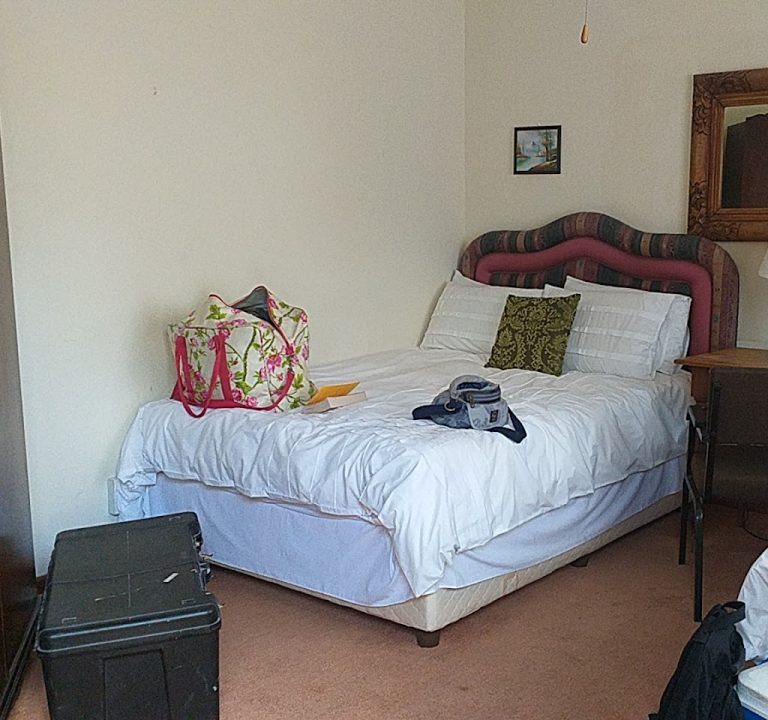
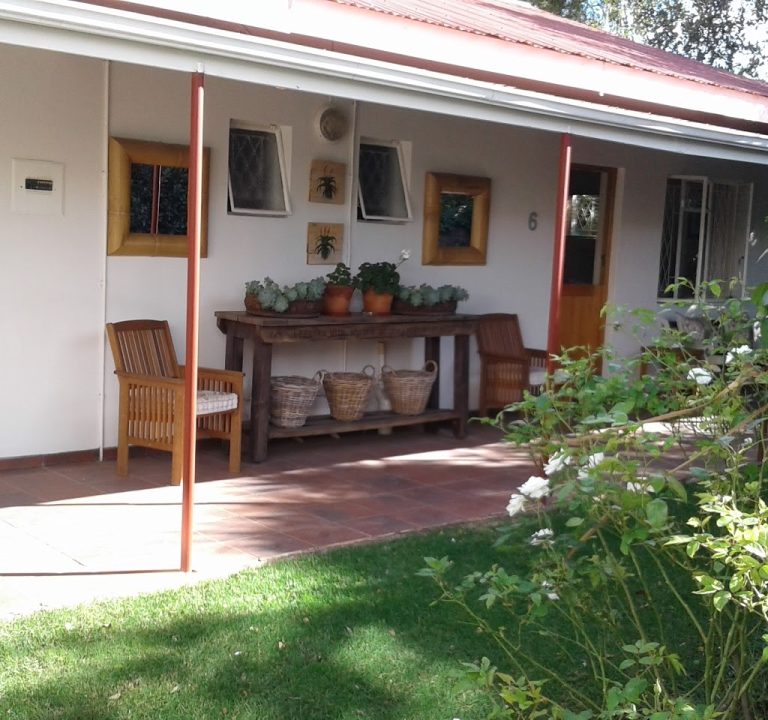
Where to stay matters as much as what you do. The town centre puts you within easy reach of shops, cafés and markets, while hillside or riverside pockets can offer quieter mornings, panoramic views and more space. If you value early starts, proximity to key routes for day trips, or a view over rolling farmland, look for accommodation described as elevated or secluded. Conversely, if you want convenient access to restaurants and a short stroll to local attractions, a central location can be ideal. Kelbricks Bed & Breakfast is one example of a traditional option that emphasises warm hospitality and a central, walkable location. Always check recent guest reviews for notes on breakfast quality, parking arrangements and quiet hours, especially if you’re travelling with children or a pet.
When choosing a place to stay, look for the following typical features and amenities:
- Inclusive breakfast options and the flexibility to arrange alternative meals if needed.
- Private or on-site parking, and easy access for travellers with luggage or less mobile guests.
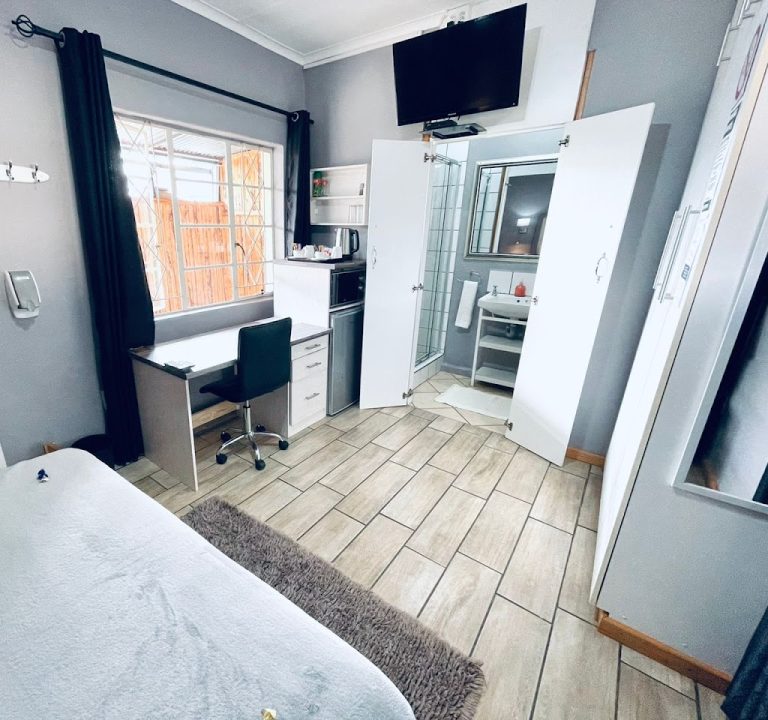
- Wi-Fi access, a comfortable work or reading area, and sufficient power outlets for devices.
- Clean, well-maintained rooms with heating or cooling for seasonal comfort.
- Quiet policies and soundproofing to ensure a restful night, especially important in older properties.
- Clear information on check-in and check-out procedures, baggage storage, and local guidance.
Transport in and around Queenstown centres on road connections, with regional travel to nearby towns and attractions. If you’re driving, confirm parking availability and any access restrictions in popular neighbourhoods. For those relying on public transport, check the proximity of accommodation to bus routes or taxi services, and consider whether a rental car is convenient for day trips to surrounding towns, farms and viewpoints. Some properties can offer guidance on efficient routes and safe parking in busy periods.
Best time to visit Queenstown tends to be influenced by the weather and agricultural calendars. In spring and autumn you’ll enjoy milder temperatures and colourful scenery, making it a pleasant period for outdoor walks, countryside drives and local markets. Summer can bring longer daylight hours and opportunities to explore the wider region, though it may feel hotter in town on mid-day. Winter is cooler and quiet, which some travellers appreciate for relaxed sightseeing and fewer crowds. It’s wise to plan for variable weather and have a flexible schedule so you can enjoy indoor attractions, museums or warm cafés if a shower arrives.
Attractions and activities in and around Queenstown generally revolve around nature, history and local culture. Expect easy strolls along historic streets, vistas over surrounding farmland, and visits to public gardens and museums that illuminate the area’s past. For a relaxed day, consider a scenic drive or a gentle walk in nearby countryside, followed by a meal at a family-friendly restaurant or a cosy bistro. If you plan longer excursions, query your accommodation about recommended day trips, whether that means countryside viewpoints, farm visits, or nearby towns with their own markets and crafts.
Dining and other experiences can range from casual cafés serving light breakfasts and lunches to more substantial menus in family-run restaurants. In Queenstown you’ll typically find places that prioritise fresh, locally sourced ingredients and uncomplicated menus. Look for venues with clear hours, an approachable menu, and a reputation for friendly service. If you have dietary needs, call ahead or review a venue’s online information where possible. For inspiration and practical tips, reputable tourism sites can provide general overviews of the dining scene and suggested neighbourhoods to explore.
Practical planning tips for a smooth stay:
- Book in advance during peak holiday periods to secure preferred rooms and parking arrangements.
- Read recent guest reviews focusing on cleanliness, breakfast consistency, and staff helpfulness.
- Ask about nearby walks, safe driving routes, and local markets or events happening during your stay.
- Pack layers to adapt to changing temperatures, especially if you plan outdoor activities in the mornings and evenings.
- Carry a small amount of local currency for markets and small vendors, though many places accept cards.
For further planning and ideas on what to see and where to eat, you can explore regional tourism resources and official guides at transport and tourism websites. They can provide practical maps, suggested driving routes and general information about attractions in the Queenstown area and the broader Eastern Cape region.
With thoughtful choices about where to stay and how to pace your days, Queenstown offers a welcoming base for a relaxed South African break—whether you’re seeking quiet countryside charm, easy access to local heritage, or a comfortable retreat between day trips to nearby towns and landscapes. Consider booking a traditional bed & breakfast or a small guesthouse to experience warm host hospitality, ease of planning, and a flavour of local life during your visit.