Queenstown, Eastern Cape: Accommodation and Experiences for a Rewarding Stay
Queenstown in the Eastern Cape offers a warm blend of small-town charm and scenic landscapes, with comfortable guesthouses, lodges and hotels that suit a range of travellers. When planning a stay, it’s helpful to think about both where you’ll base yourself and what you’d like to do in the surrounding area. The town itself has a welcoming centre, while the wider region provides rolling hills, farmland and outdoor opportunities that are easily accessed by car or public transport.
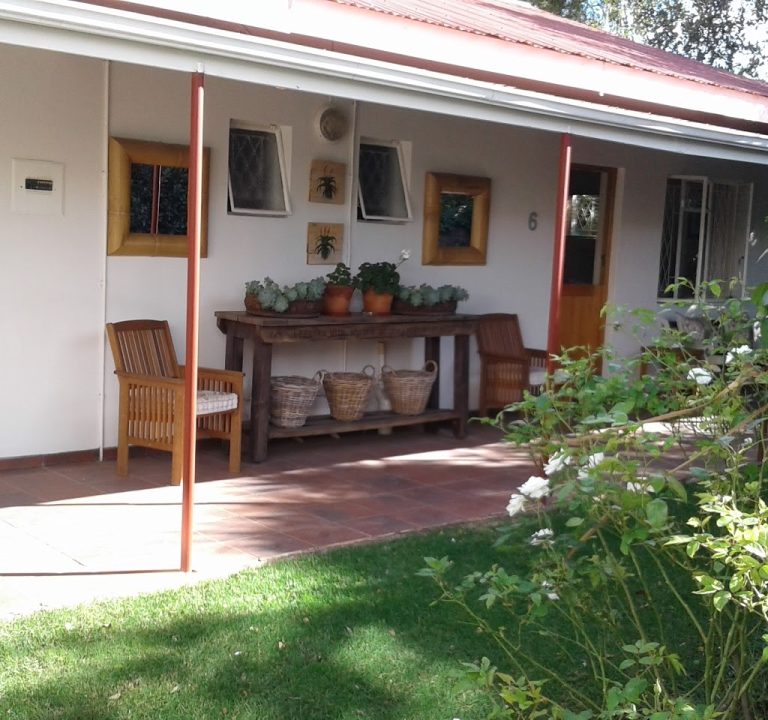
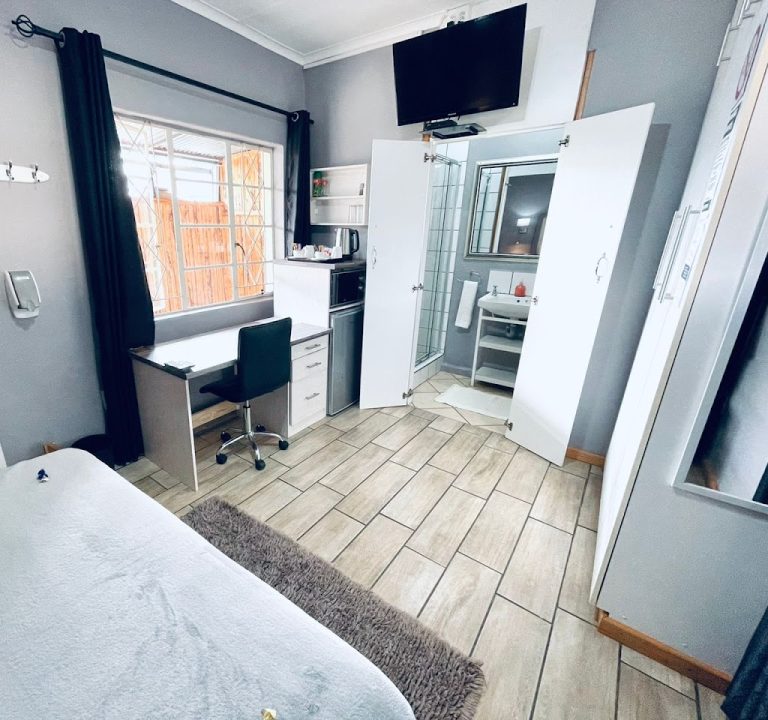
Accommodation options in Queenstown range from traditional guesthouses and B&Bs to modern hotels and country lodges. A guesthouse such as Meerlin Guest House offers a concise example of attainable comfort: typically rooms with private or en-suite facilities, shaded outdoor spaces, and a straightforward breakfast service. Look for properties that clearly state cleaning standards, guest information, and flexible check-in arrangements. If you favour a more intimate stay, a guesthouse with a homely common area, secure parking, and approachable staff can make a big difference in planning your days.
Areas to consider when booking include the town centre, which is convenient for walks to cafes and markets, and quieter residential neighbourhoods on the outskirts where you might enjoy larger plots, garden views and a calmer atmosphere. If you prefer a countryside ambience, seek out lodges or guesthouses slightly removed from the core of the town, yet within easy reach of the main roads and any planned day trips. For longer stays, a self-contained unit with kitchen facilities can be practical, while many guesthouses offer breakfast or even light evening meals to ease dining choices after a day of exploring.
Key features to look for include reliable Wi‑Fi, on-site parking, and clear information about local transport options. If you’re driving, confirm on-site parking or nearby safe parking arrangements. If you’ll rely on taxis or rideshares, check whether the property can assist with arranging transfers or has a shuttle service. Accessibility is worth a check if you have specific needs, so request details on single-storey rooms, wide doorways, and bathroom layouts when needed.
Typical amenities you may encounter include en-suite bathrooms, towels and linens refreshed regularly, tea and coffee facilities, and adequate heating or cooling. In the Eastern Cape climate, heating for cooler evenings or thicker blankets can be a comfort in shoulder seasons. A well-equipped guesthouse will also provide guest information about local eateries, markets, and self-guided walking routes. Safety features such as secure doors, well-lit paths, and clear emergency information are always worth confirming before you arrive.
Transport in the area is approachable with a combination of private car travel and limited public services. A car is often the simplest way to move between the town, surrounding farms, and viewpoints. If you plan to rely on public transport or organised tours, ask your host about nearby pick-up points and approximate travel times to the main sights. For those bringing bicycles or undertaking longer day trips, confirm whether the property can accommodate bike storage or provide guidance on safe routes.
Best time to visit Queenstown depends on what you want from your trip. Spring and autumn offer mild temperatures suitable for countryside walks and outdoor exploration without the peak heat of midsummer. Winters are cooler and can be quiet, which some travellers prefer for a relaxed pace. Consider a stay that lets you catch local markets or cultural events if your visit aligns with community activities. Always check the seasonal weather forecast and plan clothing layers accordingly, as evenings can be cooler than daytime highs.
Practical planning tips for a smooth stay include booking in advance during peak periods and keeping a flexible itinerary. It helps to have a short list of “must-see” attractions as well as a couple of lower-key options in case of weather changes. When researching places to eat, look for venues that offer a mix of hearty local dishes and lighter options, and read recent guest reviews to gauge consistency in service and quality. If you’re staying in a guesthouse, you can often request recommendations for breakfast venues or casual dinners nearby, which can be convenient for evenings when you prefer a low-key night in the town itself.
Attractions in the Queenstown area are best described in general terms: you can expect inviting countryside scenery, opportunities for gentle hikes or scenic drives, and historic or cultural touchpoints that reflect the region’s heritage. For dining, many towns in the region offer friendly eateries where you can sample seasonal ingredients and traditional dishes in a relaxed setting. If you plan activities, consider a mix of outdoor exploring—such as nature walks or viewpoints—and a cultural stroll through gateways that highlight local crafts and market offerings.
Finally, choosing a stay that fits your travel style can enrich your experience. Whether you favour the intimate atmosphere of a guesthouse like Meerlin Guest House or a more contemporary hotel arrangement, prioritise clear communications, approachable hosts, and transparent pricing. A well-planned trip to Queenstown can be an easy blend of comfortable accommodation, scenic explorations, and enjoyable meals—the essentials for a memorable South African stay.