Discover Mokopane: where to stay and what to do in Limpopo
Mokopane, a vibrant town in Limpopo, South Africa, offers a compelling mix of comfortable lodges, guesthouses and self‑catering stays surrounded by nature, grassland and easy access to the Waterberg region. It is well placed for travellers exploring northern Limpopo, with day trips to nearby reserves, cultural sites and traditional markets. Whether you are looking for a relaxed break, a family friendly stay, or a base for wildlife and landscape exploration, Mokopane provides options that suit a range of budgets and itineraries.
When planning a stay, begin by choosing the area that best fits your plans. Mokopane itself has several residential and guest‑friendly neighbourhoods where lodges and B&Bs cluster, often with easy access to the town centre, supermarkets, and dining options. If you are after a more secluded or rural setting, look for lodges or guesthouses on the outskirts that offer larger plots, garden terraces or verandas where you can enjoy birdlife and open skies. For those visiting for wildlife or nature experiences, booking a stay proximate to nature reserves or scenic viewpoints will maximise your time in the outdoors while keeping day trips practical.
What to look for when booking a stay in Mokopane:
- Location relative to your planned activities (nature reserves, markets, or dining hubs).
- Room configuration and privacy, especially for families or groups.
- On‑site amenities such as a pool, Wi‑Fi, a kitchenette or self‑catering facilities, and secure parking.
- Access to information and staff who can assist with local outings, guided walks, or day‑trip planning.
- Safety features, the presence of reliable lighting at night, and clear entry points to the property.
- Child‑ and pet‑friendly policies if travelling with family or animals.
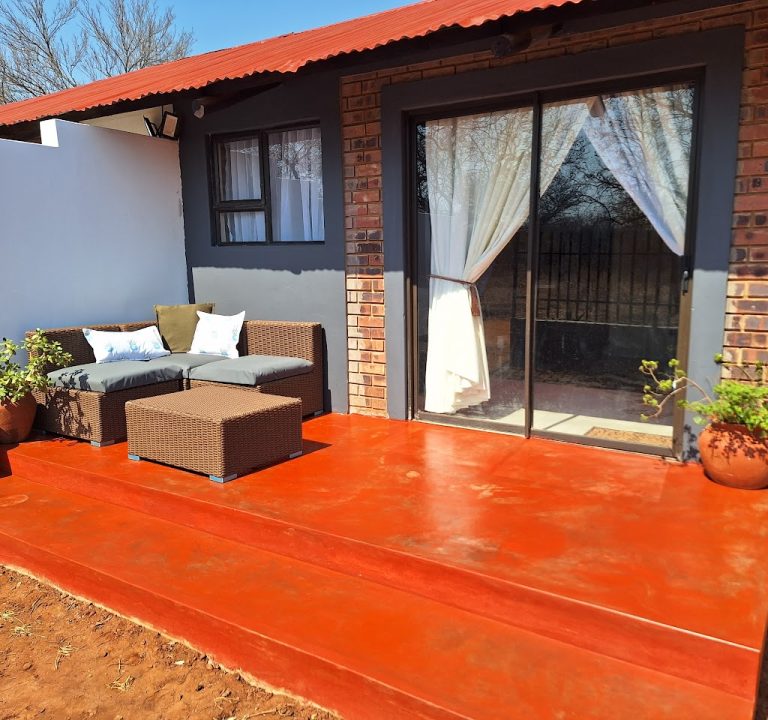
Typical amenities you might encounter include air‑conditioning or fans for the hot Limpopo days, well‑appointed en‑suite bathrooms, linen and daily housekeeping on request, and breakfast options ranging from continental to cooked meals. Some properties offer braai facilities or communal kitchens, which can be very convenient for groups wishing to prepare their own meals after a day of exploring. If you require work‑friendly spaces, look for lounges or quiet work desks, and check mobile data reception in advance, as connectivity can vary by location.
Transport around Mokopane is usually straightforward. The town is accessible by road via national and regional routes, and many lodges provide secure parking or shuttle arrangements. For longer excursions, car hire is common and gives you flexibility to explore the Waterberg and surrounding farmland at your own pace. If you are arriving from further afield, the nearest major hub with an international flight connection is typically Polokwane or Johannesburg, with road or air transfers to Mokopane. When planning your daily outings, consider starting early to avoid mid‑day heat and to maximise wildlife viewing opportunities in cooler hours.
The best time to visit Mokopane depends on what you seek. For wildlife watching and milder daytime temperatures, the cooler months of spring and autumn are ideal. The region can be hot in the peak of summer, so booking a lodge with a pool or shaded outdoor spaces helps. If you are drawn to vibrant markets, cultural events, and garden scenery, the dry season often brings clearer skies and comfortable daytime temperatures. For those who enjoy birdlife and green landscapes, the wetter months can bring lush scenery, though occasional showers may occur. Check local calendars for market days or community festivals to enrich your stay with authentic experiences.
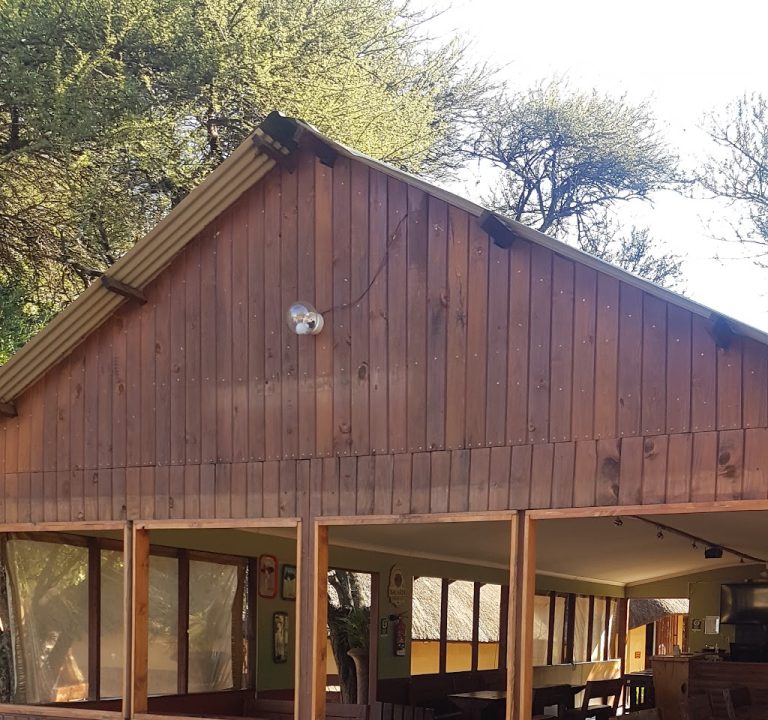
Where to base your stay in Mokopane can influence your daily plans. A central lodge or guesthouse makes dining out convenient, with a range of nearby eateries offering local flavours and comforting favourites. If you prefer a more intimate or rural ambiance, a lodge on the edge of town may deliver quiet evenings and expansive views. In all cases, confirm dining arrangements with your host or property, as some lodges offer on‑site meals or partnerships with nearby restaurants, which can simplify evenings after a busy day.
Activities and experiences in the Mokopane area typically focus on nature, culture and relaxation. You might enjoy guided nature drives or leisurely bush walks if available, with your host able to advise on safe routes and best times of day. Nearby reserves and conservation areas provide opportunities to observe wildlife and birdlife, as well as vantage points for photography. Cultural experiences — such as visits to local craft markets or community projects — offer insights into the region’s heritage and artistry. Dining options range from casual informal eateries to more refined restaurants, where you can sample South African flavours and local produce in a welcoming setting.
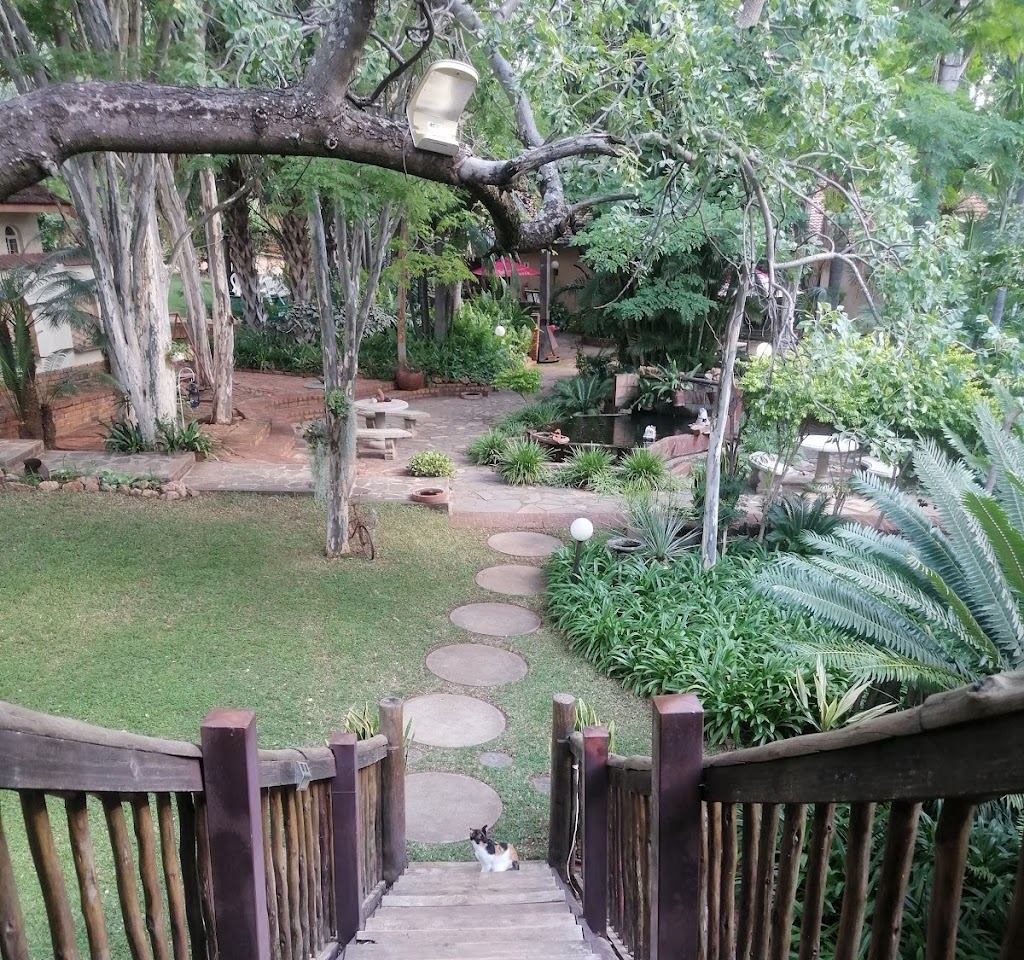
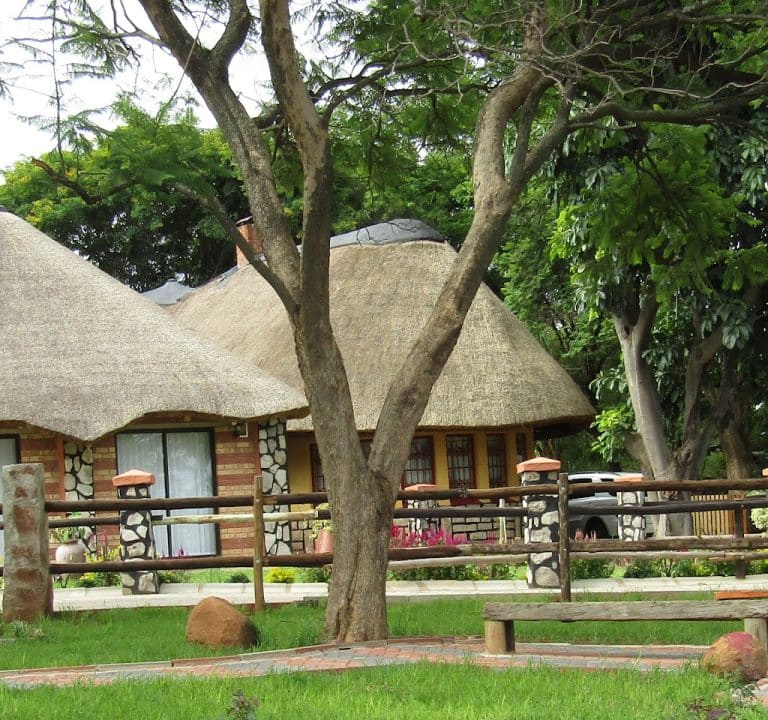
For Kanniedood Guest Lodge and similar stays, look for a distinctive lodge setting that combines comfort with a touch of wilderness. If you are considering a booking, review guest reviews to gauge hospitality, cleanliness, and how well hosts support guests with local planning. A well‑placed lodge can serve as a restful home base after day trips to the Waterberg, nearby game reserves, or scenic viewpoints, while still keeping you close to Mokopane’s markets and day‑to‑day town life. Always check website details for current offerings, directions, and any seasonal guidance to help you craft a well‑rounded itinerary.