Accommodation and Experiences in Mokopane, Limpopo: Planning Your Stay
Mokopane, in the heart of Limpopo, offers a compact blend of bushveld scenery, gentle safari ambience and convenient access to the province’s nature reserves. Whether you are seeking a relaxed lodge stay, a comfortable guesthouse, or a mid‑range hotel, there are options to suit different itineraries and budgets. A well‑planned visit often combines a comfortable base with a few day trips to nearby wildlife areas, cultural sites and easy dining options that showcase Limpopo’s warm hospitality.
When planning a stay in Mokopane, start by choosing a base that fits your planned activities. Central Mokopane tends to be practical for access to shops, supermarkets and restaurants, while lodges on the outskirts can offer a more immersive nature experience. If your itinerary includes wildlife viewing or nature walks, consider a lodge or guesthouse with on‑site guidance or close proximity to reserves. For a short break, a boutique lodge with en‑suite rooms and a pool can provide a relaxing retreat after day trips across the Lowveld plains.
Typical amenities you may encounter include en‑suite bathrooms, air‑conditioning or fans for warm Limpopo evenings, private patios or verandas, and communal areas where guests can mingle. Many self‑catering or full‑board lodges offer breakfast with options for light meals later in the day. If you are travelling with family, look for family rooms or interconnecting units, child‑friendly spaces, and safe parking. Accessibility is worth checking if you require step‑free routes or assistance from staff, particularly in smaller, rustic lodges.
Transport is a practical consideration. The most straightforward approach is usually a rental car, which gives you the freedom to explore reserves, towns and local eateries at your own pace. For longer day trips within Limpopo, a comfortable vehicle will help you navigate minor country roads. If you are arriving by air, the closest international‑sized flight options typically land at larger hubs, followed by a road transfer. Confirm with your accommodation what parking is available, and whether they offer any shuttle services to nearby attractions or markets.
Best time to visit Mokopane depends on the experiences you seek. The dry season, typically from May to September, often brings pleasant daytime temperatures and excellent wildlife visibility as animals converge around water sources. The wet season, from roughly November to March, brings lush scenery and occasional thunderstorms; this period can be ideal for birdwatching, and some guests enjoy the greener landscape. Always check local weather forecasts and reserve policies ahead of your trip, as seasonal road conditions can affect accessibility to some rural areas.
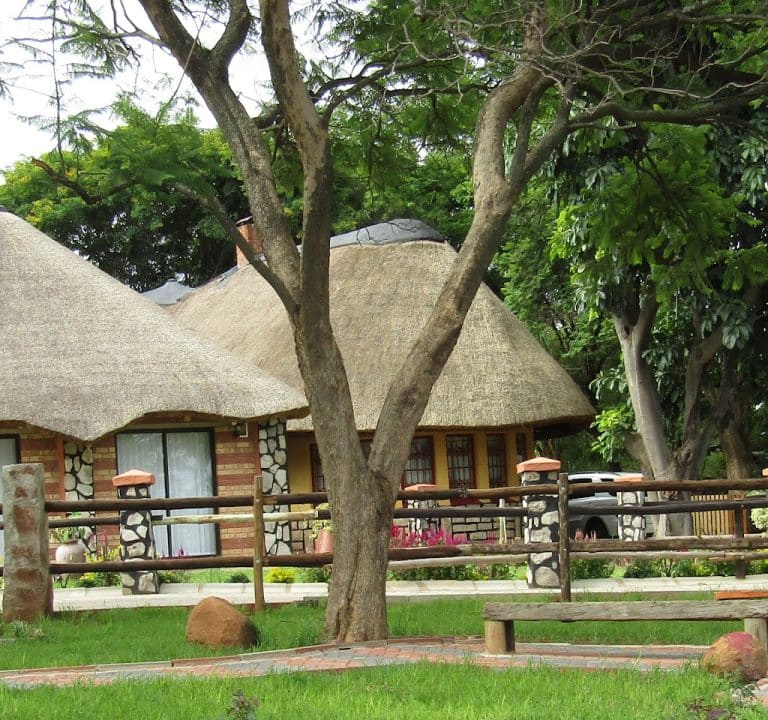
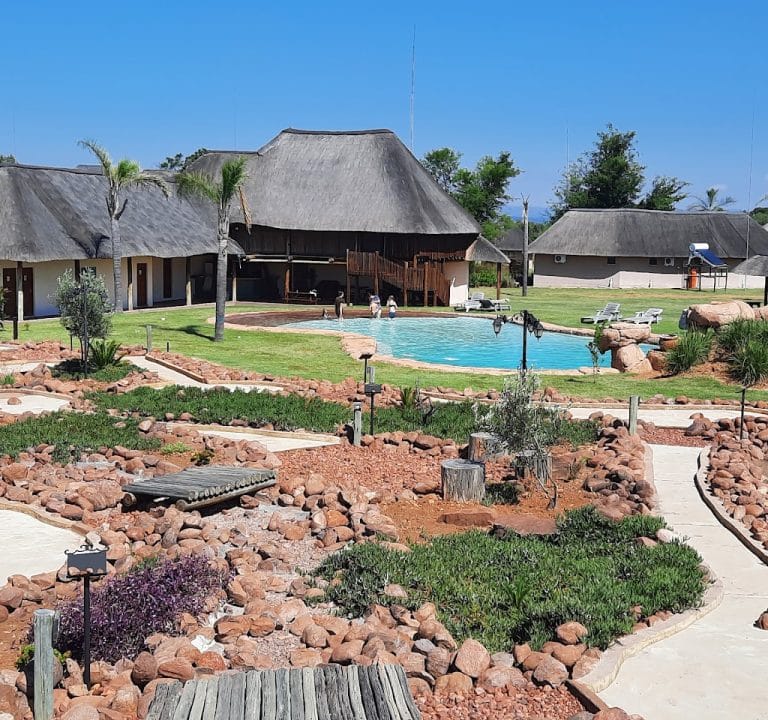
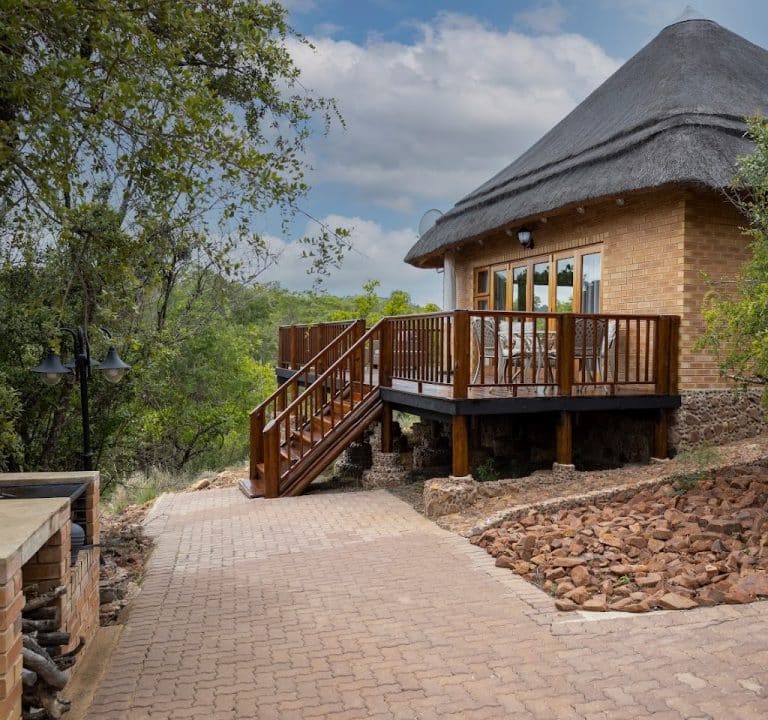
Accommodation in Mokopane ranges from intimate guesthouses to larger lodges and hotels. JaagBaan Lodge, for example, represents the lodge style of staying in the area: a comfortable, experience‑driven option that emphasises attentive service and a setting that complements the surrounding landscape. When evaluating options, consider the following practical tips to choose the right stay for you:
- Location relative to planned activities: reserve a base near reserves or viewpoints you want to visit, or choose a central option for easy access to shops and eateries.
- Room configuration and privacy: verify bed arrangements, en‑suite facilities, and whether there are features such as private balconies or shaded outdoor areas.
- Amenities and services: confirm whether meals are included, if there is a pool, Wi‑Fi, and ideally some on‑site guidance or local knowledge from staff.
- Safety and parking: check secure parking arrangements and any guest safety measures, especially if you plan to explore rural areas at dawn or dusk.
- Access to experiences: ask whether the property can help arrange guided nature walks, cultural visits or safaris, which can simplify logistics.
Beyond the lodge or guesthouse, Mokopane offers gentle opportunities to experience the region’s appeal. You can expect a welcoming dining scene where seasonal, locally sourced ingredients appear in simple, well‑prepared dishes. While specific restaurant names and menus change over time, visitors typically find laid‑back eateries that prioritise value and straightforward, hearty fare, as well as guidance from hosts on hidden gems in town and nearby villages.
For those interested in outdoor activities, you might plan visits to expansive natural areas suitable for short walks, birdwatching, or straightforward nature trails. If your schedule allows, a day trip to the broader Limpopo Lowveld region can provide additional scenery, wildlife viewing and opportunities to learn about local crafts and culture. When booking tours or activities, read reviews for practical details such as start times, duration, and whether any equipment is supplied or required.
Practical planning tips for a smooth Mokopane stay: book ahead in peak seasons, especially if you require a specific type of room or a lodge with particular facilities. Confirm what is included in your stay (meals, a guided activity, or airport transfers) and what incurs additional costs. Pack light but carry guidance on the climate, as evenings can be cooler than daytime temperatures, and a light jacket or shawl is handy. Finally, respect local customs and communities, and engage with staff and guides who can offer regional insights and help you tailor each day to your interests.
To start planning or to explore options, consider reputable tourism resources and regional guides for Limpopo. For broader inspiration and practical ideas about Mokopane and its surroundings, you can visit official tourism pages and reputable travel sites that provide current listings, maps and suggested itineraries.