Durban: A Traveller’s Guide to Accommodation, Attractions and Dining
Durban, perched on the east coast of KwaZulu-Natal, offers a warm balance of sunny beaches, subtropical landscapes and a lively cultural scene. When planning a stay, consider the varied neighbourhoods that make up the city and how easy it is to move between them. Coastal areas along the Golden Mile and North Beach are ideal for beach access and a relaxed pace, while the central business district and surrounding suburbs provide a gateway to museums, markets and a broader dining scene. For quieter retreats, inland pockets within a short drive can offer leafy streets, guest houses and lodges set against hillside views.
If you are booking a guest house or a boutique hotel, you will often find a friendly, personalised approach to hospitality. Typical amenities include en-suite rooms, complimentary Wi‑Fi, off-street parking and breakfast options ranging from full traditional spreads to lighter continental choices. Some properties may also offer curated experiences, such as guided walks through historic neighbourhoods, or recommendations for scenic drives and settings. For broader convenience, look for places with on-site parking or easy access to public transport, as Durban’s suburbs can be spread out and traffic varies with time of day.
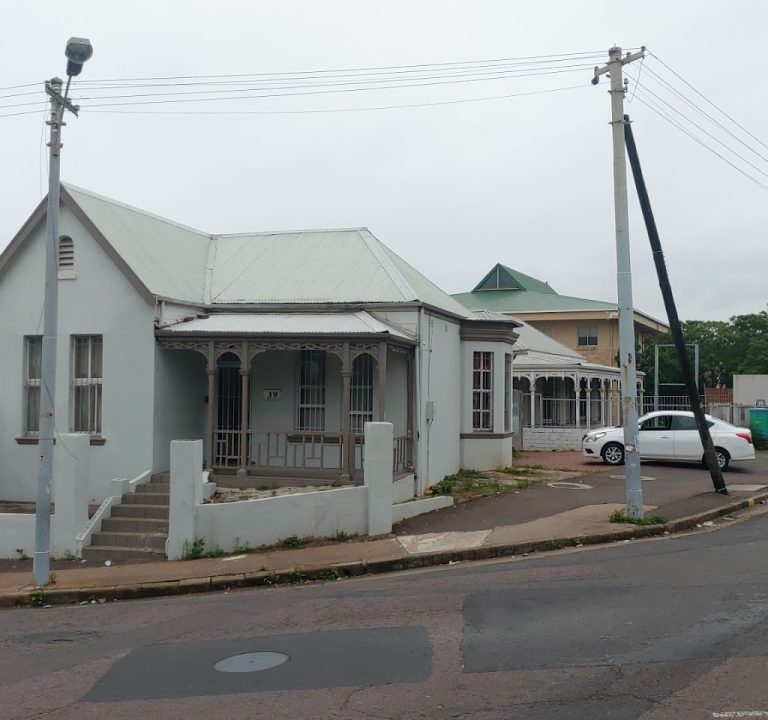
When choosing where to stay, think about access to transport and the pace you want. If you plan long days of exploring the beachfront, a stay near the Golden Mile or in Morningside can reduce transit time and increase opportunities for strolls along the coastline. For a culture-forward stay, consider the central corridors or nearby suburbs that provide quick access to markets, eateries and galleries. A guest house such as Junior Guest Lodge can illustrate how a comfortable, well-situated base might look: a compact, well-kept property with guest-focused service in a location that blends easy access to Durban’s highlights with a homely atmosphere.
Transport in Durban is a mix of self-drive, taxi services, and public options. If you plan to drive, ensure your accommodation has parking and clear directions for city routes. For sustainable and affordable travel, you can explore public buses and commuter rail routes where available, and many hotels or guest houses can help you arrange transfers or day trips. When booking, ask about airport shuttles or local shuttle services, as these can simplify the first and last mile of your journey. If you prefer a more relaxed itinerary, consider staying within walking distance of a few key sights and dining streets to minimise daily transit.
The best time to visit Durban tends to be the shoulder seasons—late spring and early autumn—when the weather is generally mild and there are fewer crowds. The summer months are warm and humid, with the city displaying its tropical character, while winter is mild compared with many temperate destinations. If you enjoy outdoor activities, plan coastal days when the sea breeze is pleasant, reserving indoor experiences such as museums, markets or indoor dining for the occasional rainy spell.
Durban’s dining scene is as varied as its climate. Expect a range of seafood options along the coast, regional South African dishes, and an influence from Indian and Zulu cuisines. Marketplaces and casual eateries can be rewarding, offering fresh produce, snacks and bite-sized meals that showcase local flavours. When selecting restaurants, consider proximity to your accommodation and whether you’d prefer a relaxed pre-dinner stroll or a quick commute after a day of sightseeing. Many venues host informal menus that change with seasonal ingredients, so you can expect fresh, affordable options without the need for extravagant reservations.
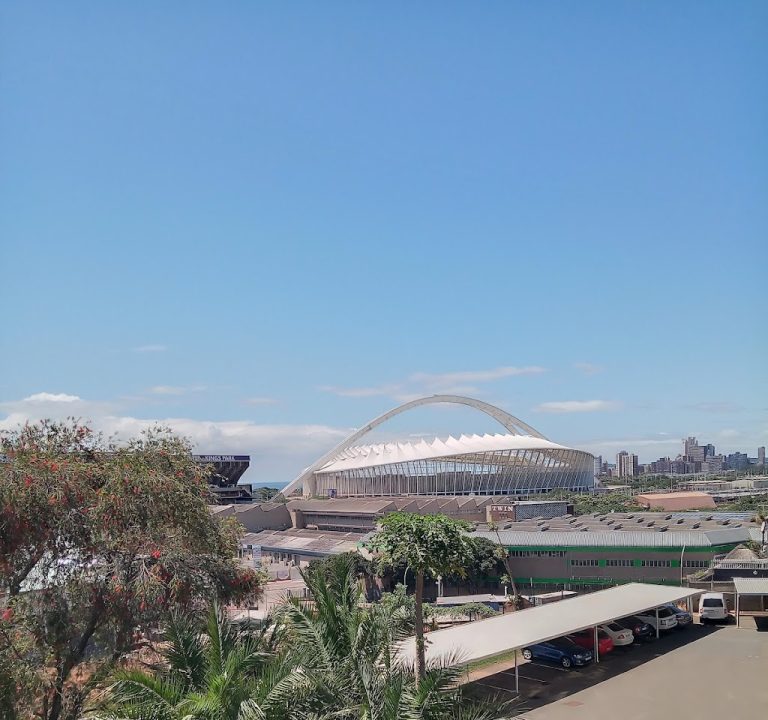
Within easy reach of the city’s attractions, you’ll find a mix of experiences suitable for different tastes. Family-friendly days can include promenades along the beachfront, viewing wildlife or marine-life displays at modern venues, and gentle walks through botanical spaces. For those interested in culture and history, Durban offers galleries and exhibits that celebrate regional heritage and contemporary art in addition to traditional crafts. Outdoor enthusiasts can enjoy scenic drives to nearby hills and valleys that showcase KwaZulu-Natal’s natural beauty, from viewpoints overlooking the coast to forested trails and wildlife sightings a short drive away.
Practical tips to help you plan your stay:
- Book accommodation with clear cancellation policies and transparent inclusions (breakfast, parking, Wi‑Fi).
- Check the neighbourhood map and transport options before you book, so you know how easy it is to reach beaches, markets and attractions.
- Pack sun protection, comfortable walking shoes and a light layer for coastal evenings.
- Consider a mix of rest days and activity days to avoid fatigue in the tropical climate.
- Look for guest houses or lodges that offer local insight, such as guided walks, restaurant recommendations or cultural experiences.
Durban is a city that rewards a well-planned stay with a blend of beach, culture and cuisine. Whether you choose a comfortable guest house in a tranquil suburb or a stylish stay near the coastline, you’ll find a suitable base from which to explore the many facets of KwaZulu-Natal’s coastal heart. For more information on the region, country-wide tourism resources and ideas for day trips, reputable travel guides and official visitor pages can provide up-to-date, practical guidance. Consider drafting a flexible itinerary that balances downtime with discovery, and you’ll return home with a true sense of Durban’s warmth and hospitality.