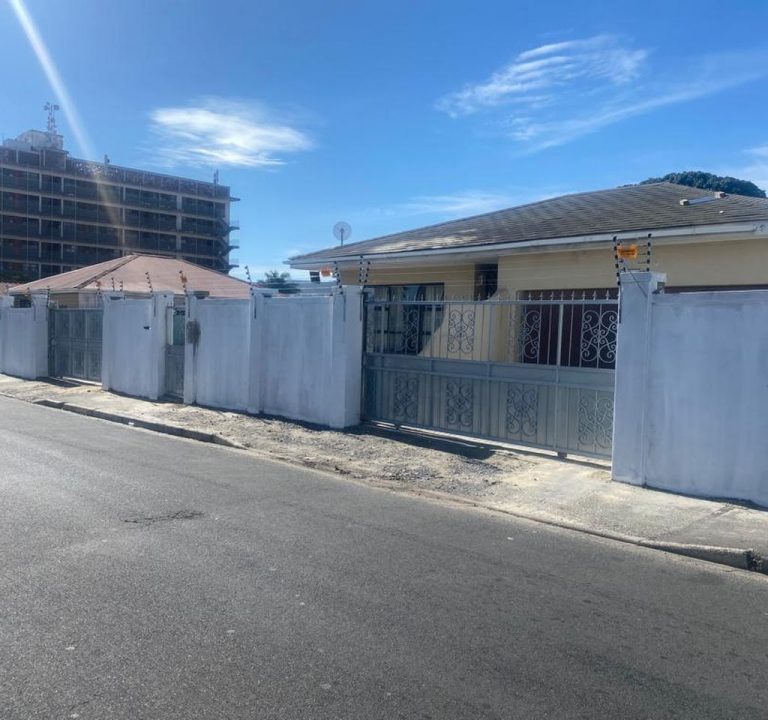
Accommodation and Experiences in Cape Town: Where to Stay and What to Do
Cape Town offers a diverse mix of places to stay, from stylish boutique guesthouses in historic neighbourhoods to contemporary hotels with harbour views. When planning a visit, think about your preferred pace, how immersed you want to be in city life, and how easy it is to reach the attractions that interest you. The Western Cape’s capital is compact enough to explore on foot or by taxi and public transport, yet spread out enough to feel spacious and varied as you move between hills, beaches and world‑class vineyards.
Areas to consider for accommodation include the city centre and the historic inner city, which provide easy access to museums, markets and a vibrant dining scene; the Atlantic Seaboard, including camps such as Green Point and the stylish suburbs of Sea Point and Bantry Bay, where hotels and guesthouses often offer sea views and quick access to the promenade; and the southern suburbs and Constantia Valley, renowned for leafy estates and wine routes. For families or travellers seeking a relaxed pace, the Constantia area or the beachy fringe of Camps Bay and Clifton can be appealing, while bohemian Woodstock and neighbouring neighbourhoods offer hip cafés and easy access to the city by public transport.
When booking, look for a property that matches your priorities. Do you want a central base within walking distance of bars and eateries, or a quieter spot with a garden and parking? Consider the following typical features that make a stay comfortable in Cape Town:
- Strong Wi‑Fi and a good breakfast, especially if you plan day trips to the Cape Winelands or the Cape Peninsula.
- Secure on‑site parking or easy access to reliable transport, since some areas require a short drive or rideshare to reach main sights.
- Clear information on access, including whether rooms are on upper floors, and whether lifts are available for guests with luggage or mobility needs.
- Flexible cancellation policies and transparent pricing, with details on taxes and any advance payments.
- Family‑friendly options or quiet rooms if you are travelling with children or seeking a restful break after busy days.
Typical amenities on offer include en‑suite bathrooms, powered breakfast options, tea and coffee facilities, and separate lounge or dining areas. Many properties provide useful extras such as secure parking, outdoor terraces or rooftop decks, and curated recommendations for local experiences. If you would like a more immersive stay, some guesthouses offer regional breakfasts featuring product from nearby markets or small producers, which can be a pleasant way to begin a day of sightseeing.
Transport in Cape Town is well supported by a modern metropolitan network. The MyCiTi bus service covers several routes across the city and can be a convenient way to reach popular districts from central hubs. Taxis and ride‑hailing services are widely available, and many hotels can arrange transfers or guided day trips to the winelands, the Cape Peninsula, or Robben Island. When planning day trips, consider your pace and whether you wish to combine wine tasting with sightseeing or dedicate a full day to one area, such as the Cape Point reserve or the Constantia wine route.
The best time to visit Cape Town depends on what you want to do. The summer months (roughly November to February) are lively, with long days and beach weather, making it ideal for outdoor activities and coastal strolls. Autumn (March to May) can be serene, with fewer crowds and pleasant temperatures for wine touring and hiking. Winter (June to August) brings cooler days and more frequent rain; however, it is a good period to enjoy green landscape scenery and fewer queues at major attractions. Spring (September and October) often offers mild weather and colourful blooms, especially in parks and the botanical gardens surrounding Table Mountain.
When planning an itinerary, balance city sights with nature and food experiences. A day can begin with a cable‑car ascent or a brisk walk up a hill to take in panoramic views, followed by a visit to a museum or historic district. A coastal afternoon in Camps Bay or Clifton can lead into a sunset dinner at a harbour restaurant, with opportunities to try seafood and Mediterranean‑style dishes reflecting Cape cuisine. For food lovers, plan to explore a few neighbourhoods known for casual dining, street markets, and cafés that showcase South African flavours, while also reserving a couple of evenings for more polished dining experiences that highlight seasonal produce.
Practical tips for travellers include reading recent reviews for safety and convenience, especially in multiple neighbourhoods you may consider. Check transportation options from your chosen base and how the area is connected to major sights. If you are visiting during peak season, book well in advance for popular stays and experiences, and keep a checklist of what you would like to do—such as coastal hikes, a day trip to the winelands, or a boat excursion to see marine wildlife. For a balanced stay, choose accommodation with easy access to a range of experiences rather than one that is superb for one activity but inconvenient for others. If you are exploring online, you can find detailed information on area guides and official tourism resources to tailor your itinerary to your interests and pace.
In short, Cape Town rewards travellers who mix centre‑based convenience with scenic day trips, attended by comfortable accommodation with dependable amenities. Whether you seek boutique charm, family‑friendly amenities, or modern simplicity with sea views, planning around an informed sense of neighbourhood character and transport options will help you make the most of your stay. To begin your planning, you can explore a range of properties and experiences on the official tourism websites and trusted travel platforms, then tailor your choices to your preferred rhythm and budget.