Cape Town accommodation and planning your stay: where to base yourself and what to do
Cape Town offers a diverse range of places to lay your head, from stylish self-catering lodges to characterful BnBs and modern apartments with views over the city and the ocean. When planning a stay, it helps to think about what you want to be close to: culture, beaches, mountains, or a quick hop to the city’s dining and nightlife. The city is well served by a mix of neighbourhoods, each with its own character, so you can tailor your base to your itinerary and pace.
Neighbourhoods and what they’re best for:
- City Bowl and the Central Business District are convenient for first-time visitors who want easy access to museums, markets, and the V&A Waterfront, with plenty of short strolls and dining options nearby.
- Atlantic Seaboard towns such as the fashionable coastal strips are ideal for beach days, scenic walks, and sunset views, with many guesthouses and villas offering terraces and kitchens.
- Southern Suburbs and Constantia embody a more relaxed pace, wine-tasting, green scenery, and countryside charm, suitable for longer stays and families.
- Green Point and Mouille Point offer a balance of city access and sea views, with convenient transport routes for exploring the Atlantic coast and the peninsula.
- Bo-Kaap and the historic central areas provide a cultural heartbeat, with easy access to markets, eateries, and colonial-era streets.
What to look for when booking a place to stay:
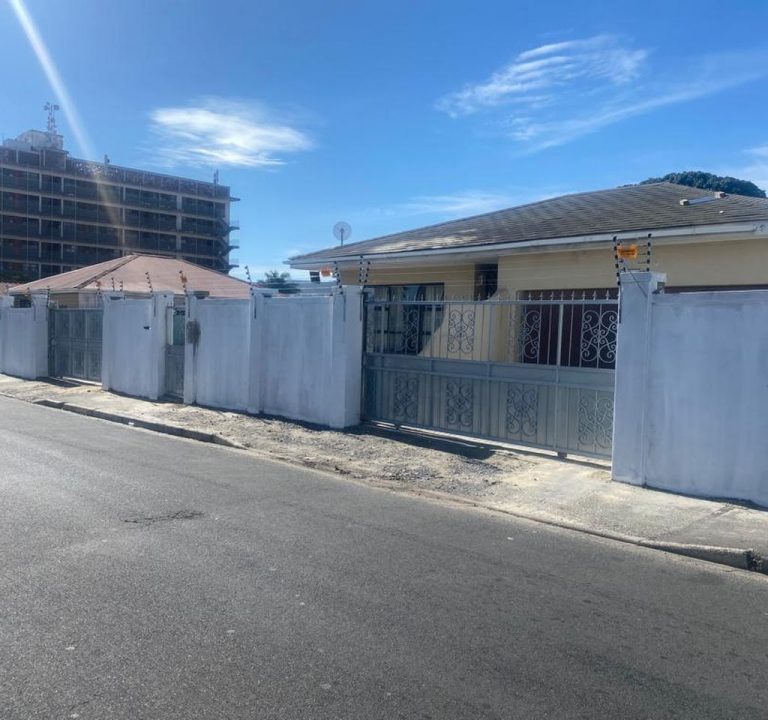
- Type and size: consider whether you want a self-catering apartment, a compact BnB room, or a larger holiday home. Sabbath Lodge is an example of a self-catering option that can suit groups or longer stays with kitchen facilities.
- Location practicality: proximity to your planned activities, public transport, and safe neighbourhoods, especially if you’ll be out after dark.
- Amenity essentials: reliable Wi‑Fi, well-equipped kitchens, laundry facilities, parking, and air conditioning or good ventilation for hot Cape Town days.
- Access and safety: secure entrances, on-site staff or a local contact, and clear guidance on neighbourhood safety and neighbourhood routes.
- Transport links: ease of access to MyCiTi buses, trains from central stations, or availability of ride-hailing services, and whether a car is needed for day trips along the coast or to the Cape winelands.
- Cost and flexibility: clear cancellation policies, reasonable cleaning charges, and whether there are any seasonal minimum-night requirements.
Typical amenities you may encounter:
- Self-catering facilities: kitchen with basic cookware, fridge, stove, and perhaps a washing machine—handy for longer stays.
- Private or shared spaces: some properties offer private entrances and terraces with sea or city views, while others provide communal lounges or gardens.
- Connectivity: free Wi‑Fi, streaming capabilities, and adequate power outlets in living and sleeping areas.
- Outdoor space: balconies, patios, or gardens for fresh air, especially pleasant in the temperate Cape Town climate.
- Parking and access: on-site parking or secure off-street spaces, and easy access if you’ll be driving along the coast or to the Peninsula.
Best time to visit and practical planning tips:
Cape Town enjoys a mild climate, but the best months for outdoor activities are typically spring and autumn when temperatures are pleasantly warm and crowds are lighter. Summer (December to February) brings lively beachfronts and harbour activity, while winter (June to August) can be cooler and windier, with occasional rain. Pack layers, sun protection, and a reliable camera—the city is dramatic in every light, from the flat Atlantic morning to the golden hour above Table Mountain.
Getting around is straightforward, though planning is wise. If you are staying near the city centre or along the Atlantic Seaboard, you can rely on a mix of walking, Uber or other ride-hailing services, and reliable public transport routes. For day trips—such as to the Cape Point, the Cape Winelands, or coastal towns—a hire car offers the most flexibility, especially for early starts or weekends when traffic can increase. Always budget extra time for table-top views or ferry crossings to Robben Island if you intend to visit the island’s historic site.
Dining and experiences tend to complement a stay in Cape Town. The city is known for its multicultural cuisine and market-style eating, ranging from seafood shacks by the harbour to contemporary restaurants in converted warehouses. In addition to meals, you’ll find opportunities for wine-tasting, scenic boat trips, harbour walks, and exploring nature reserves and mountains. When planning such outings, check current hours and seasonal closures, and consider sunrise hikes or late-afternoon viewpoints to avoid peak heat and crowds.
Practical tips to make the most of your visit:
- Book accommodations with flexible cancellation, especially if your plans may shift with weather or transport changes.
- Confirm access to essential services like a reliable kitchen, laundry, and secure parking before arrival.
- Be mindful of water usage during drought periods and follow local guidance on conservation where applicable.
- Choose accommodation with easy access to public transport or clearly defined taxi/ride-hailing routes for evenings out.
- Research nearby attractions with practical timings—some sites are best experienced early in the day to avoid queues and heat.
In summary, Cape Town can be a highly rewarding base for travellers, offering a spectrum of neighbourhoods to suit every mood and itinerary. Whether you favour a self-catering stay like Sabbath Lodge for flexibility, or a boutique guesthouse close to the city’s cultural heart, you’ll find comfortable rooms, thoughtful amenities, and a range of experiences—from world-class dining to natural wonders—that can fill a visit with memorable moments. Plan thoughtfully, move at a relaxed pace, and let the city unfold as you discover its beautiful landscapes, colonial history, and welcoming hospitality.