Johannesburg: Accommodation and Attractions for a Memorable Stay
Johannesburg, often simply called Jo’burg or Jozi, is a dynamic gateway to Gauteng’s urban energy and natural surrounds. When planning a stay, the city offers a wide range of accommodation styles—from intimate guest houses in leafy suburbs to contemporary lodges near vibrant city hubs. To make the most of your visit, it helps to map out a few key elements: where to stay, how you will get around, what you want to explore, and when to visit.
Areas to consider for your base include the northern suburbs, which are known for tree-lined streets, safe neighbourhoods, and easy access to business districts, museums, and parks. The central node is convenient for those who want to be close to museums, theatres, markets, and a lively nightlife. The southern and eastern suburbs often offer a more relaxed pace, with guest houses and smaller boutique hotels nestled in residential streets, while the northern and Sandton areas provide a bristling mix of shopping, dining, and modern amenities. When choosing a base, think about proximity to your intended activities, as well as safety, parking, and quick access to main routes for day trips or city exploring.
For accommodation, you’ll find a spectrum of options suited to different budgets and vibes. Guest houses and boutique B&Bs frequently emphasise personalised service, enabling guests to enjoy a homely atmosphere and locally prepared breakfasts. Many mid-range hotels balance comfortable rooms with good transport links, on-site dining, and business facilities. In the higher end, you may encounter design-forward hotels or lodges with contemporary amenities, excellent security, and concierge services. Practical considerations include room size, sound insulation, air conditioning, reliable Wi‑Fi, and accessibility features if required. If you plan to work during your trip or simply want a quiet corner to plan your day, look for dedicated workspaces or lounge areas in addition to in-room desks.
Transport is an important piece of the scheduling puzzle. Despite urban growth, you may still encounter traffic during peak times, so consider travel times between your accommodation and planned activities. Self-drive can be convenient, but many travellers favour secure parking and the option of short rides via reputable taxi or rideshare services. If you prefer public transport, you’ll want to verify access to taxi services, bus routes, or railway links in advance. Some guests appreciate staying within easy reach of main routes or within walking distance of dining and entertainment districts, reducing reliance on cars while you explore local neighbourhoods on foot.
Best time to visit Johannesburg tends to be spring (September to November) and autumn (March to May), when the weather is generally mild and outdoor attractions are enjoyable. Summers can be hot and wet, with afternoon thunderstorms more common, while winter brings cooler evenings. If you are aiming to visit outdoor markets or open-air events, check the seasonal calendars and consider booking ahead for weekends or public holidays when popular venues can be busier.
When planning a stay, curate a mix of experiences. In terms of attractions, you will encounter a blend of world-class museums and galleries, historic sites, and expansive public spaces. You might spend an afternoon exploring exhibitions about the city’s past, followed by a stroll through a leafy park or an area known for street food and craft markets. For families, a balance of interactive museums, nature reserves nearby, and safe, walkable streets can create a comfortable rhythm. For culinary enthusiasts, aim to sample a range of eateries—from casual bistros and market stalls to more refined dining rooms that showcase South African produce and contemporary cooking styles. Don’t miss the chance to explore street life, neighbourhood cafes, and markets where you can sample local flavours and hospitality in a relaxed setting.
Accommodation examples and practical tips
- Look for guest houses or boutique hotels that offer secure parking or easy access to safe transport options
- Prioritise properties with reliable Wi‑Fi, hot water, good heating or cooling, and clear information about neighbourhood safety
- Check for breakfast options, and whether the property can accommodate dietary needs or offer flexible checkout times for travel schedules
- Ask about on-site amenities such as a communal lounge, quiet workspaces, or a small gym or pool if that suits your itinerary
- When booking, review cancellation terms and guest reviews focused on cleanliness, responsiveness, and location reliability
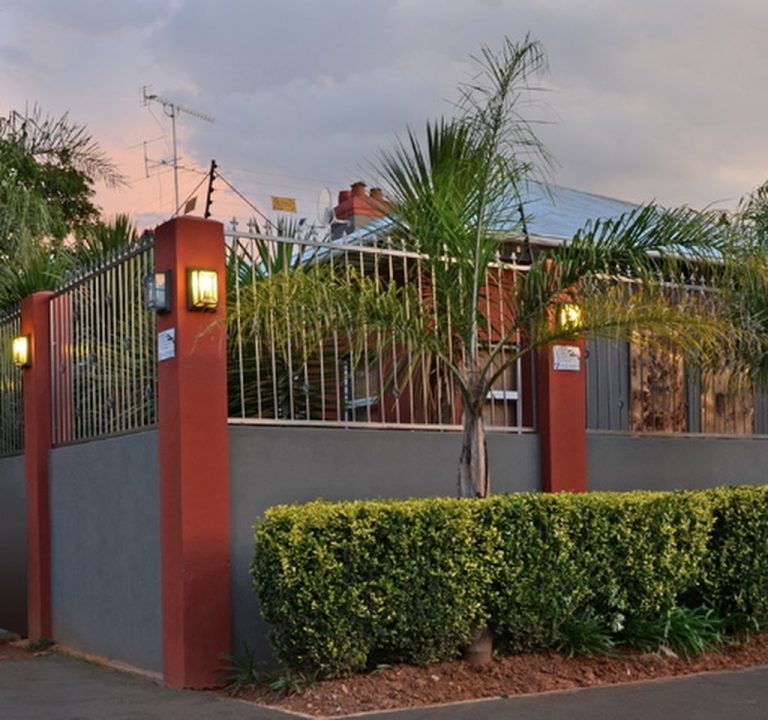
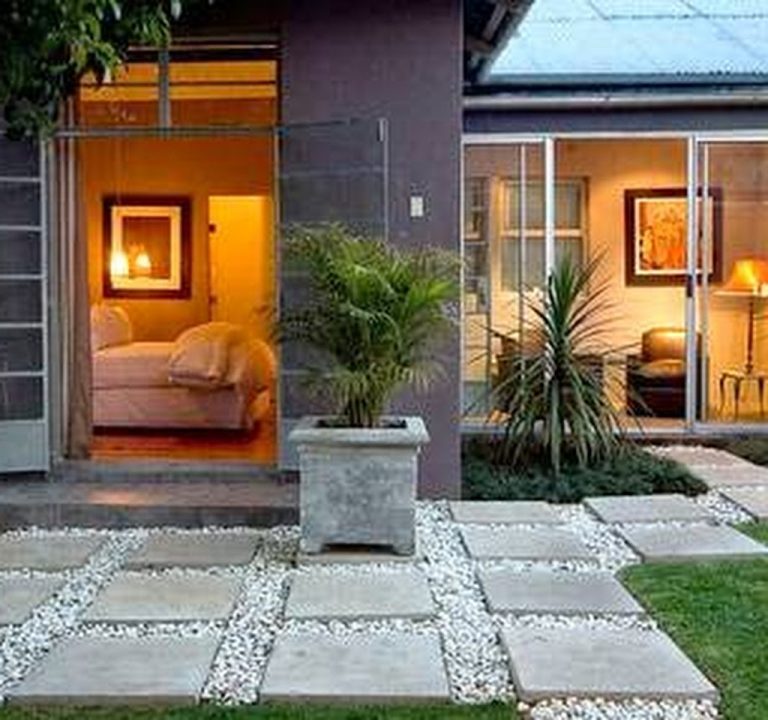
For a concrete starting point, consider exploring Johannesburg Suites Guesthouse, which sits within a location that can suit travellers seeking a quieter neighbourhood with personalised service. Their official site provides an overview of rooms and facilities and how they can help you shape a comfortable stay: Johannesburg Suites Guesthouse.
Restaurant and experience planning can be as simple or as adventurous as you like. In city settings, you’ll find options ranging from casual garden cafés to culinary venues that focus on modern South African cuisine and thoughtfully sourced ingredients. If you wish to combine dining with culture, look for areas where evening entertainment and markets extend into the night, providing a safe and pleasant environment for a post-prandial stroll. Always verify opening hours and booking requirements, especially for weekend dinners or events, and take local travel times into account when reserving tables after a day of touring.
Ultimately, a well-planned Johannesburg stay weaves together a comfortable base, efficient transport, and a mix of cultural, historic, and culinary discoveries. By selecting a neighbourhood that aligns with your priorities, confirming essential amenities in advance, and leaving room for spontaneous exploration, you can enjoy a memorable visit to Gauteng’s vibrant heart.