Johannesburg: where to stay and how to plan your visit
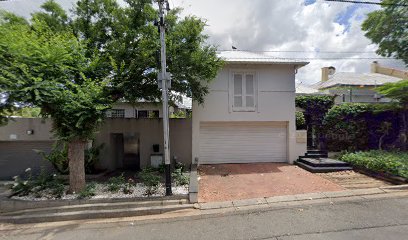
Johannesburg, or Jo’burg as many locals say, offers a vibrant mix of neighbourhoods, architectural surprises and a citywide energy that is hard to match. When planning a stay in Gauteng’s largest metropolis, it helps to think in terms of area character, transport options and practical comforts. From intimate guest houses to stylish boutique stays, you can tailor a visit around business, heritage, art and dining without missing the easy access to wider Gauteng. A welcoming example to consider is Guest House 61 on 5th, a guest house that provides a relaxed base with easy access to many parts of the city.
Neighbourhoods to consider include Rosebank and Sandton for polished convenience, with shops, markets and a range of eateries within walking distance or a short drive. Braamfontein and Maboneng offer a more urban, artsy vibe, updated with contemporary eateries and galleries. Melville and Greenside provide a laid‑back, village-like atmosphere with cafés and live music, while Soweto and Newtown present rich history and culture. When selecting accommodation, think about what kind of pace you want: a business district’s efficiency, a hip urban hub with nightlife, or a quieter residential street that still keeps you within reach of the sights.
Typical amenities play a big part in comfort. Look for private or secure parking, reliable Wi‑Fi, ensuite bathrooms, a well‑equipped kitchen or breakfast options, and thoughtful touches such as 24‑hour reception or on‑site laundry. For many visitors, a friendly host or resident manager is as important as the room itself, particularly if you’re navigating the city late or need local tips. Where possible, choose properties that offer easy check‑in procedures, clear directions to major transport hubs, and information about nearby public transport routes.
Transport in Johannesburg is best understood as multi‑modal. The Gautrain links the city centre with O.R. Tambo International Airport and Pretoria, providing a fast and reliable option for longer journeys. Within the city, Uber and other ride‑hailing services are commonly used, and several areas are well connected by bus and taxi routes. If you are renting a car, confirm on‑site parking and access to major arterials such as the M1 and other thoroughfares that link to northern business districts and the southern townships. A well‑situated accommodation can save you time if you plan day trips to large museums, stadiums, or heritage sites.
Best time to visit Johannesburg tends to be during the drier winter months from May to September, when especially clear days and cooler evenings are common. This period can be excellent for city walks, rooftop bars, and outdoor markets. If you are chasing a more subtle climate, the transitional periods in spring and autumn also offer pleasant temperatures for exploring on foot. Be aware that December to February can be hot and stormy, with the possibility of afternoon showers, so plan indoor activities or poolside relaxation accordingly.
Practical tips to help you plan your stay:
- Research the safety profile of your chosen area and coordinate airport transfers or local transport in advance.
- Read recent guest reviews focusing on cleanliness, noise levels, and host responsiveness.
- Check whether breakfast is included, and if there are options for dietary needs or early check‑in during travel days.
- Ask about secure parking or proximity to well‑lit streets if you plan to drive or walk at night.
- Consider proximity to your planned activities—museums, markets, and galleries—and how easy it is to reach them by public transport or rideshare.
- Prepare for indoor climate control: Johannesburg’s altitude and weather can make mornings chilly and afternoons warm, so layers are useful.
Attractions and experiences in general terms span history, culture and the urban landscape. The city’s museums and heritage sites offer insights into South Africa’s complex past and dynamic present. World‑class markets, contemporary art spaces, and a growing number of chef‑driven eateries reflect the city’s creative energy. For a broader sense of what Johannesburg has to offer, consider guided tours that connect you to township histories, city architecture, and local food scenes. For dining, you’ll find everything from informal cafés to refined restaurants featuring diverse flavours; many venues emphasise ethical sourcing and seasonal menus, providing a sense of place without the need for grand claims about awards or fame.
When you’re in Johannesburg, it helps to have a flexible itinerary that balances indoor and outdoor time, particularly if you’re staying in a central district with easy access to cultural venues and parks. A well‑chosen base like Guest House 61 on 5th can provide a homely welcome, with handy touches such as comfortable common areas and prompts for nearby places to eat and shop. With thoughtful planning, you can enjoy the city’s warmth, make the most of its transport links and feel well rested after each day’s discoveries. By prioritising comfort, location, and clear information from your hosts, your stay in Johannesburg can be a memorable and smoothly run experience.