St Lucia, KwaZulu-Natal: Accommodation, Attractions and Practical Planning for Visitors
St Lucia in KwaZulu-Natal is a compact, wildlife-rich town perched on the edge of the iSimangaliso Wetland Park. It makes for an approachable base from which to explore South Africa’s coastal ecosystem, while also offering a calm village atmosphere with a range of guest houses, lodges and coastal stays. When planning a stay, think about how you want to pace your days: nature safaris and birdwatching, boat trips along the estuary, or simply relaxing by the pool after hot, sun-filled mornings in the reserve or on the beach.
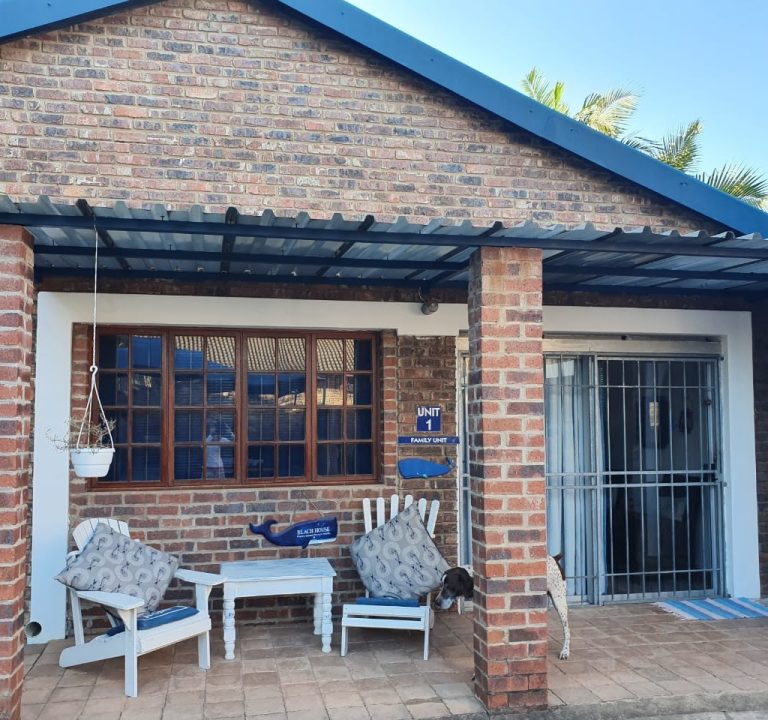
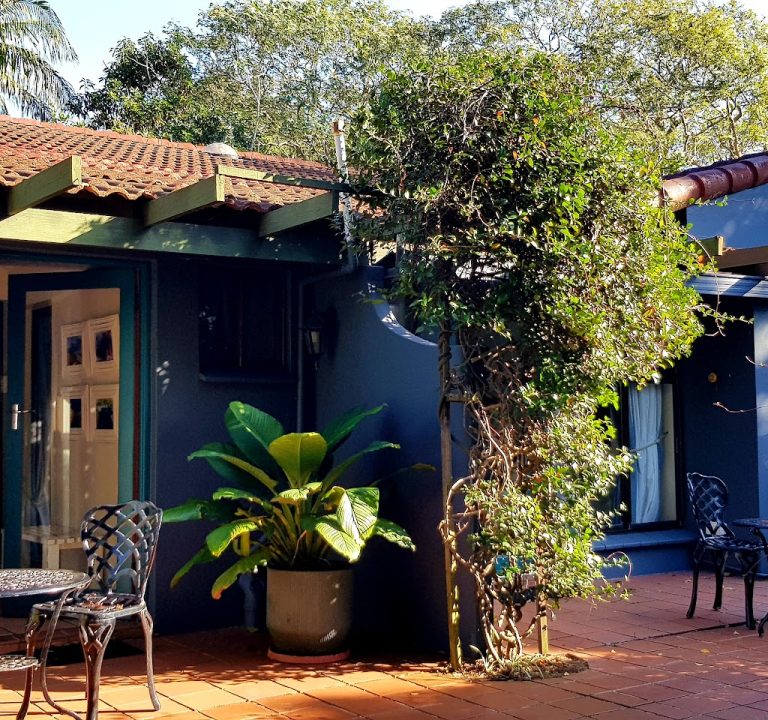
Accommodation options in St Lucia generally fall into guest houses, boutique lodges and small hotels, many with a warm, personal touch and easy access to the town centre. A stay at a guest house such as Jo A Lize Lodge (a representative example in the area) can provide straightforward comfort, a friendly host, and a compact footprint that suits travellers who prefer a sociable yet relaxed environment. When selecting where to book, consider the following features and how they align with your plans:
- Proximity to the estuary and wetlands access points for early-morning walks or boat tours.
- On-site facilities such as meals, a swimming pool, and secure parking if you’re hiring a vehicle.
- Guest reviews that mention wildlife sightings, sound insulation for quiet nights, and the attentiveness of hosts.
- Flexibility in breakfast options or optional dinner arrangements if you’re planning long days outside.
Key areas to consider in St Lucia include the village itself for easy walkability, the shoreline where lodges often offer sunset views over the water, and quieter residential streets that may be closer to nature trails. If you want straightforward access to the reserve gates and the visitor centre, choosing a property within easy reach of the town centre can save time in the mornings and evenings. For safari enthusiasts, staying closer to Hluhluwe-Imfolozi Park or the eastern entrances to iSimangaliso can shorten your drive to morning game drives and guided walks.
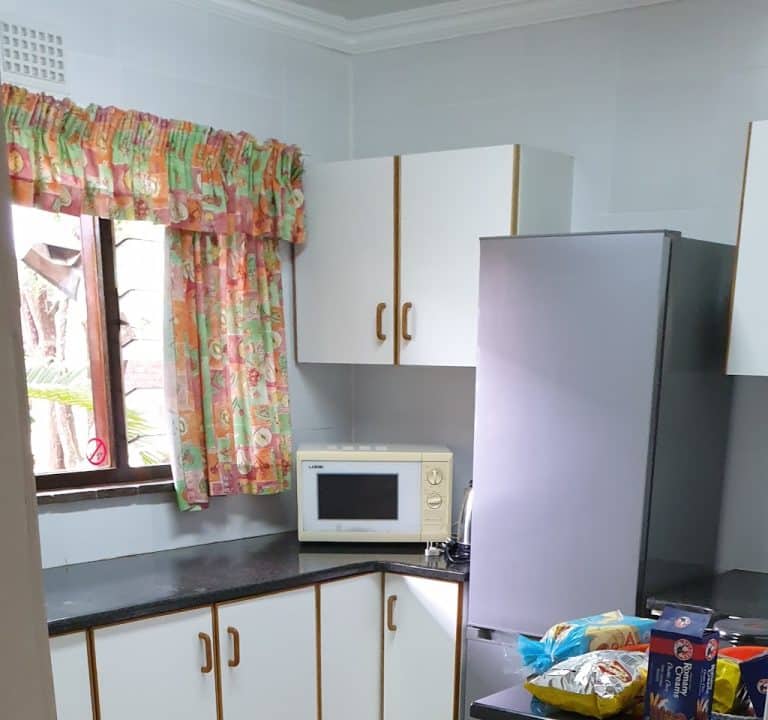
Typical amenities in well-rated stays include en-suite rooms or private bathrooms, air conditioning or fans for humid months, and reliable hot water. Many guest houses offer inclusive breakfast and a small on-site bar or lounge area, which can be ideal for socialising after a day on the coast. If you’re visiting during peak season, a property with secure parking and a clear check-in process is useful, as roads can get busy around popular reserve entry times. Budget-conscious travellers can find good value in guest houses with simple, clean rooms and shared spaces, while luxury-focused stays may offer larger suites, estuary views and guided experiences as part of a package.
Planning practicalities for transport and moving around in St Lucia is straightforward with a car, which is common for visitors who want to explore both the town and outlying reserves. If you’re not driving, local taxis or arranged transfers run between the main accommodation clusters and the entrance gates of iSimangaliso and Hluhluwe-Imfolozi, but schedules may vary, so confirm arrangements in advance. For those who prefer a self-guided pace, many guest houses sit within short, walkable distances to the quay, town shops, and cafés, making it easy to combine a light day with wildlife-watching from a shore-front setting.
The best time to visit St Lucia depends on your interests. The dry winter months (roughly May to September) are well-regarded for wildlife viewing, as animals tend to gather around water sources and visibility through the savannah improves. However, the area’s lush wet season also offers spectacular birdlife and vibrant landscapes, though expect more humid conditions and occasional showers. Shoulder seasons can provide a balance of pleasant weather, fewer crowds, and good value in accommodation and activities. If you’re planning a safari or boat cruise, it is worth coordinating with your host or a local operator to align your days with the best wildlife activity times and tide schedules for estuary trips.
When it comes to experiences beyond the room, St Lucia offers a mix of nature-centric activities and relaxed coastal enjoyment. Visitors can anticipate guided boat trips on the estuary to spot hippos and crocodiles, guided nature walks and birdwatching at the wetlands, and comfortable walks along the dunes and beaches. Dining in St Lucia often emphasises local seafood and farm-to-table ingredients, with several family-run eateries and casual restaurants that provide a friendly, low-key dining experience. For those who want to sample wider KwaZulu-Natal flavours, plan a day trip to nearby reserves or coastal towns to experience varied scenery and hospitality.
Practical tips for a smooth stay:
- Pack light layers and sun protection; coastal weather can be hot by day and cooler in coastal breezes or evenings.
- Book accommodation with flexible cancellation where possible, especially if you are planning wildlife activities that are weather dependent.
- Confirm breakfast times and any dinner options in advance, particularly if you have specific dietary needs.
- Carry water, a small jacket, and comfortable walking shoes for early-morning excursions and shore walks.
- Respect wildlife and local guidelines in reserves and on boat trips to ensure safe, ethical experiences.
For more information about the wider KwaZulu-Natal region and travel planning resources, you may wish to consult official tourism sites and reserve pages. These can provide current guidance on park access, seasonal activities, and practical travel tips to help you plan a memorable stay in St Lucia and the surrounding coastline of KwaZulu-Natal.