Accommodation and Attractions in Johannesburg, Gauteng
Johannesburg, or Jo’burg as it is affectionately known, offers a diverse mix of places to rest your head and experiences to match. From budget-friendly hostels to contemporary boutique hotels and leafy guesthouses, the city’s accommodation scene caters to all styles and itineraries. When planning a stay, think about district character, access to transport, and the type of experiences you want to weave into your days.
Choosing where to stay: areas to consider
- Sandton for business travellers and shopping enthusiasts
- Braamfontein and Maboneng for vibrant urban culture, cafés, and easy rail links
- Rosebank and Melville for a calmer pace, markets, and fine dining alternatives
- Newtown and the CBD for a central hub with museums, galleries, and nightlife
- Suburban retreats in Weld terms like Randburg or Illovo for a quieter stay with easy road connections
What to look for when booking
- Location relative to your planned activities and the convenience of public transport or secure parking
- Safety features such as well-lit entrances, 24-hour reception, and on-site security
- Cleanliness and comfort, including bed quality, en-suite options, and reliable Wi-Fi
- Amenities that matter to you, such as a guest kitchen, laundry facilities, or a cosy lounge area
- Accessibility considerations, especially if you have mobility needs or travel with family
- Flexibility in booking terms, including refundable rates and clear check-in procedures
Typical amenities you may encounter
- Free or paid breakfast options, with choices ranging from continental to cooked-to-order
- Comfortable communal spaces, including lounges, terraces, or rooftop areas
- Self-catering kitchens and shared dining spaces for social travellers
- Laundry facilities and luggage storage, sometimes with secure lockers
- Free or paid Wi-Fi, with options for work-focused spaces or quiet corners
- Guided or self-guided activity information, maps, and guest-host recommendations
Transport and getting around
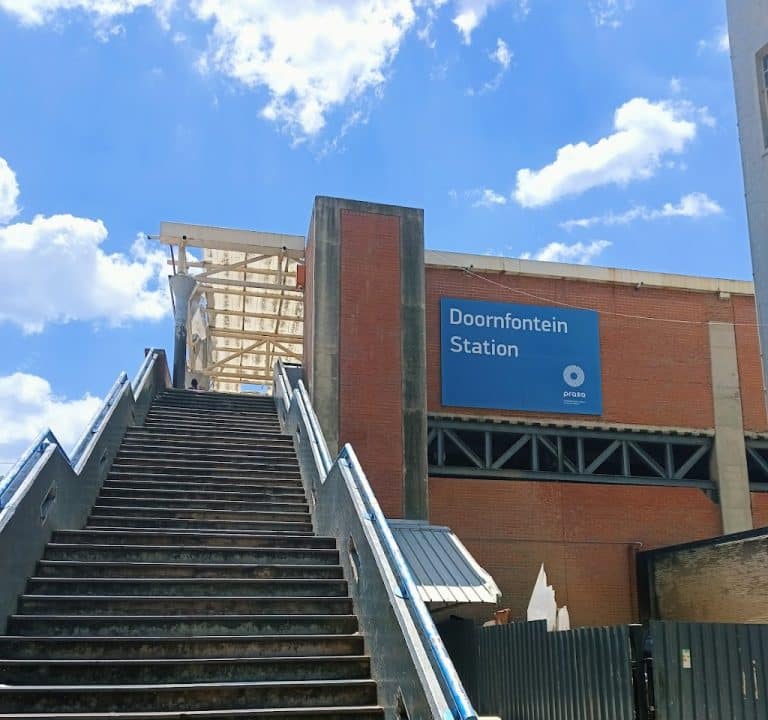
Johannesburg is spread out, so access to reliable transport can shape your itinerary. The city is served by regional rail networks, including a rapid transit link that connects several key suburbs and business districts. Taxis and ride-hailing services are widely available, offering convenient connections to attractions and dining. If you plan day trips to nearby natural areas or cultural centres, consider a base with easy road access or the possibility of arranging a driver through your accommodation.
Best time to visit
- The year-round climate is generally warm, with a more temperate winter. Visit during spring or autumn for comfortable outdoor sightseeing and lower indoor crowd levels.
- If you want to explore street markets, live music, and cultural festivals, stay tuned to local event calendars, which can influence when you choose a base in central districts versus a quieter residential area.
- For poolside relaxation and longer daylight hours, the warmer summer months are pleasant, but be prepared for occasional showers.
Planning your stay: practical tips
- Book in advance during peak periods and ensure cancellation terms suit your plans.
- Read recent guest reviews for up-to-date information on noise levels, security, and staff responsiveness.
- If you’re budgeting, compare the cost of a private room in a hostel with a fresh, well-run budget hotel or a mid-range guesthouse.
- Consider staying in a hostelry that offers a shared kitchen or common space to meet fellow travellers.
- Check for on-site amenities like secure parking, in-room safes, and power outlets that suit your devices.
Experiences and dining, in general terms
Johannesburg’s dining scene reflects its cultural tapestry, with venues ranging from casual eateries to stylish bistros and informal markets. You’ll encounter a spectrum of cuisines and venues, from coffeehouses and bakeries to full-service restaurants, often clustered near key neighbourhoods. For a balanced itinerary, mix daytime museum visits or art walks with relaxed meals in local cafés or experienced-driven dining venues. In the evenings, districts with a concentration of bars and live music offer a safe, walkable neighbourhood atmosphere for a post-dinner stroll.
Attractions and activities to consider
- World-class museums and galleries that celebrate the country’s history, art, and contemporary culture
- Parks, nature reserves, and viewpoints that provide a sense of space amidst the city’s energy
- Markets and street-level events where you can sample regional foods, crafts, and music
- Guided neighbourhood tours that offer insights into local architecture, urban renewal, and community projects
- Day trips to nearby natural landscapes or historical sites, arranged through your accommodation or a trusted operator
Sustainability and safety
- Look for accommodation with clear recycling options, reduced single-use plastics, and energy-conscious practices.
- Take standard travel precautions: vary routes returning to your accommodation at night, keep valuables secure, and respect local guidelines.
If you’re unsure where to begin, a good starting point is to choose a district that aligns with your interests—arts and culture, shopping and dining, or relaxed suburban stays—and then compare a few well-reviewed options that offer clear information about location, transport links, and guest services. For a budget-friendly base with social opportunities, a well-run hostel such as those combining shared spaces with practical amenities can be a sensible choice; it’s often possible to book through the property’s own site or via trusted travel platforms.
For further planning, you might explore official tourism resources and reputable travel guides that provide up-to-date area insights, transport tips, and activity ideas in Johannesburg. More information can be found at official tourism pages or regional travel portals, which offer practical details to help you tailor your stay to your pace and interests.