Jeffreys Bay Beach Accommodation: Planning a Relaxed, Surf‑friendly Stay in the Eastern Cape
Jeffreys Bay, on the Eastern Cape coast, is synonymous with long, sweeping beaches, world‑famous surf breaks and a laid‑back coastal atmosphere. When planning a stay, many guests choose self‑catering or beachside options that place them within easy reach of the town’s main attractions and the sparkling ocean. A well‑located base can help you maximise time for days on the water, seaside walks, and exploring the area’s nature reserves and informal eateries.
Accommodation in Jeffreys Bay spans self‑catering apartments, guesthouses, B&Bs and small hotels, often clustered near the main beach and the town’s central strip. Look for places that offer easy access to the beach, a practical kitchen or kitchenette, secure parking, and reliable Wi‑Fi for guests who want to stay connected after a day out. If you prefer a quieter experience, consider options a little further from the centre or tucked into residential streets near the dunes, where the sound of the sea can be more immediate than traffic noise. When booking, it’s useful to filter by proximity to your preferred activity so you don’t waste time commuting back and forth along the coast.
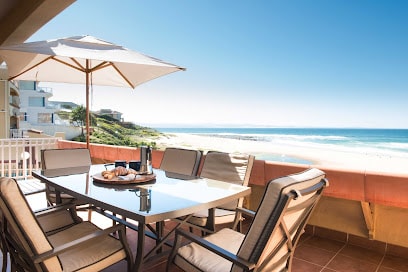
Areas to consider include the beachfront precinct, where most properties boast direct or near‑direct access to the sands, and the town centre, which is convenient for dining, coffee shops and local markets. Another option is the residential suburbs a short drive from the shore, offering calmer evenings, garden spaces and a more homely feel. For families, properties with secure parking, child‑friendly amenities, and multiple bedrooms can make a stay more comfortable. For solo travellers or surfers, a compact studio or apartment near the beach can be ideal for early morning sessions and easy return for a warm shower and a mug of tea.
Typical amenities often include a well‑equipped kitchen or kitchenette, private or shared outdoor spaces, housekeeping on a flexible schedule, and laundry facilities. Some properties offer barbecue areas, communal lounges, or small swimming pools. If you are travelling with equipment such as surfboards, it’s worth checking whether there is a safe storage option or a designated space for gear. Accessibility features are increasingly available as well, with ground‑floor units and easy access routes becoming more common in new listings.
Transport planning is straightforward in Jeffreys Bay. The town is walkable in the centre, and most shore‑side accommodation is within a short drive of the main beaches. If you plan to explore beyond the immediate coast, a rental car provides the most flexibility, with good regional roads linking to nearby towns and coastal reserves. Local taxis and rideshare services are an option for shorter journeys or evenings out. If you are self‑driving, allow extra time for peak traffic around holiday periods and for the occasional roadworks along routes to the neighbouring coastal villages.
The best time to visit Jeffreys Bay depends on your interests. For surfing, the autumn and winter months bring consistent swells and cooler coastal air, while summer offers warmer water and longer days for beachgoers. Wildlife and nature lovers may prefer the shoulder seasons when crowds are thinner and the light is particularly pleasant for photography. The town’s restaurant scene is relaxed and informal, with a focus on fresh seafood, local produce and casual dining venues. Planning ahead for weekend crowds during school holidays helps ensure you secure preferred accommodation and convenient dining slots.
Practical tips for a smoother stay include packing for variable coastal weather—sun protection, a light rain layer, and layers for cooler evenings. Bring charging facilities for devices in common areas and check for in‑unit entertainment options if you plan several relaxed evenings in. Before you book, confirm cancellation policies and whether linen and towels are provided, or if these need to be supplied by you. If you are travelling with pets, verify pet‑friendly options and any restrictions in the property rules. For longer stays, request additional housekeeping or a mid‑week clean if available, to maintain the comfort of your space without disrupting your plans on the beach.
Nearby attractions and activities generally include long beach walks, surfing lessons or board hire, and nature trails along the dunes. You may find chances to observe birdlife in coastal reserves and opportunities to explore small coastal towns with welcoming cafés and light meals. Restaurant choices tend to be informal and family‑oriented, with menus that celebrate seafood, barbeque, and simple comfort dishes. For a sense of the local flavour, look for venues that showcase seasonal produce and locally produced goods, and browse market stalls during weekends for artisan treats and spontaneous entertainment.
To explore further, you can visit the area’s official or tourism‑focused pages for current events, seasonal highlights and practical travel tips. A sample starting point for planning is Jeffreys Bay Beach Accommodation, which provides a range of self‑catering options and practical guidance for visitors. For more information, visit the property’s site at Jeffreys Bay Beach Accommodation.
- Choose accommodation near your preferred beach or the town centre for easy access to shops and eateries.
- Check for essential amenities: kitchen facilities, parking, reliable Wi‑Fi, and security features.
- Consider the season and surf calendar when booking for peak periods.
- Plan transport in advance if you require a rental car, but know that walking and short hops by taxi can suffice for some itineraries.