Plettenberg Bay: Where to stay, what to do and how to plan your visit
Plettenberg Bay, on the scenic Garden Route in the Western Cape, offers a versatile mix of coastal charm, rugged nature and relaxed town life. When planning a stay here, you’ll find a wide range of accommodation options from intimate B&Bs and guesthouses to stylish hotels and family-friendly lodges. The town is well placed for easy day trips along the coast, with beaches, bays and nature reserves that reward repeat visits. A comfortable base with good access to transport routes and local amenities will help you make the most of your time in this part of South Africa.
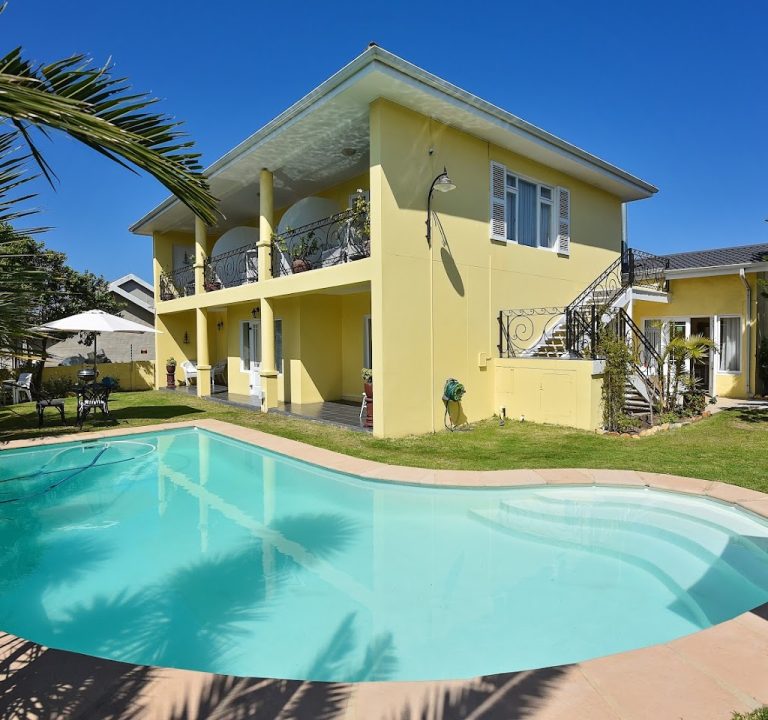
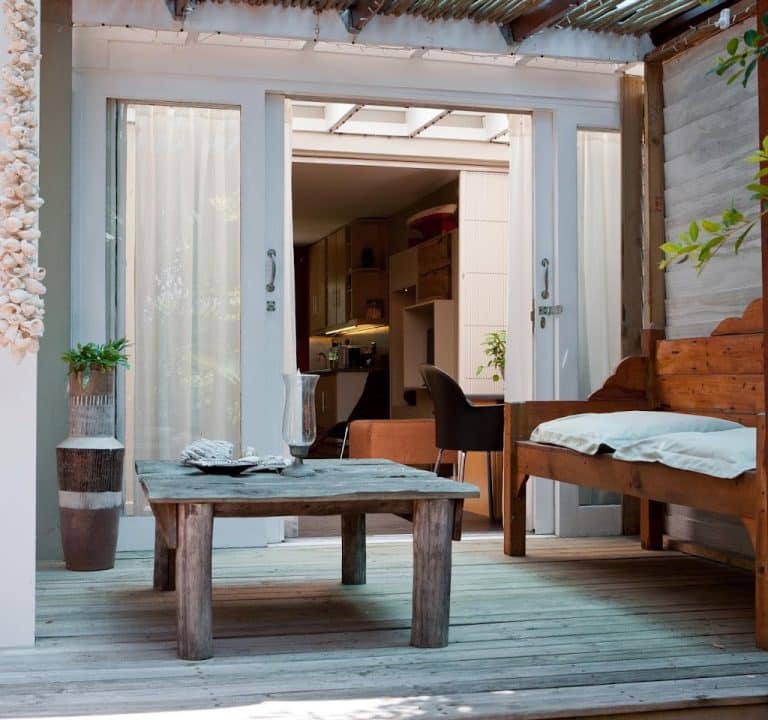
For those seeking a personalised experience, consider staying in places that highlight the local character. A family-run bed and breakfast can offer you a warm welcome, a home-cooked breakfast and insider tips on the best spots to explore. An example of this kind of option is Jaydees B And B, which provides a compact, thoughtfully arranged base near the centre of town and easy access to beaches, shops and eateries. If you’re curious, you can discover more via the property’s website.
When choosing accommodation, think about the area and what you want to be close to. The central town area puts you near shops, cafes and the main access points to beaches, while the Robberg Peninsula and the Heads deliver dramatic scenery and wildlife viewing opportunities. Some visitors prefer a quieter spot along the coastal dunes or within walking distance to a long beach for early morning runs or sunset strolls. Booking early during peak seasons is advisable, as Plettenberg Bay remains a popular destination throughout the year.
Typical amenities across Plettenberg Bay’s accommodation spectrum include free Wi‑Fi, private ensuite bathrooms, secure parking, and options for breakfast either on-site or in-room. A few properties offer self-catering facilities, outdoor pools, or terraces with sea views. If you have children in tow, look for family rooms, kid-friendly facilities, and easy access to beaches with lifeguards or safe swimming zones. For business travellers or long-stay visitors, consider properties with flexible check-in times, workspaces or quiet corners for remote work.
- Proximity to beaches and natural reserves
- On-site parking and easy mobility around town
- Guest reviews highlighting cleanliness and helpful staff
- Options for breakfast and light meals on site
- Transport access to neighbouring towns and attractions
Transport around Plettenberg Bay is straightforward but planning helps. A car is the most convenient way to explore the area and to reach coastal trails, viewpoints and nearby towns. Some accommodation options offer shuttle services or assistance with airport transfers; for others, car hire on arrival is a practical option. Public transport is less frequent along the coast, so having your own wheels tends to maximise flexibility for day trips to the Bloukrans Pass, World of Birds in nearby towns, or a scenic drive to nature reserves and viewpoints.
The best time to visit Plettenberg Bay spans a long window. The summer months bring long days and calmer seas—ideal for beach days, boat trips and water activities. Winter offers cooler, briefer days with the potential for wildlife sightings along the coast and in the surrounding nature reserves. Shoulder seasons can be particularly pleasant, often delivering mild weather, quieter beaches and good value on accommodation. Pack sun protection for daytime hours and a light jacket for breezier mornings along the coast.
When it comes to planning activities, you’ll find a range of options that suit different interests. Nature lovers can explore the Robberg Nature Reserve with scenic hiking trails and lookouts that reward you with sea views and wildlife sightings. Beachgoers have ample shoreline with stretches suitable for swimming and safe family days out. For outdoor adventures, you might consider guided hikes, sea kayaking along sheltered coves, or scenic boat trips that emphasise the marine environment without committing to high-risk activities. Wildlife viewing, including seabirds and occasional marine mammals, is a highlight of the region, best enjoyed with a calm, prepared approach to weather conditions and safety guidelines.
Dining in Plettenberg Bay ranges from cosy cafes to contemporary restaurants offering regional flavours and seasonal produce. The town is accustomed to visitors seeking relaxed meals after a day of sightseeing, with menus that typically feature fresh seafood, locally sourced vegetables and well-prepared meats. For guests staying in accommodation with a breakfast option, plan to begin your day with a hearty start before you head out for the morning’s plans. If you prefer to dine out in the evening, you’ll find a spectrum of choices, from casual eateries to more refined dining rooms, many of which place emphasis on sustainable ingredients and friendly service.
Practical tips to make the most of your stay include confirming your room type and bed configuration in advance, asking about late check-in arrangements if you’re arriving after hours, and checking if your chosen property offers laundry facilities or drying areas for longer visits. Bring a reusable water bottle for the beaches and trails, a light rain jacket for changeable coastal weather, and comfortable walking shoes for day trips. Finally, keep an eye on local event calendars—Plettenberg Bay hosts markets, outdoor concerts and seasonal activities that can enrich your itinerary without requiring extensive planning beyond a relaxed approach to the day.