Plettenberg Bay: Accommodation, Attractions and Planning Your Stay
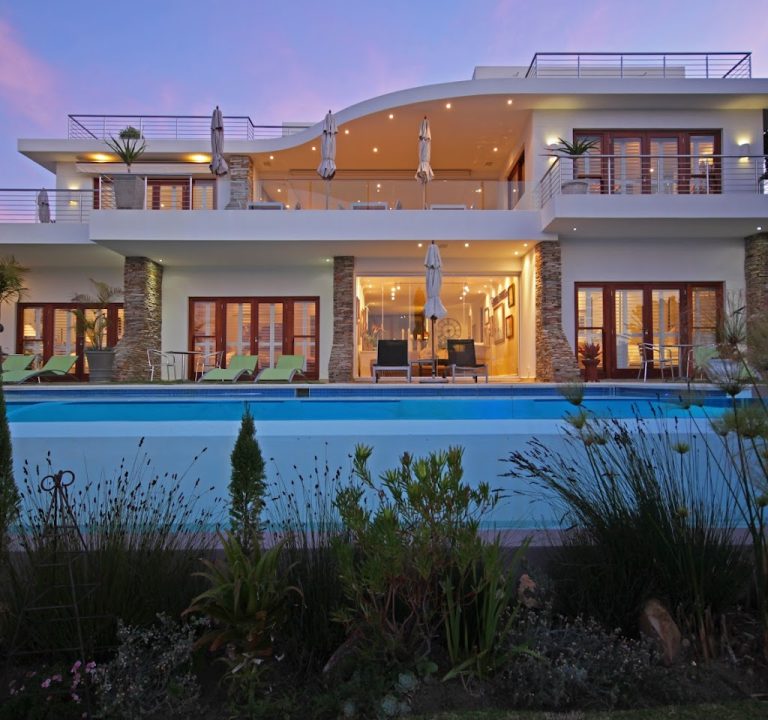
Plettenberg Bay, often referred to simply as Plett, is a coastal destination in the Western Cape that combines sweeping beaches, green hinterland and a relaxed village atmosphere. When choosing somewhere to stay, consider the area yourselves prefers, access to the beach, and how you plan to move around. The town’s lodging spans intimate guest houses, stylish B&Bs, self-catering apartments and family-friendly lodges, many with views of the sea or the surrounding mountains. For a stay that feels characterful and convenient, aim to match your accommodation style with the kind of days you anticipate—long beach walks, wildlife adventures, or leisurely coastal dining.
Where you base yourself can shape your daily rhythm. The central beachfront area offers easy access to the main beaches, shops and restaurants, with a compact stroll to viewpoints and the harbour. Robberg Peninsula provides dramatic scenery and wildlife encounters, while quieter pockets along the coast and in the residential hills offer more secluded stays and panoramic vistas. If you’re seeking a true countryside escape, the neighbouring Crags and Goose Valley areas provide spacious properties and access to forest trails and wildlife reserves. When booking, check how near the property is to beaches, coastal paths and car routes, and whether you’ll need a vehicle for longer outings.
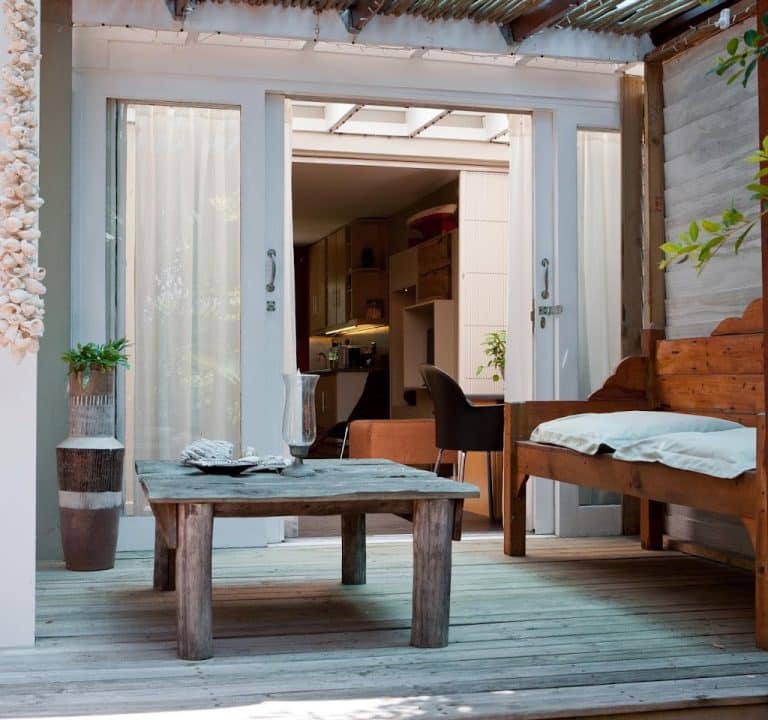
Typical amenities to look for include reliable Wi‑Fi, secure parking, a generous breakfast service if you’ll be starting days early, and generous outdoor spaces—balconies, verandas or garden seating are particularly appealing for evening sundowners. Many guest houses and B&Bs in Plettenberg Bay offer personalised local recommendations, from the best sunbathing beaches to short walks and scenic drives. Families often value rooms configured for children, cots or extra beds, and communal spaces such as lounges or gardens. For couples or travellers seeking privacy, consider self-contained units with private entrances or kitchenette facilities. If you’ll be exploring the area by car, confirm parking arrangements and the ease of access to main roads and cycle paths.
Seasonality shapes planning. Plettenberg Bay enjoys warm summers and mild winters, with peak visitor numbers typically in the southern hemisphere summer months. Whale watching and birdlife are highlights in the cooler months, while the beaches and outdoor trails shine during spring and summer. Shoulder seasons can be an ideal time to visit for quieter beaches, lower rates, and calmer trails. If you’re keen on wildlife experiences, consider timing your stay to align with nature reserves and coastal walks when wildlife viewing is most rewarding, but always check access rules and seasonal closures before you go.
Transport around Plettenberg Bay is straightforward with a car providing the most flexibility. The town is connected by a regional road network that links to George Airport and other towns along the coast. If you don’t plan to drive, check whether your accommodation offers transfers to key sites or whether you can hire a local driver for day trips. For walkers and cyclists, many coastal paths are forgiving and scenic, though you should remain mindful of tide timings and safety guidelines along the beaches. Local taxis and ride-hailing services are often available as well. Packing a small daypack with water, sun protection and a light layer is sensible for day trips, especially if you plan to hike the Robberg Nature Reserve or explore the harbour precinct on foot.
Attractions and experiences in Plettenberg Bay are varied but easy to tailor to different interests. Natural beauty features prominently—from pristine beaches and dramatic viewpoints to harbour sightings and nature reserves. A day on the coast can include a scenic drive along the coastline, a walk or short hike on the Robberg Peninsula, or a boat trip to observe marine life from the water. Inland, the hinterland offers forest trails, local markets and access to fresh produce. When planning activities, balance outdoor adventures with downtime in cafés or eateries overlooking the bay. Dining in Plettenberg Bay tends to focus on fresh seafood, seasonal produce and relaxed watering holes with sea views. Expect menus that celebrate local ingredients, with options for light lunches, intimate dinners or casual evenings by the sea. If you enjoy regional flavours, ask for recommendations on seasonal dishes and local wine pairings, and consider setting aside an evening to explore a few different places rather than clustering meals in one area.
Practical tips for visitors:
- Book early for peak periods and consider shoulder seasons for better value and less crowding.
- Prioritise accommodation with easy beach access or a short, direct walk to key viewpoints.
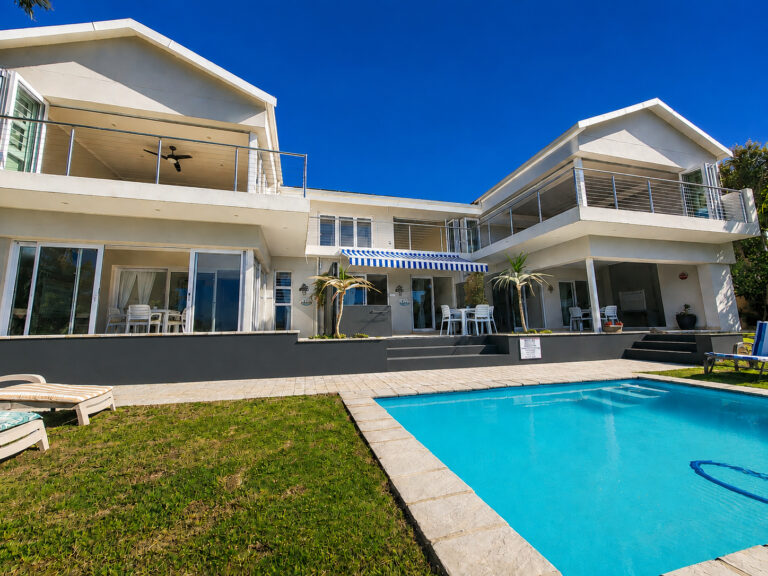
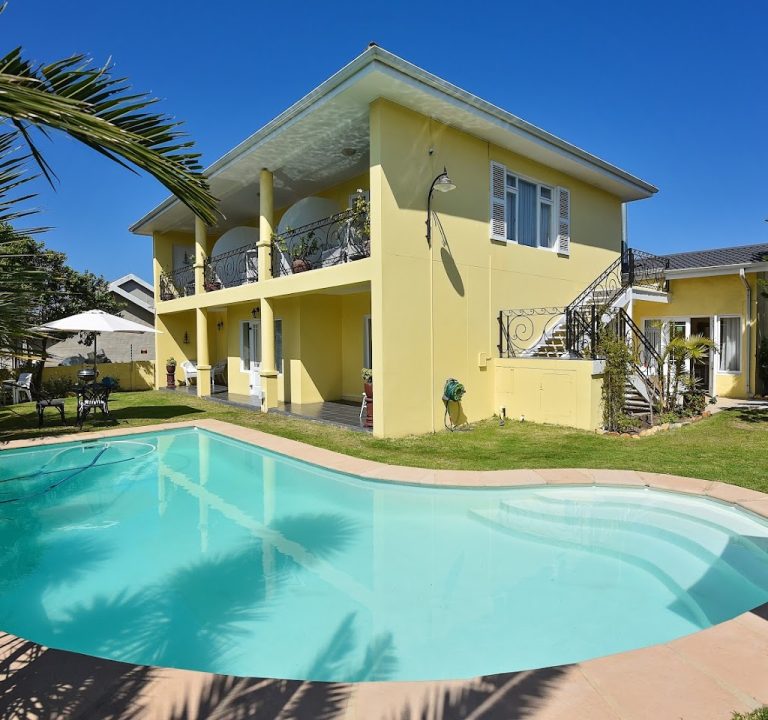
- Ask about breakfast options, parking arrangements and any on-site guest facilities such as a pool or outdoor seating area.
- Check cancellation policies and whether the property can accommodate dietary needs or mobility considerations.
- Bring sunscreen, a hat and a reusable water bottle for days spent exploring the coastline and nature reserves.
For planning resources and ideas, browse the official tourism information or regional travel guides linked from local websites. Plettenberg Bay is a place to slow down, enjoy nature and discover small encounters that reveal the character of the Western Cape coast. Whether you stay in a cosy guest house like Plett Retreat or another well-situated option, a well-planned itinerary can balance beach time, nature walks and relaxed evenings sampling local fare. More information about current events, trail conditions and dining options can usually be found through reputable local sources and the official tourism pages.