Cape Town Accommodation and Experience Guide: Where to Stay and What to Do
Cape Town, framed by the iconic Table Mountain and bordered by the Atlantic Ocean, offers a rich mix of self-catering retreats, boutique guesthouses, and larger hotels. Whether you’re seeking a sea-view apartment, a cosy guesthouse in a historic neighbourhood, or a stylish lodge perched on the hillside, planning your stay around the city’s diverse areas can help you maximise every day’s adventure while minimising travel time.
Areas to consider include the City Bowl for central access to dining, museums and concerts; the Atlantic Seaboard for coastal views and easy beach access; Camps Bay and Clifton for luxury leisure with sunset scenery; Green Point and the V&A Waterfront for a waterfront vibe with convenient transport links; and Constantia or Syrene for leafy tranquillity and wine-tasting days. If you enjoy colourful streets and culture, the Bo-Kaap offers a unique historic neighbourhood experience. For family-friendly outings and hiking, the southern slopes of Table Mountain or the Constantia Valley are excellent bases.
When choosing accommodation, think about what matters most for your plans. If you’ll be out exploring by day and returning in the evenings, a central flat with a kitchen and reliable wi‑fi can save time and money. If you prefer a quieter base with more space, a guesthouse or self-catering unit with a private terrace may suit you better. Typical amenities to look for include a well-equipped kitchen or kitchenette, secure parking or easy street access, strong heating or air‑conditioning, and laundry facilities. Proximity to public transport, especially the MyCiTi bus network and ride‑hailing options, can greatly simplify travel to Table Mountain, the Waterfront, and Cape Point.
Self-catering lodges or apartments are a popular choice for visitors who want flexibility. A well-rated self-catering option will usually offer Wi‑Fi, real kitchen appliances, clean communal spaces, and clear guidance on local markets and attractions. For those seeking a more traditional guesthouse experience, look for hosts who provide breakfast as an option, helpful local tips, and clean, comfortable rooms with private or en-suite facilities. If you are visiting with children, verify family-friendly amenities such as cots, high chairs, space to play, and safety measures around pools or stairs.
Best time to visit Cape Town depends on what you wish to do. Mediterranean-style springs (September to November) bring warm days and blossoming gardens, ideal for outdoor activities and vineyard trips. Summers (December to February) are lively with coastal beaches and longer daylight, though it can be busy at popular attractions. Autumn (March to May) offers pleasant weather and fewer crowds, while winter (June to August) brings cooler seas and excellent value on accommodation, with a chance to explore the city’s museums, galleries, and culinary scenes in a calmer setting. Pack layers for varying coastal conditions, and be prepared for a breeze along the sea or higher elevations on mountainside walks.
Transport in Cape Town is generally straightforward. The MyCiTi bus network covers major routes and runs with helpful schedules, though some routes may require a short stroll or a short ride to reach hilltop viewpoints. Taxis and ride‑hailing services are widely available, making evening dinners or theatre trips convenient. If you plan to visit wine estates in Constantia or nearby areas, a car or organised tours can be the most time‑efficient option, though many lodges provide guided day trips or recommendations to local operators.
Attractions and experiences can be tailored to different interests. Natural highlights include panoramic coastal drives and hikes with Table Mountain or signal vistas; nature reserves and botanical gardens that showcase South Africa’s flora; and scenic viewpoints along the Atlantic Seaboard. Cultural experiences can range from tours of historic districts and markets to guided tastings at nearby wine estates. Food lovers will find abundance in the city’s diverse dining scene, from casual eateries serving fresh seafood and bistro-style plates to refined venues offering contemporary South African menus. In general terms, you’ll be able to enjoy fresh seafood, Cape Malay flavours, and vineyard‑inspired dishes that highlight the region’s abundance without needing to travel far from your base.
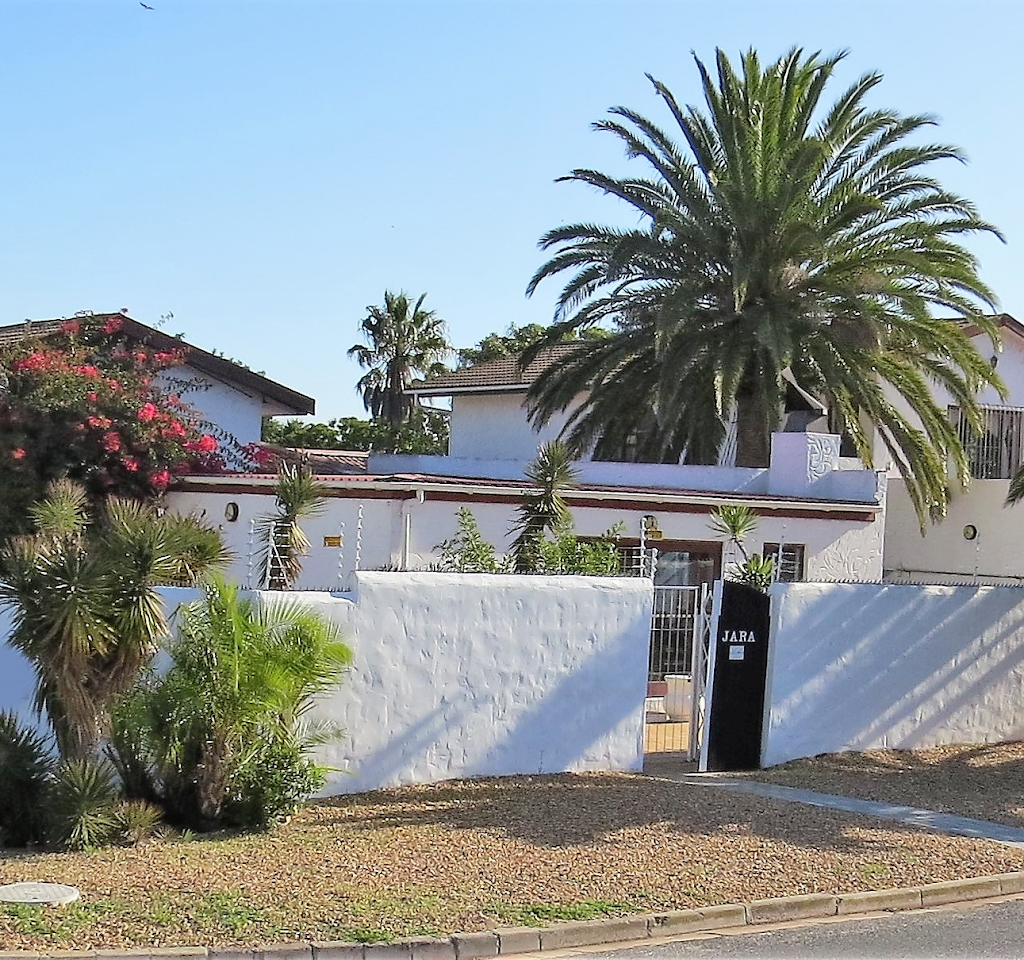
The accommodation example below illustrates the kind of option some visitors choose when aiming for flexible stays with a home-from-home feel:
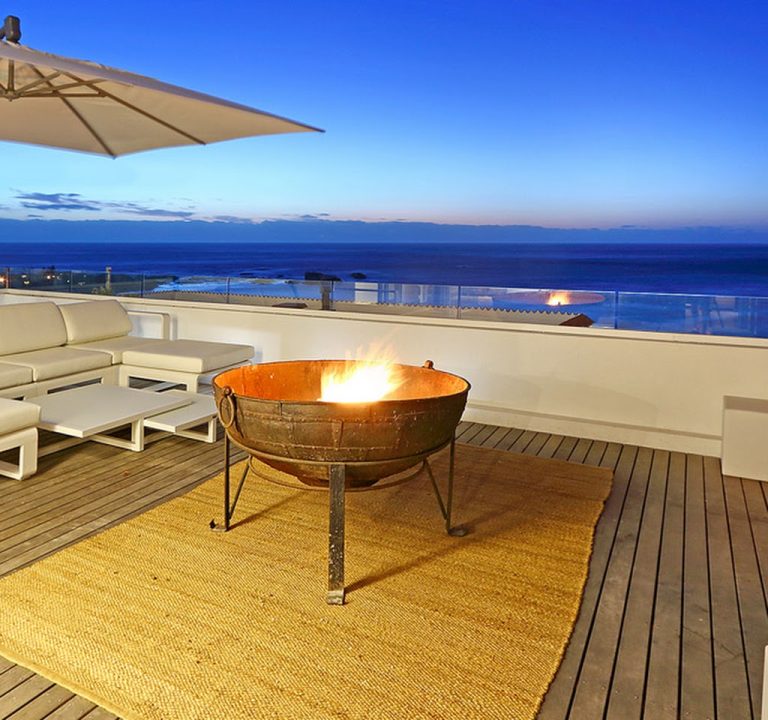
Jara Guest Lodge, a self-catering retreat in Cape Town, offers a comfortable option for travellers who prefer independence and space. With separate living areas, fully equipped kitchens, and access to local markets and attractions, it serves as a practical base for exploring the surrounding areas. The lodge’s style focuses on convenience and privacy, making it suitable for groups or families seeking a relaxed atmosphere while remaining within reach of the city’s key sights. For more information, you can visit the official website: https://www.jaralodge.co.za/.
To help you plan a balanced stay, here are a few practical tips:
- Balance a central stay with day trips to nature and wine regions to avoid excessive travel time.
- Prioritise accommodation with kitchen facilities if you expect to dine in or pack picnics for beach days.
- Check access to parking or convenient public transport, especially if you’ll be exploring hilly or coastal routes.
- Read guest reviews focusing on cleanliness, host responsiveness, and accuracy of location descriptions.
- Consider seasonal weather and crowd levels when booking restaurants and activities to avoid peak-season surcharges.
In summary, Cape Town’s varied landscapes, hospitable accommodation options and generous array of experiences make it a destination you can tailor precisely to your travel style. By choosing a neighbourhood that aligns with your plans, confirming essential amenities, and planning transport in advance, you can enjoy a memorable stay that pairs vibrant city life with the region’s natural beauty.