Accommodation and travel guide for Cape Town, Western Cape
Cape Town is a vibrant tapestry of neighbourhoods, landscapes and experiences, where stylish stays sit alongside rugged coastlines and dramatic mountain scenery. Whether you are seeking a chic city-based boutique, a family-friendly guest house, or a self-catering retreat with kitchen-ready convenience, the city offers a range of options to fit different budgets and itineraries. A well-chosen base can make it easier to explore iconic sights, discover hidden corners and enjoy the diverse food and culture that define the Mother City.
When planning a stay, consider central hubs such as the City Bowl and the V&A Waterfront for quick access to dining, museums and evening entertainment. Bellville, plus the Atlantic Seaboard towns of Sea Point and Camps Bay, provide a coastal vibe with easy links to the surrounding hills. Constantia and Stellenbosch are ideal if you want to combine a wine route with scenic drives, while neighbourhoods around Green Point and Clifton offer a more modern, cosmopolitan atmosphere with proximity to beaches and nightlife. For self-catering or guest house stays, look for options that clearly state nearby attractions, transport links and kitchen facilities if you prefer flexible meals.
What to look for when booking:
- <strongLocation and access: Proximity to transport hubs (bus routes, rail links, or major roads) and walkability to sights, shops and eateries. If you plan long days outdoors, a stay near the base of Table Mountain or close to the Atlantic coast can reduce driving time.
- <strongAmenities: Check for reliable wi‑fi, secure parking if you will hire a car, laundry facilities for longer trips, and self-catering options if you prefer to cook. For families, ask about child-friendly spaces and cribs or extra beds.
- Character and style: Cape Town offers everything from minimalist city pads to period homes with garden terraces. Consider whether you want a mountain-view terrace, a pool, or easy access to a scenic trail.
- Reviews and policies: Read recent guest feedback about cleanliness, staff helpfulness and responsiveness to queries. Look for clear cancellation policies and any extra charges for amenities or cleaning.
- Sustainability and safety: Many properties emphasise local sourcing, recycling, and energy efficiency. In high-tourism periods, check safety features and the area’s general security posture.
Typical amenities in Cape Town stays often include secure parking or easy parking permits, free Wi‑Fi, televisions with streaming capability, daily housekeeping or weekly linen changes, and well-equipped kitchens or kitchenettes. Guest houses and boutique stays may also offer communal lounges, small libraries, or curated breakfast options. If you prefer a turnkey experience, many city-based properties provide reception hours, guided activity bookings and curated welcome notes with local tips.
Transport and getting around: Cape Town’s geography means some places are easier to reach by car, while others are well connected by public transport. The MyCiTi bus network serves many parts of the city and is convenient for visitors who want to explore without driving. Uber and other ride‑hailing services operate widely, and some areas are best explored on foot or by short taxi rides from centrally located accommodation. If you are staying in a self‑catering apartment or guest house, verify on-site parking details and driving routes to popular sights, especially during peak traffic and seasonal roadworks.
Best time to visit: The city enjoys a Mediterranean climate with warm, dry summers and cooler, wet winters. Spring (September to November) and autumn (March to May) offer mild weather and fewer crowds, which is ideal for hiking and outdoor dining. Summer (December to February) brings lively beachfront scenes and long days, while winter can be a good time to find value accommodation and explore museums and indoor attractions. Weather can be changeable near the coast, so packing a light layer and sun protection is wise year-round.
Experience suggestions and planning tips:
- Consider staying near a mountain access point for easy excursions up Table Mountain or the surrounding nature reserves. Morning visits are popular, and the sightlines can be spectacular as the sun climbs over the skyline.
- Balance city days with a day trip to the Cape Peninsula or nearby winelands; many guest houses and self-catering options offer guidance or partner with local operators for tailored itineraries.
- Sample a range of dining experiences, from casual cafés and farmers’ markets to refined restaurants. In general, Cape Town’s culinary scene highlights fresh seafood, seasonal produce and South African flavours.
- Stay hydrated and prepared for sun exposure near the coast; bring a hat, sunscreen and comfortable walking shoes for long days outdoors.
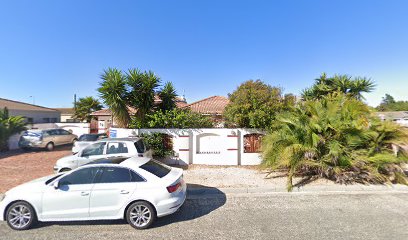
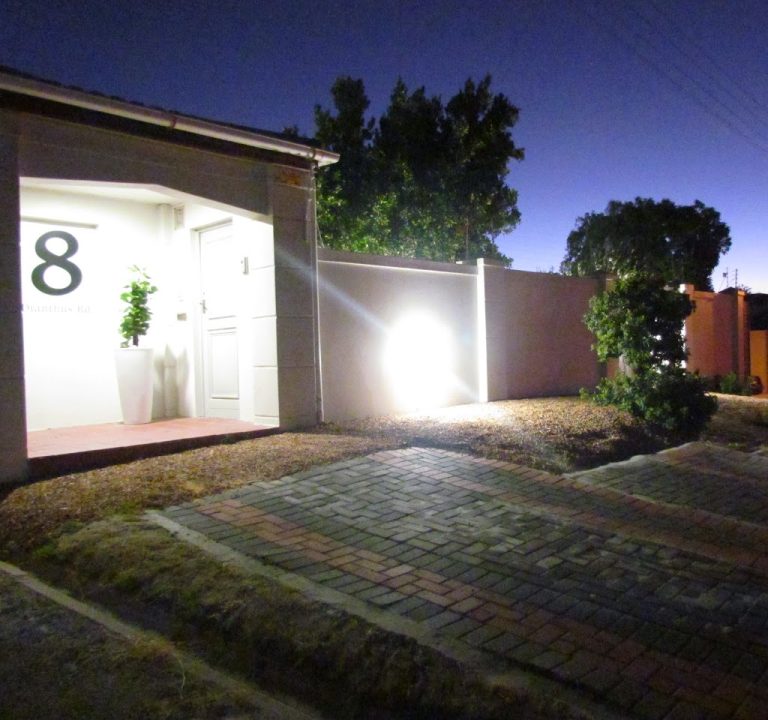
- For a stay that targets convenience and comfort, you may consider options such as Awali Lodge self‑catering apartments, which offer apartment-style accommodation with kitchen facilities and a guest house ethos. More details can be found on their official site: Awali Lodge self-catering apartments.
In summary, Cape Town rewards travellers with a wide range of accommodation styles that suit solo explorers, couples and families alike. By prioritising location, transport access and practical amenities, you can design a stay that maximises your time for exploring the city’s iconic places, discovering local eateries and enjoying the hospitality that makes a Cape Town visit memorable.