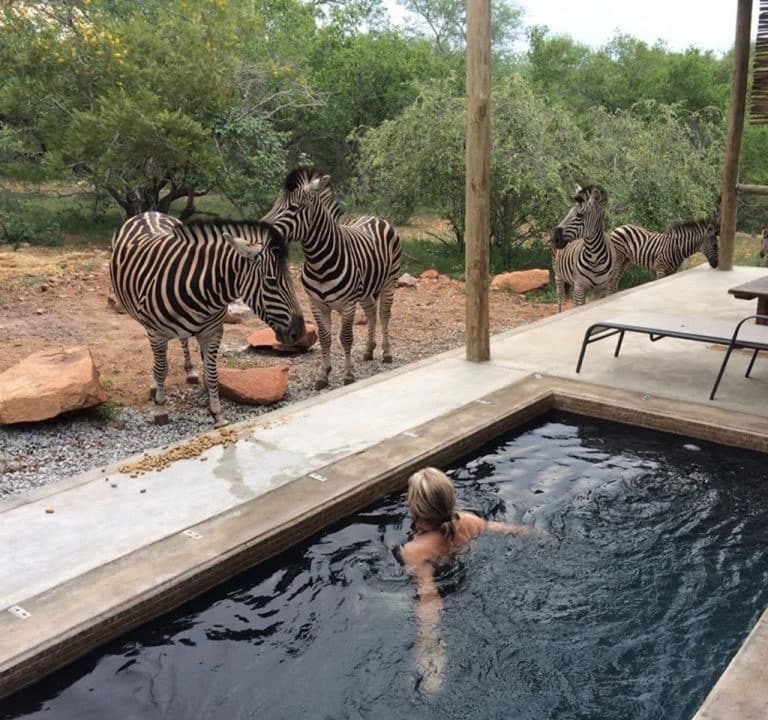
Accommodation and Experiences in Marloth Park, Mpumalanga: A Traveller’s Guide
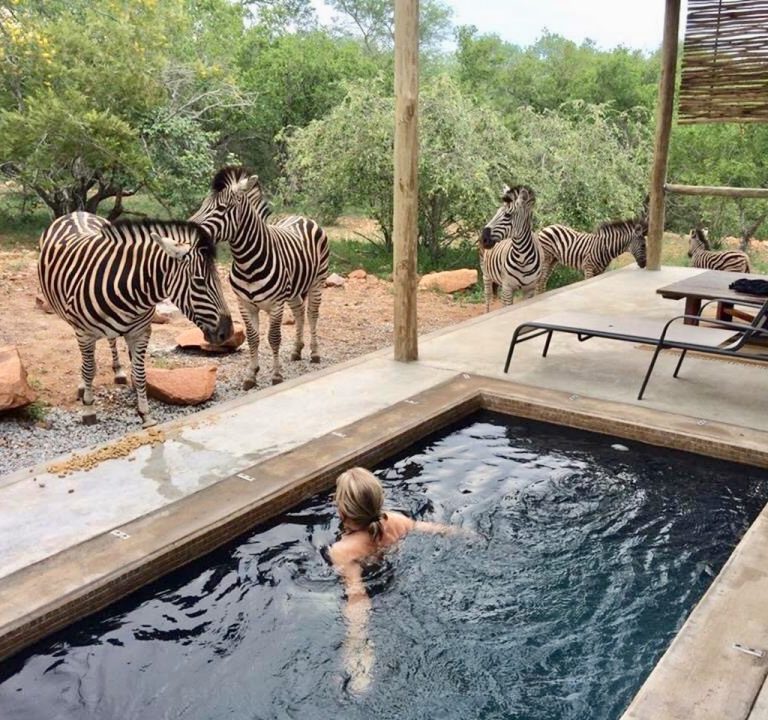
Nestled beside the Crocodile River and bordering the Kruger National Park ecosystem, Marloth Park in Mpumalanga offers a distinctive retreat where wildlife often wanders through leafy streets and verandahs. Guests typically choose self-contained lodges, villas and rustic lodges that blend with the bushveld surroundings, providing easy access to dramatic wildlife encounters while still delivering home-from-home comfort. Whether you are seeking a romantic bush break, a family-friendly longer stay, or a wildlife photography adventure, Marloth Park has accommodation to suit different budgets and travel styles.
When planning a stay, consider what area of Marloth Park will suit your itinerary. The park comprises various neighbourhoods and sections that centre around natural habitats and river viewpoints. Look for properties with easy access to the main gates and with clear directions for gate procedures, as entry rules can differ by season. Proximity to water points can influence wildlife sightings, especially in the early mornings and late afternoons when animals are most active. If you value privacy and quiet evenings, choose lodges with dense vegetation or fenced elements that still preserve the sense of immersion in the bush.
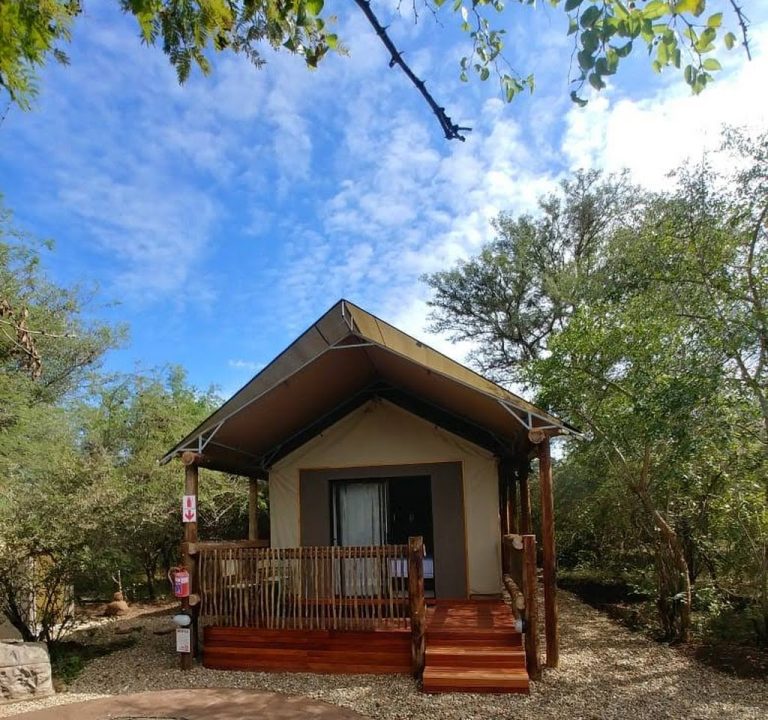
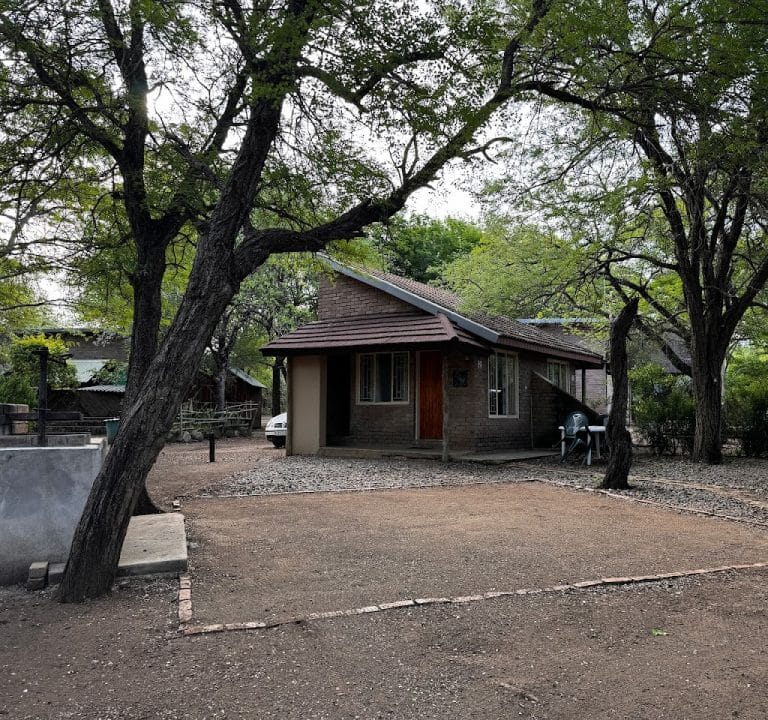
Accommodation types commonly found in Marloth Park include spacious self-catering houses, cosy cottages and elevated lodges with outdoor decks. Many homes feature outdoor braai (barbecue) areas, comfortable living spaces, fully equipped kitchens, and reliable heating or cooling to cope with seasonal changes. Verandas and al fresco dining spaces are particularly popular, as they provide unobstructed views of the surrounding wildlife and a sense of being part of the landscape without leaving your doorstep.
Facilities and amenities to look for when booking:
- Self-catering options with well-equipped kitchens and outdoor cooking spaces
- Above-average cleanliness, secure parking, and good access to the main roads
- En-suite bathrooms and comfortable bedding, with options for extra beds or cots
- Reliable hot water, air conditioning or ceiling fans, and adequate power supply
- Wi‑Fi access (where needed) and clear information on gate procedures and park rules
- On-site or nearby wildlife viewing spaces, such as viewing decks or accessible garden areas
- Permission for guided game drives or organised bush experiences, if offered
Transport within Marloth Park is typically car-based. Most visitors arrive by private vehicle or rental car, and having your own transport makes it easier to explore at dawn and dusk. It is common for guests to drive to the park gate for entry into adjoining areas, and some properties can arrange guided walks or drives through local operators. If you plan to visit Kruger National Park from Marloth Park, budget time for gate queues and the drive between the two areas, while enjoying the scenery along the way. Packing a basic in-car first aid kit, water, sun protection and layers for cool mornings will help you stay comfortable on long safari days.
The best time to visit Marloth Park largely mirrors the broader Mpumalanga safari calendar. The dry season from May to September often offers excellent wildlife viewing, with animals gathering around water sources and vegetation thinner than in the wet season. Daytime temperatures can be mild, while mornings and evenings may require light to medium layers. The summer rainy season, from roughly November to March, brings lush landscapes and occasional downpours; this period can add dramatic skies and vibrant birdlife, though viewing conditions may be more variable and roads occasionally muddy. Always check recent weather and road conditions, especially after heavy rains.
Practical tips to enhance your stay:
- Respect wildlife and local rules: keep a safe distance from animals, never attempt to feed wildlife, and follow guidance from your host or lodge staff regarding vehicle speed limits and encounter protocols.
- Plan early for bush experiences: if you want a guided game drive, guided walk, or a night drive, book ahead where possible, as operators in the area can be limited and popular sessions fill quickly.
- Self-catering safety: store food securely and dispose of waste properly to avoid attracting wildlife to your accommodation at night.
- National park considerations: if you intend to visit Kruger or other reserves, ensure you have the appropriate permits or passes, and observe gate opening times and any permit rules.
- Lighting and electricity: prepare for occasional power outages; some lodges provide generators or solar backup to minimise disruption.
- Connectivity: mobile signal can be variable in rural bush settings. If you depend on connectivity for work or navigation, plan accordingly or confirm specific coverage with your host.
For a comfortable base with good access to nature, consider established properties such as Jackalberry Ridge By Dream Resorts. Their official site offers details on accommodation features and location within Marloth Park, along with practical information to help you plan a stay that balances bush experiences with home comforts. When selecting a place to stay, read recent guest reviews to gauge consistency in cleanliness, responsiveness, and the quality of wildlife viewing opportunities. Marloth Park rewards travellers who pace their days to early mornings and late afternoons, when the bush feels most alive, with a memorable blend of comfortable lodgings and immersive nature experiences.
In addition to wildlife viewing, Marloth Park offers easy access to nearby dining options and casual eateries where you can enjoy a relaxed meal after a day in the bush. While specifics vary, most visitors appreciate a mix of self-catering convenience and lodge or resort dining that supports a comfortable, flexible itinerary. For a complete planning guide and up-to-date information, visiting the accommodation provider’s website is a good starting point. Links to trusted accommodation sites and local activity operators can help you assemble a well-rounded itinerary, from early dawn safaris to sunset river vantage points and peaceful evenings beneath the stars.