Johannesburg: where to stay, what to see, and how to plan your visit
Johannesburg, often simply called Jo’burg or Jozi, is a cosmopolitan hub with a vibrant mix of history, culture, and contemporary urban life. When planning a stay, think about the area that best matches your interests, from buzzing city centres and stylish neighbourhoods to leafy suburbs and heritage-rich townships. A well-chosen base can make day trips to nearby attractions straightforward and enjoyable, while a comfortable room with practical amenities can turn a good stay into a great one.
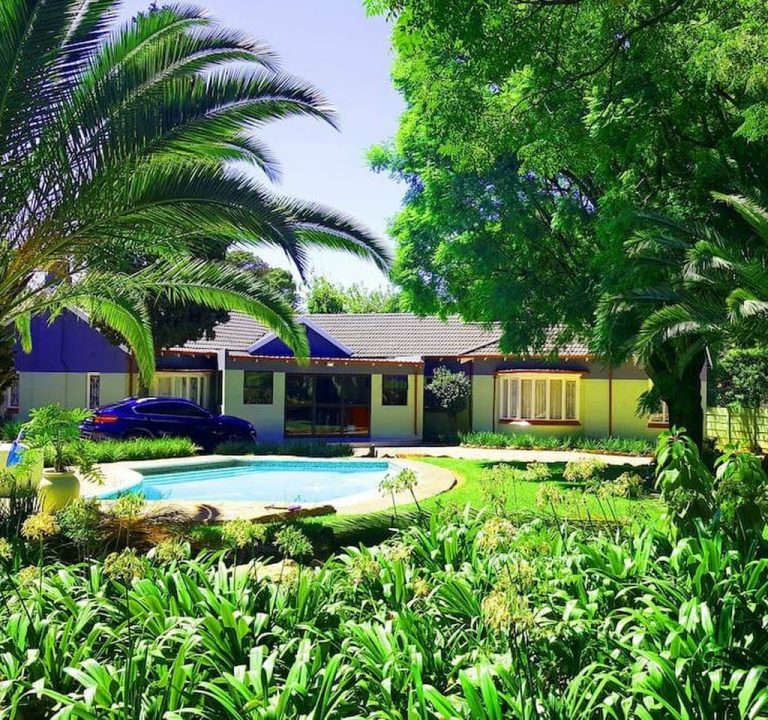
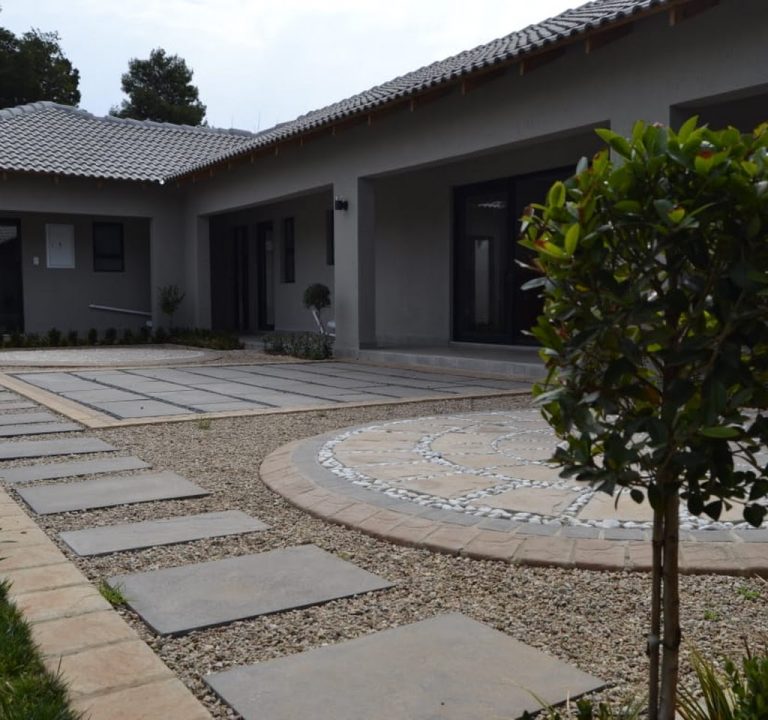
Accommodation in Johannesburg ranges from boutique hotels and modern lodges to guesthouses and larger hotels with conference facilities. Many properties focus on warmth and personal service, offering en-suite rooms, free Wi‑Fi, on-site dining options, secure parking, and 24-hour reception. For families or longer stays, self-catering suites and serviced apartments provide flexibility, while lodges and guesthouses tucked away in quieter streets can offer a calmer atmosphere after busy days in the city.
When you book, consider the following factors to ensure a smooth stay. Location matters more than you might realise: staying near a major transport hub makes it easier to explore beyond the hotel, while a peaceful neighbourhood with easy access to parks and eateries can be ideal for a relaxed weekend. Check what’s included: self-catering facilities, breakfast options, and whether a property offers a shuttle service or easy access to public transport. Read recent guest reviews to gauge cleanliness, safety, and the responsiveness of staff. If you’re travelling with family or a group, a room configuration that suits sleeping arrangements and privacy is worth considering.
Popular areas to consider for accommodation include:
- Central and business districts, which keep you close to museums, theatres, and a lively dining scene.
- Sandton and Rosebank, known for high-end shopping, cosmopolitan restaurants, and easy access to the Gautrain for day trips.
- Braamfontein and Newtown, emphasising culture, street art, and a lively nightlife.
- Maboneng Precinct and inner-city fringe areas, offering creative spaces, markets, and urban eateries.
- Soweto, for a deeper dive into South Africa’s history and authentic township experiences.
- Melville and Greenside, which offer a more residential vibe with independent cafés and bars.
Typical amenities to look for include air conditioning or heating as appropriate for the season, reliable hot water, comfortable bedding, and a quiet room. A well-equipped kitchen or kitchenette is handy for longer stays, while parking security and convenient access to public transport can save time and stress. If you will be out late, ask about security measures and lighting around the property. For travellers seeking a local flavour, a short stroll to nearby cafés and eateries can be a highlight, so check a place’s walking distance to the best-loved neighbourhood spots.
Transport options in Johannesburg are varied and can influence how you move around. The city has an extensive road network and growing rail links, including the Gautrain, which connects Johannesburg to Pretoria and the O.R. Tambo International Airport, making day trips to nearby towns straightforward. Local taxis, ride-hailing services, and bus routes provide flexibility, while some accommodation options offer airport shuttles or shuttle services to popular districts. If you plan to self-drive, ensure secure parking and be prepared for urban traffic patterns, especially at peak times and in busy districts.
The best time to visit Johannesburg is generally from late spring to autumn (October to April), when the days are longer and outdoor activities are appealing. Summer can bring afternoon thunderstorms, while winter offers cooler, dry days with clear skies that are ideal for exploring outdoor markets and parks. If you are visiting during festive periods or major cultural events, book early and be mindful that hotel prices can rise and popular restaurants fill quickly.
Attractions and activities span museums and galleries, historic sites, and outdoor spaces. In the city itself, you’ll find notable museums, markets, and architectural highlights that tell stories from the country’s past and present. For a broader sense of the region, day trips to nearby landmarks and township heritage experiences offer a balanced perspective on South Africa’s diversity. Dining ranges from refined cuisine to lively casual eateries, with many places emphasising contemporary South African flavours alongside international influences. When planning, set aside time to explore neighbourhoods on foot or via a guided urban excursion to understand local life and to discover hidden gems beyond the main sights.
Practical tips to help you enjoy a relaxed stay:
- Book in advance for popular periods and consider a flexible rate in case plans change.
- Choose accommodation with good security, reliable Wi‑Fi, and clear information about access to public transport.
- Pack a small travel adaptor and keep a copy of important documents in your luggage.
- Sample a mix of neighbourhoods to experience different atmospheres and dining options.
- Respect local customs and be mindful of personal safety, particularly when exploring late at night.
- Check the property’s cancellation policy and any requirements for deposits or preauthorisations.
Whether you’re seeking a quiet base from which to discover Johannesburg’s museums and parks, or a lively hub that puts you in the heart of street art and dining scenes, the city offers a range of accommodation to suit every style and budget. With thoughtful planning—considering area, amenities, transport, and timing—you can craft a stay that not only anchors your itinerary but also enhances your overall South African travel experience. For those considering a specific lodging option such as Jacaranda Lodge or similar establishments, it’s worth reviewing guest feedback and recent updates to ensure it aligns with your comfort and logistics preferences.