Newcastle, KwaZulu-Natal: where to stay and what to do
Newcastle sits inland in KwaZulu-Natal with a relaxed, friendly atmosphere and a landscape that combines rolling hills, open plains and convenient access to the province’s historic sites. When planning a stay, consider choosing accommodation that fits your planned pace—whether you want easy access to the town centre, a quiet base on the outskirts, or a base from which to explore the surrounding countryside. Guesthouses and B&Bs are common in Newcastle, offering a personable, home-from-home experience with often generous breakfast options and useful local tips from hosts.
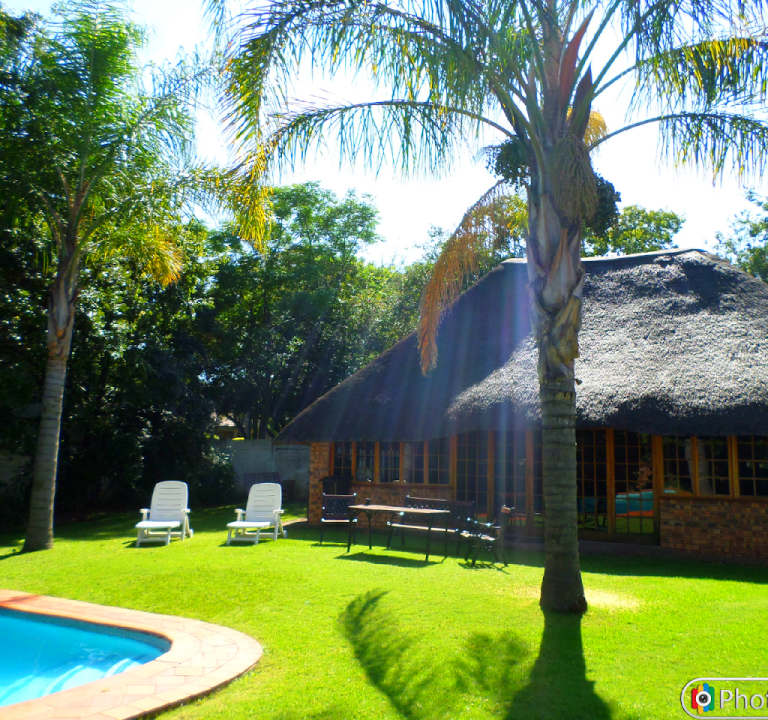
Accommodation options in Newcastle typically range from modest guesthouses to more substantial B&Bs and small lodges. In town, you’ll find properties that prioritise comfort and convenience—think well-appointed rooms, friendly service, and proximity to shops, cafés and cultural sites. On the outskirts, you may discover hillside guesthouses or lodges with panoramic views and a calmer setting, sometimes with larger grounds or even a pool. If you’re travelling with family or a small group, look for family rooms or suites, parking on site, and easy access to the main routes that connect Newcastle to neighbouring towns and the Drakensberg region.
When choosing where to stay, consider the following areas and what they offer:
- Central Newcastle: Walkable access to shops, markets and cafés, with a range of guesthouses and B&Bs that provide hearty breakfasts and practical amenities.
- Suburban or hillside areas nearby: Often offer more tranquil surroundings, scenic views, and comfortable en-suite rooms, sometimes with outdoor spaces or verandas.
- Outskirts or rural routes: For those seeking a peaceful retreat, these locations can provide larger properties, nature‑forward settings and easy access to nearby countryside routes for day trips.
Typical amenities to look for include private en-suite bathrooms, reliable Wi-Fi, secure parking, air conditioning or fans for hot nights, and in-room tea- and coffee-making facilities. A good guesthouse or B&B may also offer a pool, communal living spaces, and guest-led dining experiences or recommendations for local eateries. If you rely on mobility options, check whether the property is easy to reach by car, and whether it offers transport assistance or parking security. For longer stays, a kitchenette or access to a shared kitchen can be a real benefit.
Booking tips to help you secure a comfortable stay:
- Book with flexible cancellation terms where possible, especially in shoulder seasons when rates are more variable.
- Read recent reviews focusing on cleanliness, hospitality, and the accuracy of the listing photos and descriptions.
- Check distance to your planned activities. Newcastle’s attractions range from museums and markets to scenic viewpoints and nearby nature reserves, so plan travel times accordingly.
- Consider the season. The climate in KwaZulu-Natal can be warm in summer and cooler in winter; packing layers is wise, and an indoor space with heating or a fireplace can be a welcome comfort in cooler months.
Transport and getting around: a car is the most practical option for exploring Newcastle and its surrounds, giving you the freedom to visit nearby towns, historic sites and day-trip destinations at your own pace. If you don’t drive, verify whether your accommodation offers a shuttle service or can arrange trusted local transport. Within the town, taxis and ride-hailing services are commonly available, but plan for the possibility of longer gaps between services outside peak hours or away from the town centre.
Best time to visit Newcastle depends on your priorities. Summer (roughly November to February) brings warm days and occasional afternoon showers, ideal for outdoor activities and markets. Winter (June to August) is cooler and crisp, perfect for long walks and cosy evenings in guesthouses with a fireplace or heaters. The transitional seasons offer pleasant weather for exploring the surrounding countryside and enjoying local cuisine at a relaxed pace. If you’re including day trips to the Drakensberg foothills or nearby battlefields, plan for longer drives in the mornings or afternoons when traffic is lighter and visibility is better for scenic views.
What to do and where to eat, in broad terms: Newcastle has a compact town core with cultural and historical insights, as well as parks and outdoor spaces for strolling or picnicking. Museums and local heritage sites provide context to the area’s story, while markets and eateries offer opportunities to sample everyday South African flavours in a friendly setting. After a day out, seek out casual restaurants and diners that serve generous portions and uncomplicated dishes—great for refuelling before another day of discoveries. For evenings, many guesthouses host social spaces or offer recommendations for nearby eateries and venues where you can enjoy a relaxed meal or a quiet drink.
If you’re researching stays around Newcastle, you may come across Izinga Guest House as an example of the local hospitality scene. While specific details and current offerings should be confirmed directly with any property, such guesthouses typically emphasise personal service, comfortable rooms and a convenient base from which to explore northern KwaZulu-Natal. For planning purposes, consider how such a stay would fit with your itinerary, transport arrangements, and the type of experiences you’d like to prioritise during your visit.
Finally, keep a few practical tips in mind. Confirm parking arrangements and street access, particularly if you’ll arrive late or have a lot of luggage. Pack adaptively for mixed weather and bring a phone charger and a portable power bank for day trips. If you’re travelling with sensitive dietary requirements, communicate these with your host ahead of time so they can advise on suitable meal options. With thoughtful planning, Newcastle can offer a comfortable, convenient base from which to enjoy KwaZulu-Natal’s inland hospitality, natural beauty and cultural highlights.