Newcastle, KwaZulu-Natal: Where to Stay and What to Experience
Newcastle in KwaZulu-Natal blends rich history with scenic surroundings, placing visitors within easy reach of both urban amenities and outdoor escapes. When planning a stay, consider a few practical angles to make the most of your visit: where you base yourself, what you look for in accommodation, how to move around, and what to do in and around town. For those seeking a homely base with character, guesthouses and B&Bs offer a friendly, locally informed flavour without sacrificing comfort.
Areas to consider for a stay in Newcastle vary in character. The town centre typically provides convenient access to shops, eateries, and hospitals, making it a practical choice for travellers who prefer compact convenience and a lively atmosphere. Suburban pockets and cluster towns nearby can offer quieter streets, larger rooms, and garden settings. If you’re drawn to a rural or hillscape backdrop, look for properties perched on higher ground or with views over the surrounding countryside. When choosing an area, think about the pace you want: a central location for easy sightseeing and dining, or a quieter spot from which to unwind after daily excursions.
Accommodation in Newcastle runs from traditional guesthouses to modern boutique stays. In a guesthouse or B&B, expect a personalised welcome, a home-cooked or substantial breakfast, and spaces that feel lived-in rather than corporate. Typical amenity kits may include en-suite bathrooms, free Wi‑Fi, secure parking, and common areas for relaxed evenings. If you’re planning to move around by car, check that parking is on-site and easy to access; for walkers and cyclists, a property with pleasant exterior spaces or a courtyard can be a real treat.
When booking, think about a few practical checks to secure a comfortable stay. Look for clear cancellation policies, transparent pricing (including any additional charges for meals or parking), and photos that honestly reflect the room size and layout. Verify whether air conditioning or heating is available, as Newcastle’s climate can vary with the seasons. If you value a sociable morning routine, a guesthouse that offers breakfast in a shared dining area can be ideal. If you prefer privacy, consider self-contained units or rooms with separate entrances. Always confirm the access arrangement if you’re arriving late or leaving early.
Transport options in and around Newcastle are straightforward, with main roads linking to nearby towns and rural routes that wind through the countryside. If you plan to explore wider KwaZulu-Natal, having a car is convenient, though some hotels and guesthouses provide shuttle services or can help arrange local transfers. For shorter stays, taxis or rideshare services can be practical, especially if you want to dine out without worrying about parking. If you’re just passing through, a well-situated base near the town centre can minimise daily travel while still allowing for day trips into more rural landscapes or historic sites nearby.
Best time to visit Newcastle depends on what you’re after. The region experiences a varied climate, with warmer summers and cooler winters. Summer can be lively with outdoor dining and events, while autumn and spring bring milder days ideal for sightseeing, hiking, and relaxed strolls. Winter is a good period for quieter streets and lower rates, though it can be cooler, so ensure your accommodation has heating. Plan ahead for peak periods around holidays or local events, and consider midweek stays if you’re looking for better value and more availability.
Practical tips to maximise your stay:
- Book a guesthouse or B&B with a strong emphasis on comfort and good reliability—cleanliness, responsive hosts, and consistent Wi-Fi can make or break a stay.
- Ask about breakfast options, parking arrangements, and any local knowledge on walking routes or safe areas for evening strolls.
- Check room configurations to suit your party, especially if you need extra beds or a family-friendly layout.
- Consider meal flexibility—some properties offer guest kitchens or dining rooms where you can enjoy a home-cooked evening meal.
- Verify accessibility if you have mobility considerations or luggage requirements—ground-floor rooms and step-free access can be important.
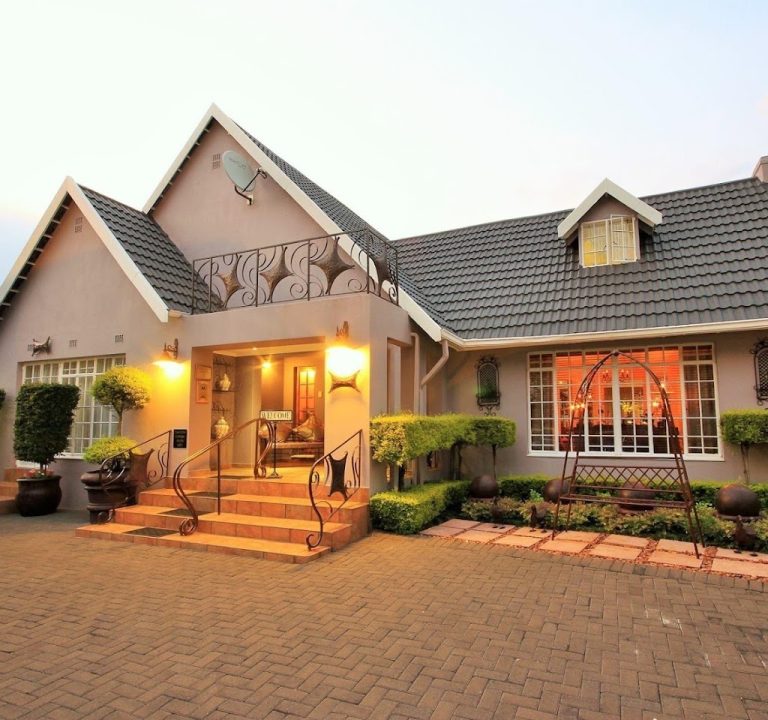
For inspiration on a stay with character, you might explore a guest house such as The Loerie House, a property listed as a guest house option in the area. It can be worth visiting the property’s official site for current room types, availability, and service details at a dedicated booking page: The Loerie House – Booking Page.
Attractions and experiences in and around Newcastle tend to span history, nature, and local culture. Visitors can expect museums or historic sites that illuminate the region’s past, as well as green spaces and country trails ideal for day walks. Within town limits, you’ll find shopping streets, cafés, and casual dining that showcase KwaZulu-Natal hospitality. For a broader day out, consider nearby natural scenery or heritage sites, where guided tours or self-guided routes offer perspective on the area’s geology, landscape, and settlement history. In terms of dining, Newcastle offers a variety of eateries that cover traditional and contemporary preparations—good spots usually prioritise fresh, local ingredients and a relaxed, family-friendly atmosphere.
When you plan your itinerary, blend a few solid bases with flexible days. Start with a couple of nights in a central base and allow room for a countryside stay if you crave a more tranquil backdrop. Engage with the local hospitality scene to uncover navigation tips, seasonal events, and dining suggestions that may not be listed in guidebooks. With thoughtful planning, Newcastle provides a warm, approachable base from which to explore KwaZulu-Natal’s landscapes, history, and hospitality.