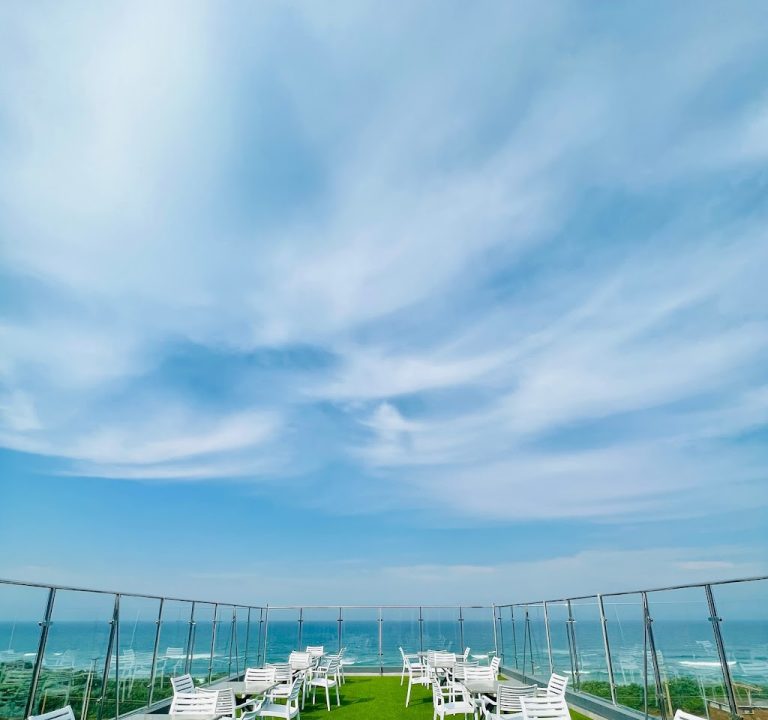
Durban: where to stay and how to plan your visit
Durban in KwaZulu-Natal offers a diverse mix of accommodation, from chic boutique B&Bs to larger hotels and guesthouses overlooking the Indian Ocean. When planning a stay, it pays to think about what you want from your visit: a beach-forward break, easy access to the city’s vibrant markets, or a base convenient for day trips along the coast and inland scenery. Durban’s climate is subtropical, so consider the seasons: the summer months are warm and humid with frequent showers, while winter is mild and often sunny, making it a comfortable retreat at any time of year.
Neighbourhoods to consider include the beachfront precincts, where many boutique properties are perched with sea views and easy access to the promenade. Other popular areas cluster around the central business district and the historic neighbourhoods near the riverfront, which often provide more budget-friendly options and a sense of character. If you are visiting with family or a group, larger guesthouses and small hotels slightly inland can offer generous rooms and common spaces, making it easy to socialise or simply relax after a day of exploring.
Booking tips to help you secure a pleasant stay include prioritising verified properties with recent guest reviews, checking cancellation policies, and noting what amenities are most important to you. Look for reliable air conditioning or good ventilation in hotter months, reliable hot water, free Wi‑Fi, and secure parking if you plan to hire a car. Some B&Bs and guesthouses in Durban pride themselves on personalised service, with hosts who can point you to local experiences and hidden gems. If you are drawn to a specific area, read a few recent reviews to gauge how well the property aligns with your needs, such as proximity to the beach, access to public transport, or the ease of wandering to local eateries after dark.
Typical amenities across Durban’s accommodation spectrum often include en-suite bathrooms, comfortable lounges or communal areas, and in many cases breakfast options that range from continental to full local staples. Some properties offer additional touches such as outdoor seating areas, pools, and manicured gardens – a welcome pause after a day of sightseeing. If breakfast is important to you, check whether it is included in your rate and whether it can be tailored for dietary requirements. For longer stays, inquire about laundry facilities and whether housekeeping is offered daily or on alternate days.
Transport in Durban is straightforward but differs by neighbourhood. With a car, you’ll have the most flexibility to explore beaches, markets, and inland sights such as nature reserves. If you prefer public transport, many accommodation providers are located within short walks of major bus routes and taxi services. Walking and cycling along the promenade is a pleasant option in good weather, while ride-hailing apps provide a convenient way to move between neighbourhoods, beaches, and nightlife districts after dark. For visitors staying near the coast, a morning stroll along the sands and a sunset beach walk can be a memorable ritual before dinner.
Best time to visit Durban tends to be from late spring through autumn, when the weather is warm and sea breezes are common. Summer holidays bring a lively rhythm to the city, with markets, street food and outdoor events, while shoulder seasons can offer quieter streets and more affordable accommodation. If you enjoy seafood, coastal restaurants and markets are particularly appealing after a day near the water. Winter, though cooler, can still be bright and pleasant, making it ideal for exploring museums, markets, and nearby natural attractions without the peak-season crowds.
Practical tips to help you get the most from your Durban stay:
- Read recent guest reviews to gauge cleanliness, service, and accuracy of property descriptions.
- Ask hosts or hotel staff for local recommendations on safe neighbourhoods, especially in the evening, and for preferred dining areas that suit your dietary needs.
- Plan ahead for big attractions by checking opening times and peak periods to avoid long queues.
- Consider a mix of stays—one night near the beachfront and another inland—to experience different facets of the city.
- Pack light layers for variable coastal weather and a sunhat for daytime sun protection, even in cooler months.
In terms of attractions and experiences, Durban offers a range of visitor-friendly options that are generally suitable for most travellers. Expect opportunities to stroll along the Indian Ocean promenade, wander vibrant markets with crafts and street food, and sample contemporary and traditional cuisine in a variety of eateries. Museums, galleries, and cultural centres provide insights into the region’s rich history and multicultural influences. For a relaxed day trip, you might consider coastal drives or short excursions to nature reserves or wildlife experiences nearby. When choosing a place to stay such as IPANEMA, a bed & breakfast option can offer a more intimate experience with a focus on comfort and local hospitality, often including a thoughtful, home-like breakfast to start your day.
Planning a Durban stay is about balancing location, comfort, and access to the city’s varied offerings. With careful selection of where you base yourself, travel time can be minimised and experiences maximised, leaving you free to enjoy the warm hospitality, coastal charm, and diverse dining that Durban has to offer. For inspiration and practical planning resources, you can explore Tourism Durban’s information hub or browse reputable travel guides and property websites that feature guest reviews and detailed descriptions of rooms, breakfasts, and nearby attractions.