Durban: Where to stay, what to do and how to plan a memorable visit
Durban, a harbour city on KwaZulu-Natal’s east coast, offers a warm subtropical climate, a lively coastline and a rich blend of cultures. Whether you’re seeking a beachfront boutique stay, a comfortable family-friendly hotel, or a graceful conference venue, Durban’s accommodation options span city centre hubs, coastal neighbourhoods and leafy suburbs. When planning a stay, start by asking what you want from your visit: easy beach access, a方便 base for exploring the province, or a quieter retreat with good transport links. Durban’s journey-from-beach vibe to up-country scenery is convenient thanks to a well-connected road network and a reasonably short drive to scenic inland villages and game reserves.
Durban’s accommodation tends to cluster in a few distinct areas, each offering a different flavour:
- Golden Mile and central beachfront: ideal for sun-seekers and first-time visitors who want immediate access to the sea, pedestrian promenades and rapid access to restaurants and entertainment.
- South Beach and Blue Lagoon corridors: popular with families and travellers seeking longer walks along the coast, with affordable stays and convenient amenities.
- Durban North and Musgrave/Point areas: a mix of residential calm, boutique stays and easy access to parks, cafés and shopping.
- Umhlanga and Umhlanga Rocks: a north coast hub with a higher concentration of modern hotels, serviced apartments and fine dining, popular with visitors looking for a slower pace and coastal scenery.
- Durban CBD and the surrounding inner precincts: for business travellers or those who want to immerse themselves in urban life, with more affordable options and proximity to attractions.
When booking, consider the following practical factors. Look for clear access to the beach or a short walk to the sea, a comfortable room with good ventilation (Durban’s heat and humidity can be tangible in peak season), and reliable air conditioning. Check for a reliable Wi‑Fi connection if you plan to work remotely or stay in touch with family. For families, verify family-friendly amenities such as interconnecting rooms, child-friendly spaces, and safe street lighting in the surrounding neighbourhood. If you’re travelling by car, confirm on-site parking or nearby parking options; Durban’s traffic can be congested in peak periods, particularly around popular beaches and city events.
Typical amenities that travellers in Durban look for include a welcoming reception area, a secure environment, and a reasonable breakfast offering. Many properties provide a pool, on-site dining or easy access to nearby eateries and markets. A few may offer conference facilities or event spaces, which can be valuable for business trips or gatherings. If you’re exploring boutique stays, read guest reviews for insights into service levels, location convenience, and any local touches that make a property special. For longer stays, consider a self-catering option or a serviced apartment, which can provide more space and kitchen facilities for visitors who prefer to dine in at times.
Transport and getting around are straightforward in Durban. The city has a coastal road network that makes beach walks and promenade exploration pleasant. Within urban areas, taxis and ride-sharing services are commonly used; some hotels can arrange airport transfers or local shuttle options. If you’re comfortable driving, a car offers flexibility to reach inland attractions or to chain day trips with ease. For those who prefer not to drive, many accommodation options offer convenient access to taxi services or nearby transit hubs, as well as proximity to ride-sharing pick‑up points.
Best time to visit Durban tends to be in the warmer months when outdoor activities are most enjoyable. The city enjoys long sunny days, with a lively beachfront atmosphere in summer. Shoulder seasons can be ideal for travellers seeking milder weather and fewer crowds, while winter remains relatively mild compared with many other regions. If you plan to visit inland attractions or nature reserves, a little planning around day trips helps maximise daylight hours and travel comfort.
Things to do beyond the beach include exploring the city’s cultural districts, markets, and culinary scenes. Durban is known for its diverse dining landscape, ranging from casual eateries near the sea to more refined venues inland. Look for experiences that offer a taste of local flavours, coastal views, or a flavour of KZN hospitality. For families or groups, a day at a large aquarium, a visit to nearby nature reserves, or a ride to nearby hills and viewpoints can complement a beach-based itinerary. In addition, Durban often hosts events and festivals that celebrate music, food and culture, which can be wonderful to include in a visit if your timing aligns with the calendar.
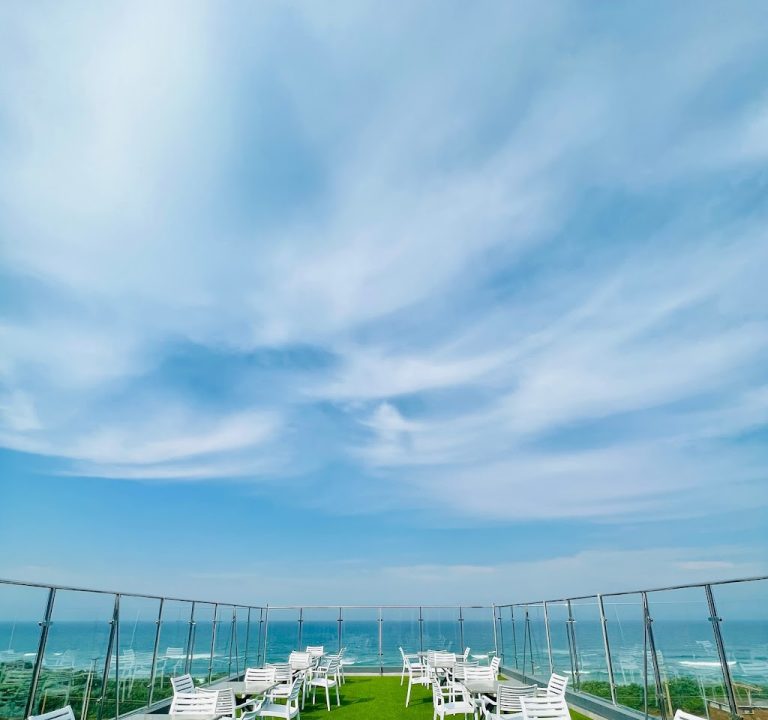
Accommodation such as 12 Oceans Hotel and Conference Centre provides a reference point for what a mid‑ to upper‑range stay in Durban can look like, with an emphasis on comfort, accessibility and business-friendly features. While specific amenities and services vary by property, you can generally expect well‑equipped rooms, reliable housekeeping, and convenient access to conference facilities or event spaces. Always consult the property’s official website for the most up-to-date information on rooms, how to book, and what’s included in your rate.
Practical planning tips to keep in mind: book ahead during peak travel periods such as school holidays and major events; check cancellation policies and whether breakfast or parking is included in your rate; read recent guest reviews for any seasonal feedback about climate comfort, noise levels, or nearby construction. Pack light clothing, a swimsuit, a light jacket for cooler evenings, and comfortable walking shoes for city exploration. Finally, consider planning a few flexible day trips to explore the scenic inland routes and the broader KwaZulu-Natal province to make the most of your Durban stay.