Queenstown, Eastern Cape: Accommodation and Traveller Experiences
Queenstown, a historic town tucked into the rolling hills of the Eastern Cape, offers a calm base for visitors exploring the region’s landscapes, history, and rural hospitality. For travellers seeking a guest house atmosphere with thoughtful touches, Inkwenkwezi 2 presents an example of how a stay can feel both intimate and convenient. Accommodation in Queenstown ranges from modest guest houses to comfortable inns and small hotels, many with easy access to the town’s central precinct, parks, and the surrounding countryside.
When planning where to stay, consider the character of each neighbourhood. The central area is convenient for those who want to walk to shops, eateries, and historic architecture, while outlying streets often provide a quieter environment and larger gardens. If you value a sense of history and a friendly, personalised approach, a guest house or B&B can offer a warm welcome, typically including breakfast and in-house recommendations. If you need more space or privacy, self-contained units or small boutique hotels may suit families or groups better, with options ranging from compact studios to airy suites.
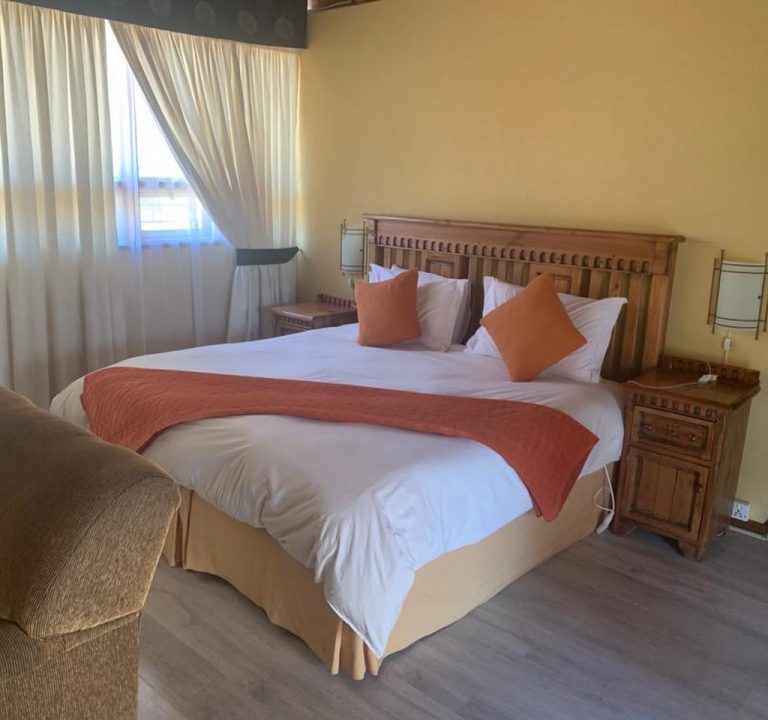
Booking considerations start with size and layout. Check how rooms are configured—whether en-suite facilities are present, if there is a private entrance for late arrivals, and whether there is off-street parking. Inkwenkwezi 2, as a guest house option, can illustrate the appeal of compact, thoughtfully designed spaces that balance comfort with a home-from-home feel. Look for air conditioning or efficient heating, particularly in shoulder seasons, and ensure you understand the level of housekeeping, linen changes, and the availability of Wi-Fi throughout the property.
Typical amenities across Queenstown’s accommodation spectrum include breakfast inclusion, secure parking, and friendly staff who can provide local tips. Some establishments offer on-site lounges, verandahs with views, or shared kitchen facilities for guests who appreciate a social, resourceful stay. If you travel by car, confirm proximity to main routes and the availability of easy access in and out of town. For those relying on public transport or occasional rideshares, check the nearest taxi rank or bus stops and whether the property can arrange transfers or provide guidance on options.
Accommodation in Queenstown is well placed to serve as a launchpad for day trips. You may wish to explore nature reserves or river walks nearby, enjoy a photographic morning in the surrounding hills, or drive to surrounding small towns and farms to sample regional hospitality. While exact attractions and dining options are best confirmed closer to your visit, many guests appreciate properties that can offer practical planning assistance—such as maps, current opening hours for local amenities, and seasonal recommendations for outdoor activities.
Best time to visit Queenstown tends to align with the Southern Hemisphere seasons. Spring (September to November) brings milder temperatures and budding scenery, while autumn (March to May) offers pleasant weather and clear light for outdoor exploration. Winter (June to August) can be cooler, particularly at night, but quiet streets and cosy guest house lounges create a snug retreat. Summer (December to February) brings longer days and opportunities for longer countryside walks and outdoor meals, though showers are possible. It is worth checking local events calendars in advance, as regional markets, agricultural shows, or cultural gatherings may influence availability and room rates.
Transport within and beyond Queenstown is typically straightforward. A vehicle is the easiest way to access surrounding viewpoints and towns, but local taxis or rideshares can serve short trips into town or to nearby attractions when needed. If you plan day trips, having a rental car or arranging a guided tour can maximise your time and allow for flexible itineraries. For guests staying at a guest house like Inkwenkwezi 2, easy directions from the town centre and clear guidance on parking arrangements can make arrival smoother, particularly after long journeys.
Dining and casual meals during a stay often feature regional, home-style cooking. Many guest houses and smaller hotels offer breakfast options that showcase local produce and traditional flavours, with additional recommendations for nearby cafés and casual eateries. When exploring eateries, consider trying places that emphasise fresh, seasonal ingredients and produce from nearby farms. If you’re planning more elaborate dinners or wine-tasting experiences, you can check with your host for current suggestions and any seasonal menus that reflect the area’s culinary character.
Practical tips for a smooth visit:
- Book early for peak periods or during local events to secure preferred rooms and rates.
- Ask about breakfast times, kitchen access, and any on-site facilities such as lounges or outdoor seating areas.
- Confirm parking arrangements and gate codes if staying in a guest house with restricted access after hours.
- Request a short local guide or map from your host, including walking routes and nearby viewpoints.
- Check cancellation terms and weather-related policies, especially for shoulder seasons.
- Pack layers, as coastal breezes and highland temperatures can vary, even within the same day.
- Look for properties with robust Wi-Fi if you need to work remotely or stream content during your stay.
For further inspiration and practical planning, explore official tourism resources and reputable travel guides, which provide broader context about the Eastern Cape and Queenstown’s place within it. Visiting with a sense of curiosity about small-town hospitality, local landscapes, and the rhythms of daily life can lead to a rewarding stay. Whether you choose a cosy guest house like Inkwenkwezi 2 or a similarly intimate option, Queenstown offers a convenient, welcoming base to experience this part of South Africa.