Accommodation and Experiences in Gqeberha, Eastern Cape: Where to Stay and What to Do
Gqeberha, formerly Port Elizabeth, blends palm-fringed shores, subtropical climate and a welcoming, laid‑back atmosphere that makes it easy to plan a comfortable stay. Whether you prefer a heritage guesthouse tucked in a leafy neighbourhood, a modern central apartment, or a convivial hostel with a social buzz, the city offers a range of options to suit different budgets and travel styles. The key is to pick a base that puts you within easy reach of the coast, the inland scenery, and the city’s practical hubs such as shops, buses and car hire services.
Areas to consider when booking include the coastal belt around Humewood and the beachfront, which puts you a short stroll from beaches, promenade walks and easy access to popular attractions. The Boardwalk precinct around the harbour is convenient for first‑timers who want a compact, walkable area with dining and entertainment. For a quieter residential vibe, the suburb of Walmer or Village area can offer leafy streets, boutique stays and a calmer pace. If you’re after maximum access to business facilities or longer stays, the city centre provides practical bases with easy transport links to nearby attractions and day trips.
When choosing accommodation, look for a few practical amenities that make a stay smoother. Free parking or easy street parking is handy if you plan to hire a car, which remains the most flexible way to explore the wider Nelson Mandela Bay region. A reliable Wi‑Fi connection is essential for planning day trips or catching up on notes if you’re visiting on business or a longer break. A good breakfast option is a real timesaver for early start days, and a self‑c catering kitchen or a common area can foster socialising if you’re travelling with others. For families or larger groups, rooms with en‑suite bathrooms and extra beds or sofas can simplify arrangements. Always check access details if you’re arriving late or have heavy luggage; some smaller properties may have limited front desk hours or self‑check‑in procedures.
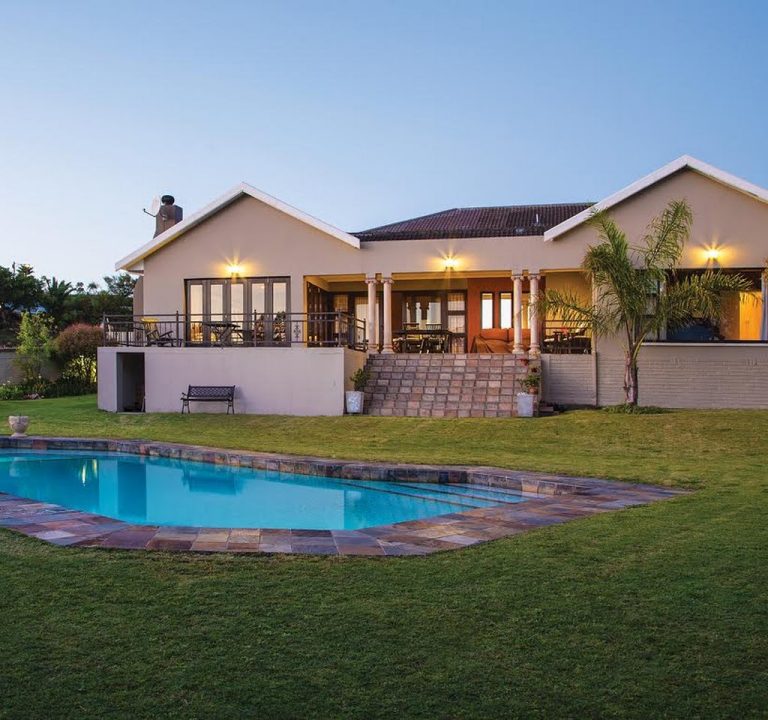
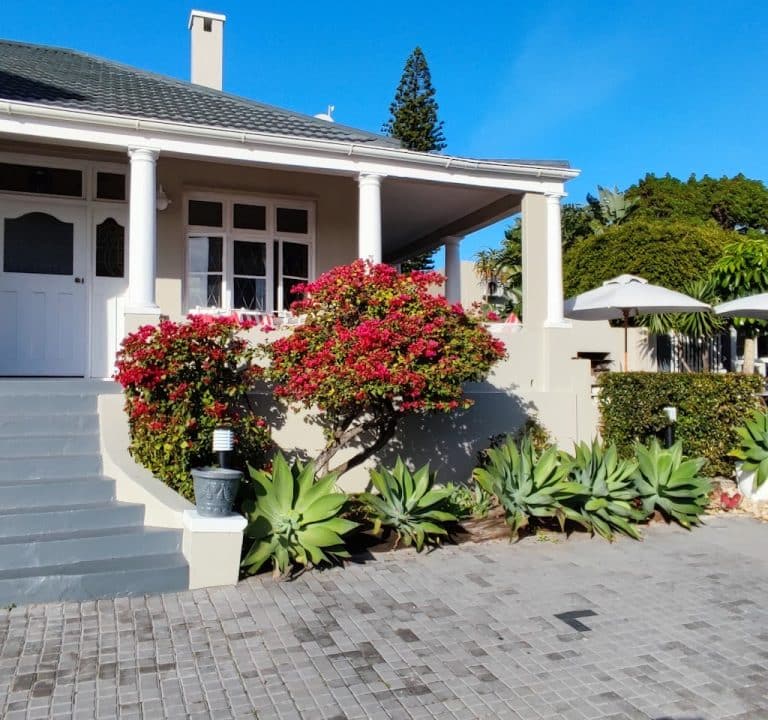
Accommodation in Gqeberha can range from budget hostels to stylish guesthouses and mid‑range hotels. One example in the city is Ikhayalam Lodge & Tours, which exemplifies the welcoming, community‑focused ethos many travellers appreciate in the region. Regardless of the category, be sure to read guest reviews about cleanliness, the responsiveness of staff, and the quiet hours policy. Confirm distance and travel time to your planned activities, as traffic can vary, particularly during peak holiday periods or event weekends.
Transport options to and around Gqeberha are straightforward. If you’re flying in, you’ll typically touch down at the city’s regional airport or a nearby emergency stop in the broader Eastern Cape. Within the city, car hire offers the most flexibility for exploring the coast and the countryside at your own pace. Taxis and ride‑hailing services are commonly available, and some guesthouses provide transfer services or can arrange guided day trips. Public transport is accessible but can be less frequent outside peak hours, so a planned itinerary with a rough timetable helps you maximise your time.
Best time to visit Gqeberha balances weather and activity. The summer months (roughly October to March) deliver warm days and good sea conditions, ideal for beach days, coastal walks and outdoor markets. Autumn and spring bring comfortable temperatures and a more relaxed rhythm, great for sightseeing and slower‑paced meals al fresco. Winter is mild by UK standards, with cooler evenings; it’s a good time to enjoy the city’s indoor attractions, cafes and cultural venues, often with fewer crowds. If your plans include wildlife day trips to the nearby reserves or Addo Elephant National Park, consider full‑day excursions and book in advance, particularly during holiday periods.
What to look for when booking a stay extends beyond price. Consider the proximity to the sea or major routes if you’re prioritising beach access or day trips. Check on‑site facilities such as laundry, luggage storage, and 24‑hour reception if your travel schedule involves late arrivals. For travellers who value local flavour, seek hosts or operators who can offer insider tips—recommendations on neighbourhood cafés, markets, and walkable routes can add real flavour to your visit. If you’re seeking structured experiences, some properties or local operators offer guided tours, cultural experiences or nature excursions that can enrich your itinerary without needing to research everything yourself.
Attractions and experiences in the region are diverse, and you’ll likely want a balance of outdoors, culture and food. Coastal walks, beaches and boardwalks showcase the city’s maritime setting, while coastal reserves and viewpoints offer sunset moments. Within a reasonable drive, wildlife experiences and safari‑style day trips can be blended with visits to local museums and galleries that illuminate the area’s history and contemporary life. For meals, you’ll find a mix of casual eateries, family‑run diners and more modern restaurants offering seafood, grilled meats, and vibrant daily specials. Rather than fixed itineraries, plan to linger in a couple of areas to observe local rhythms—coffee stops, markets and harbourside views often lead to spontaneous discoveries.
Practical tips to help you prepare include packing for variable coastal weather—layers are useful for sea breezes and cooler evenings. Bringing a reusable water bottle and a small daypack is handy for outdoor days. If you’re hiring a car, confirm parking arrangements and any access notes for your chosen accommodation. Do a quick check of driving distances to Addo Elephant National Park or other natural highlights to avoid long days in the car. Lastly, keep a flexible mindset: in Gqeberha, local hospitality often shines brightest when you allow time for unplanned discoveries, a relaxed pace, and conversations with hosts about the best seasonal spots to visit during your stay.
- Plan a balance between coastal stays and inland day trips to make the most of the region’s geography.
- Choose accommodation with practical amenities that match your travel style, whether social, family‑friendly, or self‑catering.
- Book in advance for peak seasons but leave space for spontaneous discoveries and local recommendations.