A Seaside Stay: Accommodation and Experiences in Gqeberha, Eastern Cape
Gqeberha, formerly Port Elizabeth, sits on the Eastern Cape’s coastline with wide beaches, a bustling harbour and a friendly, outdoor-focused atmosphere. When planning a stay, travellers typically balance proximity to the sea, access to amenities, and ease of getting around by road or public transport. The city offers a mix of self-catering apartments, guesthouses, midsize hotels and boutique lodges, many of which place you within easy reach of the city’s waterfront, city centre and outdoor attractions.
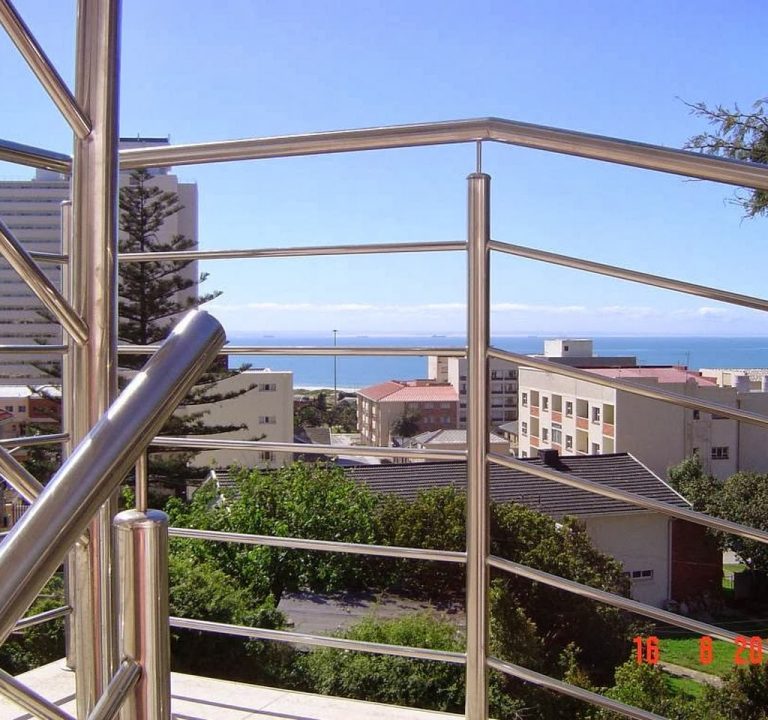
Where to stay depends on your priorities. Summerstrand and Humewood are popular for beach access and relaxed tourism vibes, with several lodges and self-catering options that make mornings by the sea easy. Walmer and Newton Park offer a quieter residential feel with convenient shopping, cafés and easy routes to major highways. For travellers who prefer downtown convenience and a shorter drive to the harbour, the central business district provides characterful guesthouses and boutique stays with easy access to cultural and culinary experiences. When choosing a base, consider the kind of days you plan: long beach walks, coastal cycling, wildlife day trips, or time spent exploring markets and galleries.
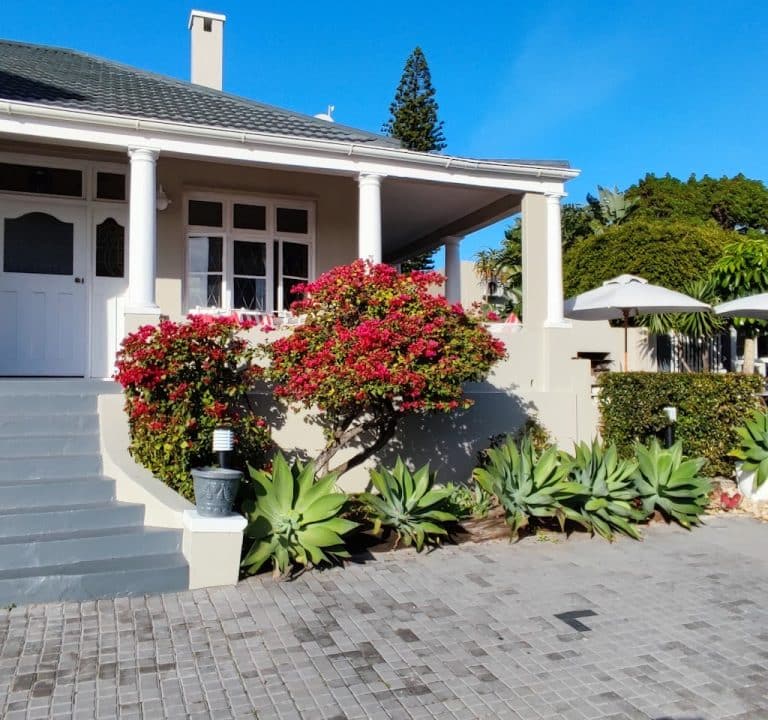
Typical amenities across well-rated properties include well-equipped kitchens or kitchenettes, complimentary Wi‑Fi, parking (often on-site or secure access), daily housekeeping options, and flexible check-in arrangements. In self-catering accommodation, look for spacious living areas, reliable air conditioning, and a well-stocked kitchen with cooking basics. Some places may offer laundry facilities, outdoor spaces such as balconies or courtyards, and access to shared or private patios with sea breezes. Families often value separate bedrooms and child-friendly facilities, while solo travellers may prioritise comfortable workspace and convenient transport links.
Transport in Gqeberha is practical for different itineraries. The city benefits from a network of roads with straightforward routes to beaches, the harbour and the city centre. If you plan day trips to nearby wildlife reserves or coastal towns, a car is the most flexible option. Public transport exists, but services can be less frequent outside peak periods. When booking, check whether parking is included or available nearby, and whether your accommodation offers transfer suggestions or connections to reputable local operators for tours and experiences. If you intend to explore on foot or by bicycle, choose a neighbourhood with sidewalks, lighting and safe routes to the waterfront and markets.
The best time to visit Gqeberha is broad, thanks to its year-round appeal. Summer (December to February) brings warm weather, long days and excellent beach conditions, ideal for outdoor activities and watersports. Autumn (March to May) offers cooler breezes and shoulder-season pricing, with pleasant walking weather along the seafront. Winter (June to August) tends to be mild to cool, suitable for city sightseeing, museums and indoor dining, with fewer crowds. Spring (September to November) can bring fresh, pleasant days for outdoor markets and nature walks. Whichever season you choose, the ocean air and outdoor-friendly layout of the city encourage a relaxed pace and spontaneous discoveries.
When planning an itinerary, factor in a mix of places to stay, eat and explore. A typical day could begin with a stroll along the beachfront or a harbour-side morning market, followed by a late breakfast at a café, a visit to a museum or cultural centre, and an afternoon spent at the beach or a nature reserve nearby. Evening meals may range from casual seafood spots to contemporary bistros, with many venues focusing on fresh, regional ingredients. For a balanced experience, reserve at least one day for wildlife or coastal scenery beyond the city proper, such as nearby reserves or day trips to neighbouring coastal towns.
Practical planning tips to consider before you book:
- Area and access: Choose a base that reduces daily travel time to your planned activities, whether that’s beach activities, harbour walks or city sights.
- Amenities: Prioritise self-catering and laundry facilities if you want flexibility, and ensure reliable Wi‑Fi if you need to work remotely or stream during downtime.
- Transport: If you don’t plan to hire a car, verify proximity to bus routes, ride‑share hubs and safe walking routes to main attractions and dining precincts.
- Safety and convenience: Look for well-lit streets, secure parking and responsive hosts or property managers; a responsive contact can help with late check-ins or local recommendations.
- Timing: Book ahead for peak holiday periods and school holidays, especially if you want beachfront accommodation or properties with family-friendly facilities.
- Expectations vs. experience: Read recent guest reviews to gauge how well listings reflect current conditions, such as cleanliness, noise levels and accuracy of listings against reality.
For authentic local experiences, aim to combine your stay with gentle exploration of the waterfront, markets and cafés, together with occasional forays to nearby nature spots or coastal towns. On the culinary front, expect relaxed venues serving seafood and South African favourites, with many eateries presenting a modern twist on traditional dishes. While prices and menus vary, most places emphasise good value, friendly service and a sense of place—whether you’re lingering over coffee at a seaside promenade or enjoying a sunset meal with ocean views.
Whether you’re planning a short beach break, a family-friendly stay or a longer slow travel visit, Gqeberha’s accommodation options and neighbourhoods are well suited to a relaxed, traveller-friendly itinerary. With careful planning around location, amenities and transport, you can enjoy easy access to both the sea and the city’s cultural and culinary offerings, making your stay comfortable, memorable and distinctly connected to the Southern Cape coastline.