Planning a stay in Knysna: where to stay, what to do and how to make the most of your visit
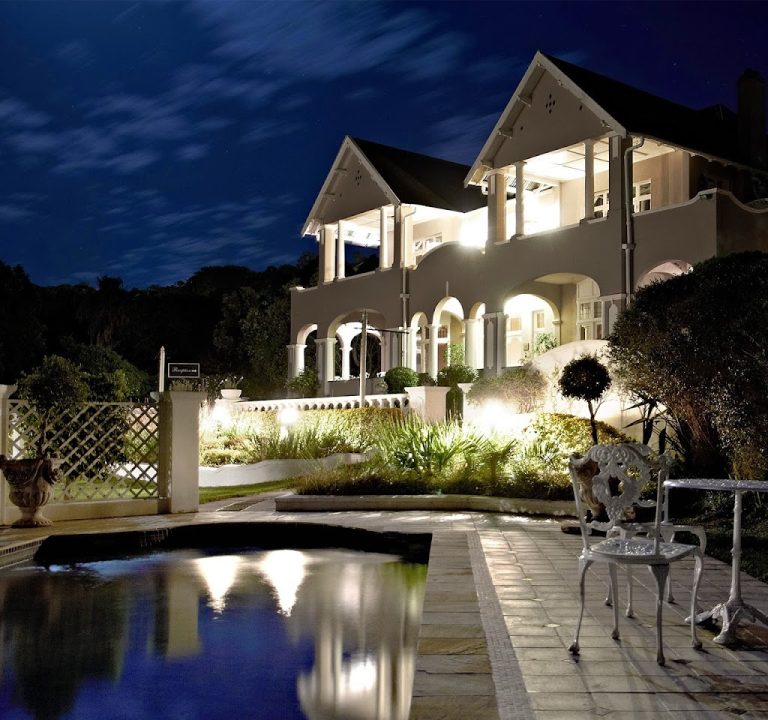
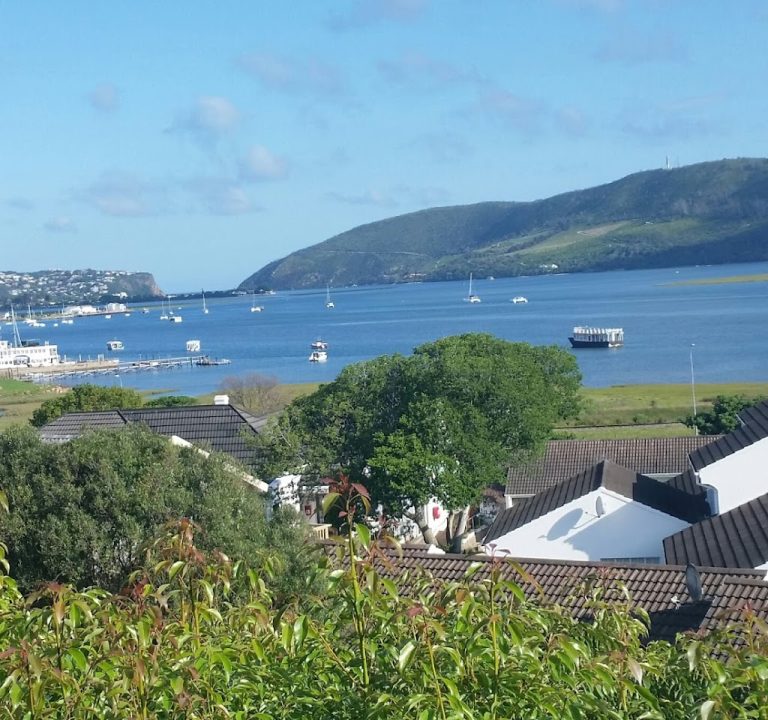
Knysna, nestled beside a kilometre-long tidal estuary and backed by forest-clad mountains, offers a relaxed base for exploring the Western Cape’s Garden Route. When choosing accommodation, you’ll find a range of options from intimate guest houses to waterfront lodges and comfortable B&Bs. A well-planned stay often combines easy access to the lagoon and town with a quieter neighbourhood for restful nights. Idle Monkey Guest House, for example, represents how a smaller guest house can provide a homely base within reach of Knysna’s highlights and local dining.
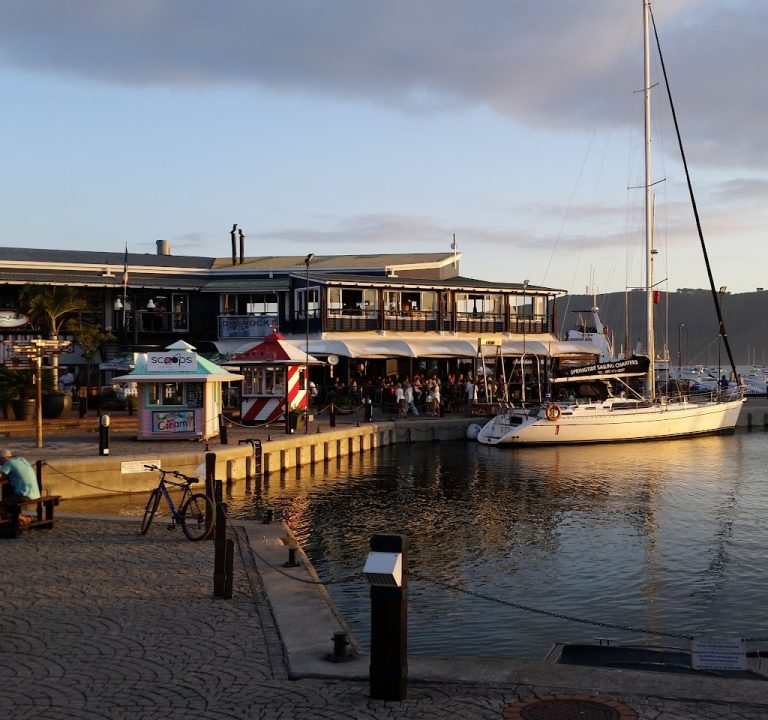
Areas to consider include the town centre and the Knysna Waterfront, which put you close to shops, eateries and boat trips on the lagoon. The Heads and the adjacent natural viewpoints offer dramatic coastal scenery and are a short drive from many lodgings. If you prefer a calmer, countryside feel, contemplate villages and neighbourhoods such as Belvedere or Rheenendal, where forest air and quieter streets create a slower pace while remaining handy for day trips.
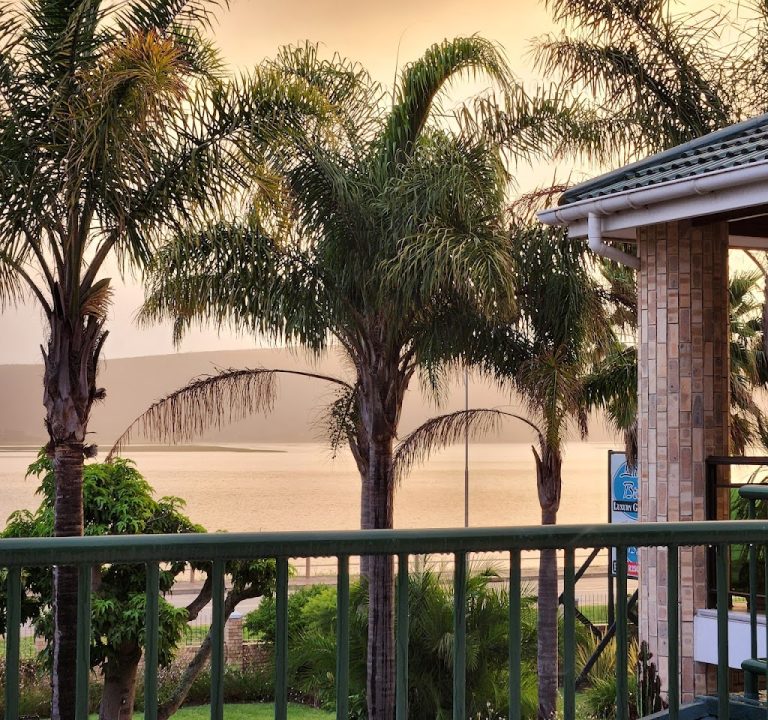
Typical amenities to look for when booking include free parking, reliable Wi‑Fi, and self-catering options or breakfast substitutes if you want flexibility. Many guest houses and boutique hotels in Knysna provide outdoor seating with lagoon or garden views, which are ideal for sunset moments after a day of exploring. If you’re travelling with family or a small group, check whether rooms can be interconnecting or if a larger suite is available. For longer stays, a kitchenette or access to shared kitchens can be very convenient.
Transport is an important consideration. A car is often the most convenient way to explore the area, given the distances between viewpoints, forest reserves and the wider Garden Route. If you prefer not to drive, look for properties within easy reach of taxi services or shuttle options to popular day trips. Some guest houses arrange guided nature walks, kayak trips on the lagoon, or tours of nearby forests, which can add value to your stay.
Best time to visit Knysna depends on your priorities. The town tends to be busiest in the Southern Hemisphere summer (roughly November to February) when sea and lagoon activities are popular and outdoor dining thrives. Winter months (May to August) offer cooler days with fewer crowds, making it ideal for forest and coastal walks with crisp air. Rainfall is possible at any time of year, so packing a lightweight waterproof layer is sensible. For those interested in seasonal scenery, spring and autumn bring pleasant temperatures for hiking and scenic drives, with the forest and coastal views at their most vivid.
When planning, set realistic daily priorities. A balanced itinerary might include a morning boat trip or a guided forest walk, time to explore the Knysna Waterfront’s boutiques and galleries, and a couple of relaxed meals at waterfront or harbourside restaurants. To avoid meals becoming repetitive, mix seafood-focused spots with inland or town centre eateries offering broader menus. Many visitors enjoy weaving in a day trip to neighbouring destinations along the Garden Route to complement their Knysna stay.
About accommodation features, here are some practical considerations:
- Location vs. convenience: choose a spot near the lagoon for easy walks, or nearer the town for quick access to shops and cafés.
- Space and privacy: consider whether you need a quiet garden suite, a balcony with views, or a larger family room.
- Facilities: enquire about laundry access for longer trips, on-site dining options, and whether there are shaded outdoor spaces for lounging.
- Accessibility: if mobility is a concern, check entry thresholds, lift access (if applicable), and ground-floor rooms.
Dining and experiences fill the Knysna itinerary. Expect an emphasis on fresh seafood and regional produce, prepared in a variety of styles that reflect South Africa’s diverse influences. Waterfront and harbour-area restaurants typically offer relaxed menus with views across the water, while town-centre spots may provide more contemporary or casual fare. For a flavourful day out, consider markets or friendly cafés that showcase local ingredients and homemade treats. Guided activities—from forest walks and nature reserves to boat trips and scenic drives—provide a practical way to connect with Knysna’s natural surroundings without overpacking your schedule.
For planning inspiration and practical information, you can visit general Knysna tourism resources through reputable travel sites. They typically offer suggestions on what to see, how to get around, and seasonal highlights. When you book, verify cancellation policies and any seasonal changes to services, particularly if you’re travelling outside peak times.
In summary, Knysna rewards visitors who choose a well-situated base, pace their days to match the season, and balance outdoor adventures with restful downtime. Whether you stay in a cosy guest house such as Idle Monkey Guest House or another charming property, a thoughtful mix of accommodation, transport planning, and selective experiences will help you make the most of this forest-fringed coastal town.