Accommodation in Knysna: where to stay and how to plan your visit
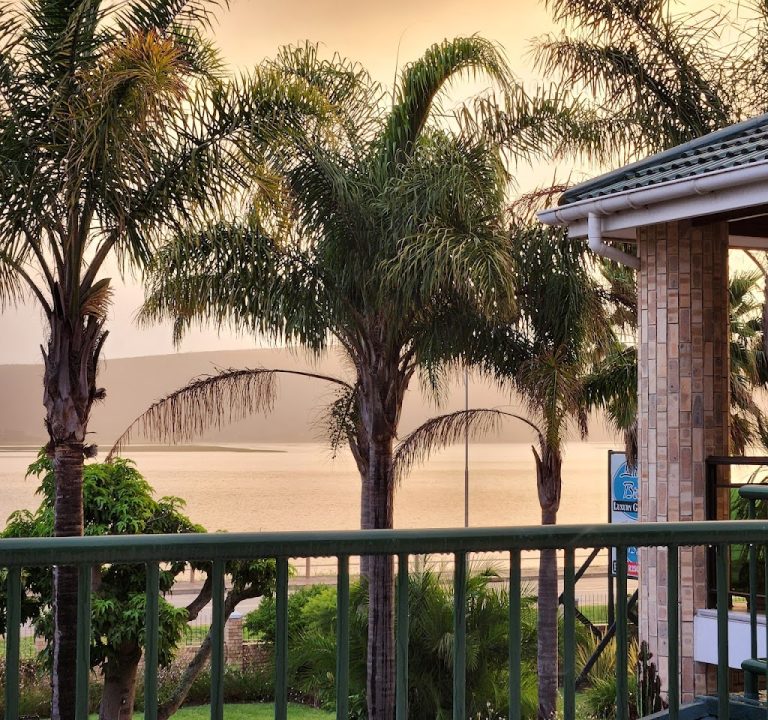
Knysna, tucked along the Garden Route in the Western Cape, is a popular base for travellers seeking a mix of coastal scenery, forested hinterlands and relaxed village charm. When choosing where to stay, consider your preferred atmosphere: evergreen lagoons and waterfront walks, or quiet lanes close to the centre of town. Guest houses and boutique-style options such as Bridgewater B&B offer a cosy, home-from-home feel, with a focus on personal service and local knowledge. Whether you’re here for a weekend break or a longer retreat, planning ahead can help you balance comfort with easy access to the sights you want to enjoy.
Areas to consider include:
- Knysna Town Centre: convenient for dining, shops and easy access to the harbour and ferry routes. A good base if you like lively evenings and straightforward transport options.
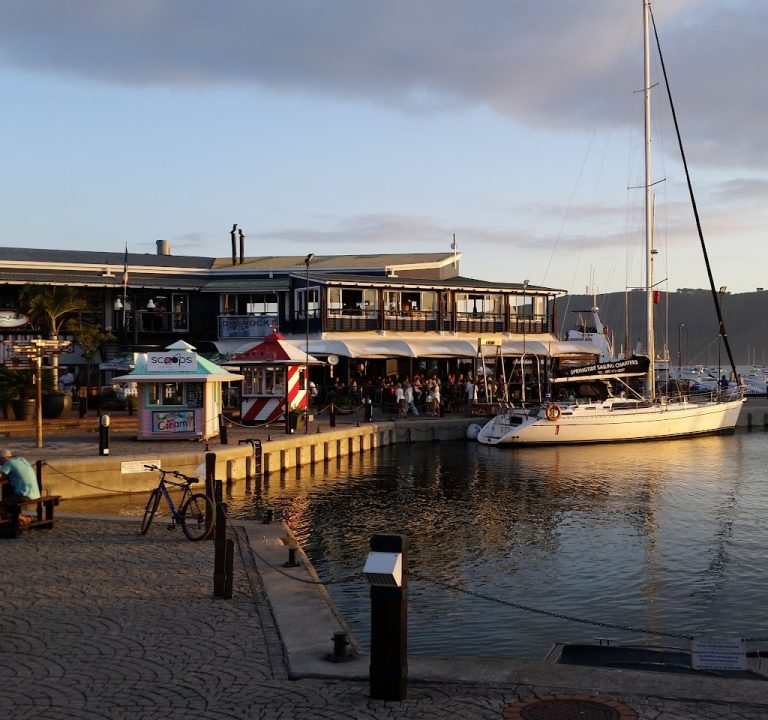
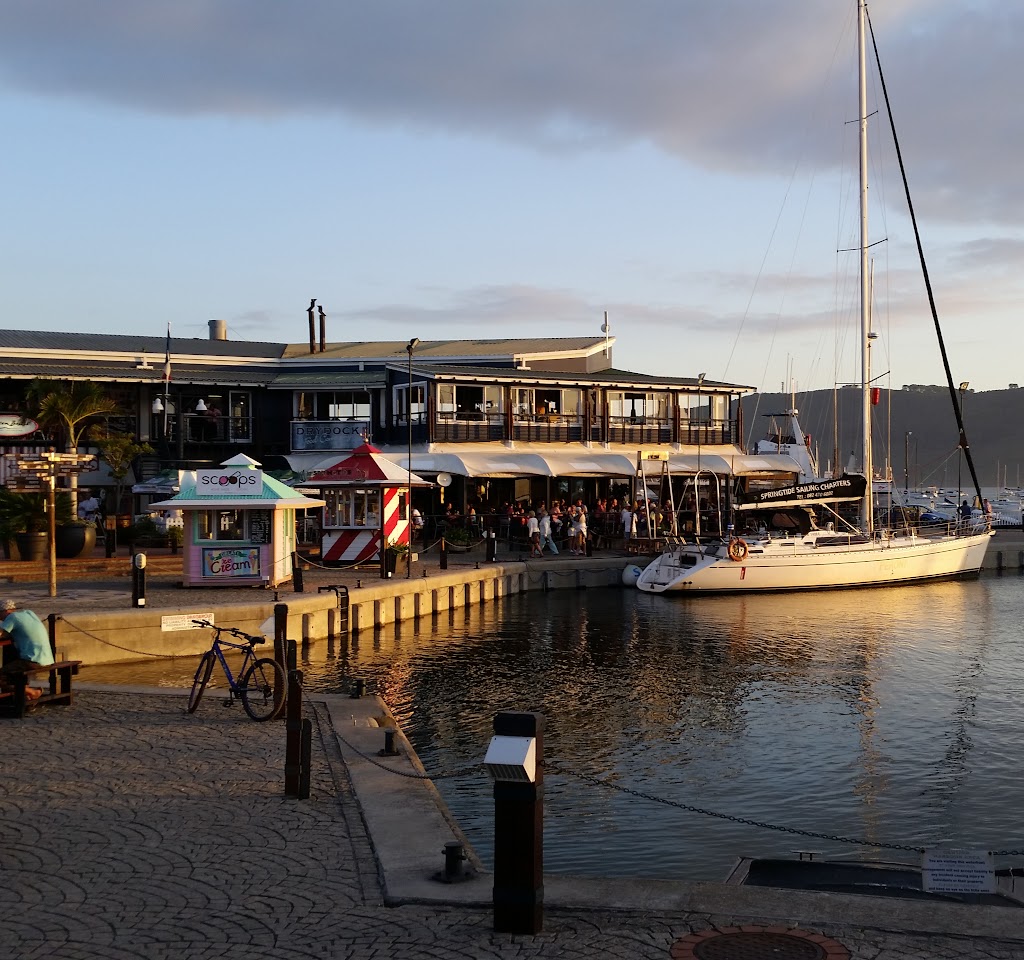
- Knysna Waterfront and Thesen Island: a scenic setting with water views, walkways and a selection of eateries and small shops. Ideal for gentle strolls and short day trips.
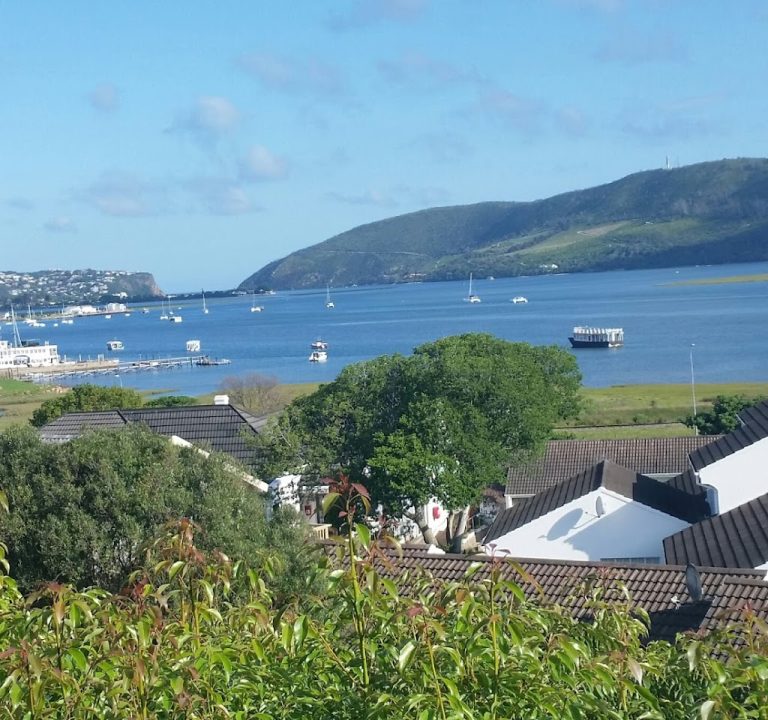
- Forest and rural outskirts: closer to the Knysna Heads, Featherbed Nature Reserve and forest trails, offering a more tranquil retreat and opportunities for nature-based activities.
- Outskirts and guesthouse enclaves: quieter streets that still offer proximity to town, with a homely atmosphere and often larger gardens.
When booking, look for the following features to ensure a comfortable stay. A well-run guest house or boutique hotel in Knysna is likely to offer a blend of privacy, practical facilities and warm service:
- Private or en-suite bathrooms with reliable hot water
- Flexible breakfast options, from a full cooked breakfast to lighter continental selections
- Secure parking or easy street parking, with clear access for luggage
- Nice touches such as Wi-Fi, adequate heating or cooling, and comfortable bedding
- Helpful staff who can provide local tips on activities, dining and day trips
- Balanced room layouts, with space to unwind or work if needed
- Accessibility where needed, such as level entrances or accessible bathrooms
- Eco-friendly practices where possible, reflecting Knysna’s emphasis on sustainable tourism
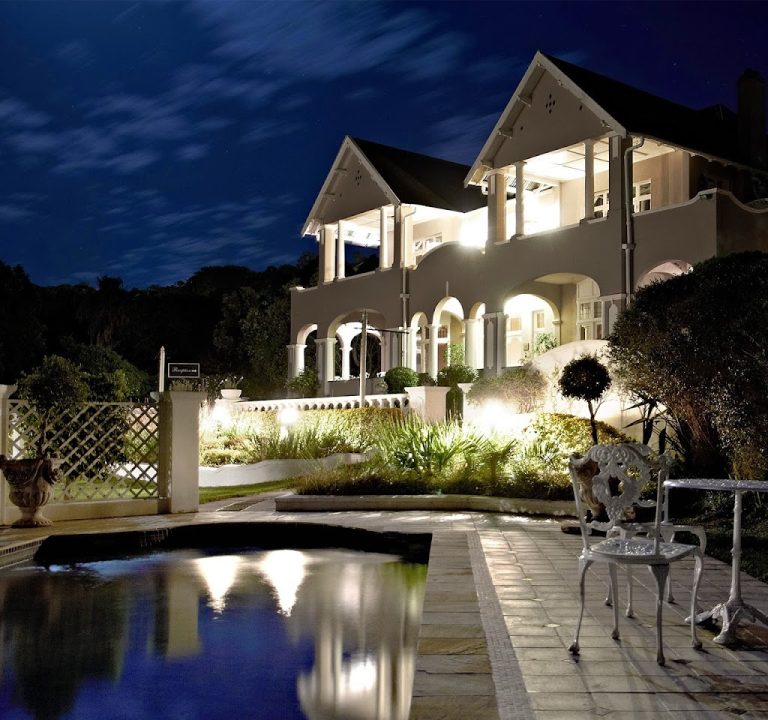
Typical amenities you might encounter include an outdoor seating area or veranda, garden access, and a shared lounge, all of which help guests feel immersed in the town’s relaxed pace. For families or larger groups, some properties offer family suites or interconnected rooms, while couples may prefer intimate bungalows or cottages with private terraces. If you will be using a rental car, confirm parking arrangements and access times; if you prefer walking or cycling, ask about bike storage or nearby routes.
Transport in and around Knysna is straightforward, though trips to activities beyond the town may be easier with a car. The route from Knysna to the coast, forests, or nearby viewpoints is scenic, and local hosts can advise on the best routes to avoid peak traffic. For those arriving by air, George Airport is the principal gateway, with transfer options available from many accommodation providers or local operators. Within town, taxis and rideshare services are commonly used, and some guest houses collaborate with small tour operators to arrange day trips or guided walks.
The best time to visit Knysna depends on what you want from your trip. The summer months (December to February) are vibrant, with pleasant coastal weather and longer daylight hours for harbour walks and lagoon excursions. Autumn (March to May) offers quieter streets, milder temperatures and a wonderful time for forest outings as the bushy landscapes begin to mellow. Winter (June to August) brings cooler days and the chance of rain, but the aerated landscape can be dramatic, and there are still plenty of indoor-friendly options such as galleries, cafes and markets. Spring (September to November) presents budding greenery and the first signs of new life in the forests. Check local events calendars for any seasonal markets or harvest celebrations that highlight regional produce and crafts.
Planning practicalities can make a big difference to your enjoyment. It helps to confirm:
- Proximity to the sights you want to visit, and the duration you expect to travel each day
- Kitchen or self-catering facilities if you prefer to prepare some meals
- Access to reliable Wi-Fi for planning, photos or remote work
- Clear cancellation policies and flexible dates in case plans shift
- Recommendations from hosts about safe walking routes at night and best viewpoints
Alongside thoughtfully chosen accommodation, Knysna’s visitor experience centres on the surrounding natural beauty, lagoons and forested landscapes. Attractions typically fall into easy day-trip options such as scenic viewpoints overlooking the Heads, boat or kayak trips on the lagoon, forest walks with towering trees, and coastal drives with dramatic cliff views. Dining options span casual cafés and well-regarded restaurants that celebrate regional ingredients. Local experiences often emphasise sustainable and community-focused activities, such as markets, craft workshops or guided nature walks, allowing visitors to connect with the area beyond the usual tourist routes.
To make the most of your stay, consider pairing your accommodation with a couple of well-timed activities—one relaxed day by the water and another exploring the surrounding forests or viewpoints. Booking in advance, especially during peak holiday periods, can secure preferred rooms or suites with notable views and convenient access to what you want to see. Finally, keep a buffer for refreshment stops and spontaneous discoveries; Knysna rewards travellers who slow down, observe the scenery, and sample the local fare at a comfortable pace.