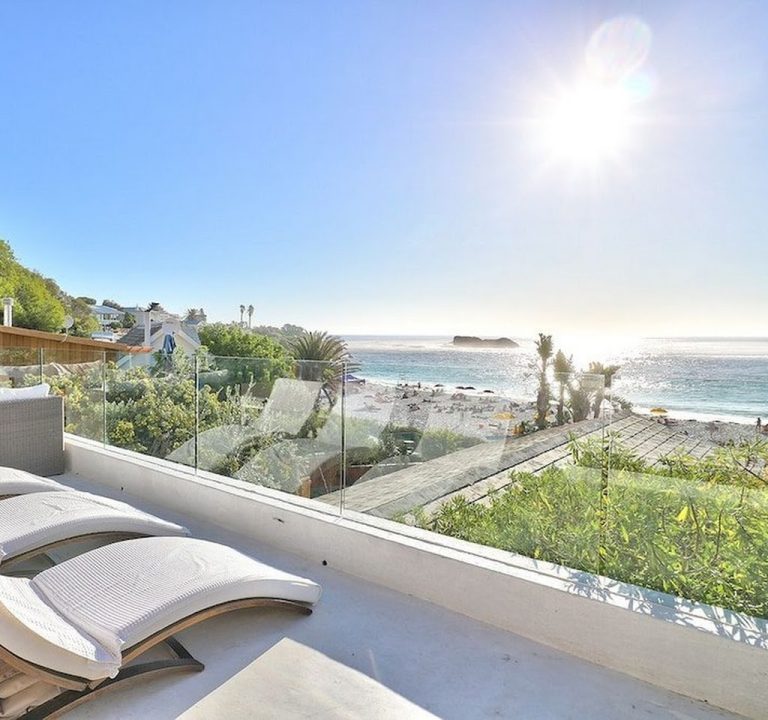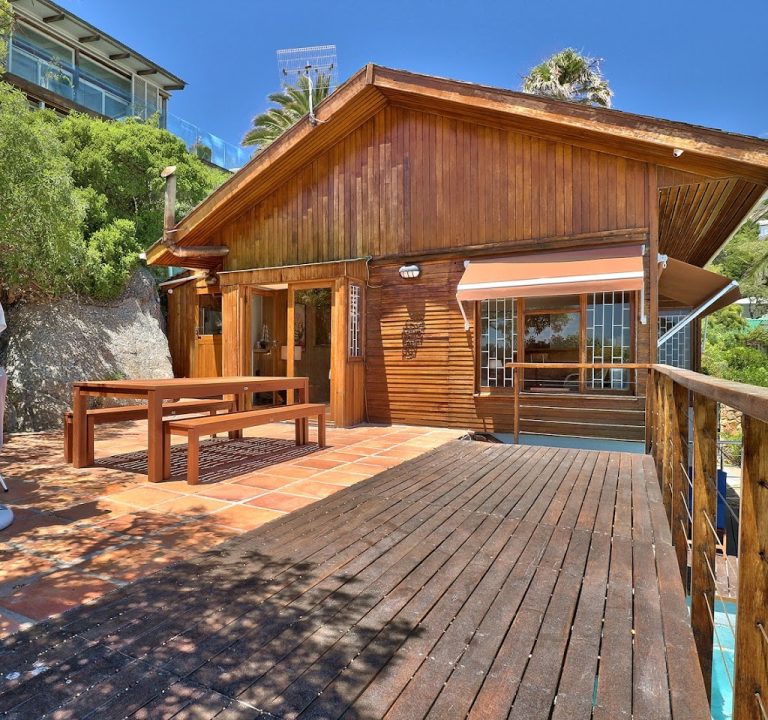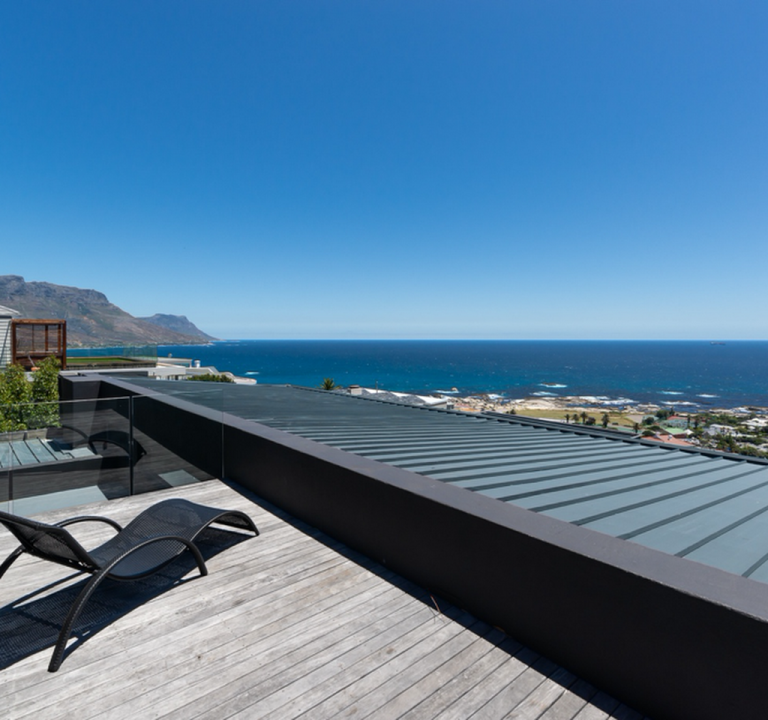
House of Karuna is a Villa establishment in Cape Town, Western Cape, South Africa
About House of Karuna, Cape Town
House of Karuna presents a discreet retreat tucked in the Cape Town area of Western Cape, South Africa. With a listing on a well-known travel platform, the accommodation is positioned as a practical base for exploring one of the world’s most dynamic cities, offering a calm harbour from which to plan daily adventures or to unwind after days spent out in the vibrant streets and scenic surroundings of the Mother City. The presentation here reflects a desire to provide a comfortable, easy-to-navigate stay that appeals to travellers seeking a home-like atmosphere while still enjoying the advantages of a professionally managed holiday property.
As with many contemporary listings on global platforms, the emphasis at House of Karuna is on balancing convenience with character. The home-forward approach typically prioritises clean design, thoughtful touches, and a sense of place that resonates with visitors who value a simple yet well-curated space. The setting is described in a way that invites guests to imagine a relaxed stay where daily routines can be easy, with a focus on uncomplicated enjoyment rather than ostentation. While the exact configuration of rooms, bedding arrangements, and on-site facilities is not itemised in the available summary, the listing is framed to support a range of travellers—from solo explorers and couples to small groups seeking a dependable base in a city renowned for its natural beauty and cultural richness.
accommodation style and amenities are best understood by consulting the official listing, which functions as the primary source of detail for prospective guests. For those planning a visit, this approach means an opportunity to verify the precise room types, the amenities offered on-site, and any house rules or policies. The balance between private space and shared areas is often a key consideration for guests choosing a Cape Town stay, and House of Karuna appears to be designed to accommodate that balance—whether through private sleeping quarters, shared living areas, or inclusive spaces that encourage a sense of welcome and ease during a stay in this cosmopolitan destination.
The location itself—Cape Town—adds another layer of appeal. The city is renowned for its iconic landscapes, diverse neighbourhoods, and a wealth of attractions, from natural landmarks to cultural experiences. A stay in this part of Western Cape can provide convenient access to a variety of day trips, nature reserves, and charming urban pockets, depending on the exact neighbourhood and transport links. While the listing does not spell out specific nearby attractions in detail here, guests are encouraged to explore what the city has to offer and to review the listing for notes on nearby highlights, accessibility, and suggested routes for getting the most from a Cape Town stay.
Booking and travel planning are helped by the presence of a dedicated online listing. This digital hub is intended to offer prospective guests a straightforward path to securing a stay, with the added advantage of ongoing updates and real-time information visible to enquirers. For those who prefer to do their homework before committing, it is wise to examine the listing’s features—room types, capacity, on-site facilities, and policies—alongside guest reviews to gain a clearer sense of whether House of Karuna aligns with individual travel needs and expectations. The linked website serves as the primary portal for accessing accommodation details and making a reservation, and it is advisable to review any house guidelines, check-in procedures, and cancellation terms directly within that resource.
Travel tips for visitors considering House of Karuna include planning ahead to confirm the availability of preferred dates and to understand the level of flexibility offered by the booking. Given the nature of city stays, guests may wish to map out a basic itinerary that balances urban experiences with opportunities to enjoy Cape Town’s natural scenery. In terms of practicality, arriving with a general sense of how to reach the property, whether by public transport, rideshare, or private arrangements, can streamline the start of a trip. Those who value a sense of locality might also look for tips in the listing regarding preferred groceries, local eateries, or neighbourhood highlights that contribute to a comfortable and authentic stay without needing to travel far from home base.
Overall, House of Karuna appears to be positioned as a reliable and user-friendly option within Cape Town’s varied accommodation landscape. While exact details about rooms, facilities, and policies are best confirmed through the official listing, the property’s presence on a major booking platform signals readiness to welcome travellers seeking a straightforward, well-located stay in one of South Africa’s most dynamic cities. For those curious to explore further or to plan a future trip, additional information and booking details can be found at the listing’s page on the platform: House of Karuna on Airbnb.
- Check the listing for precise room configurations and bed setup.
- Review on-site facilities and any shared areas before booking.
- Read policies on check-in, cancellation, and house rules for clarity.
- Explore the listing’s notes about nearby attractions and transport options.
Cape Town
Western Cape
8040
South Africa


Exploring Cape Town:住宿、住宿地點與在地體驗的實用攻略
Cape Town in the Western Cape is a city of dramatic beauty and diverse neighbourhoods, where stylish villa stays sit alongside boutique guesthouses and comfortable apartments. When planning a visit, choosing the right area and the right type of accommodation can shape your whole experience—from sunrise views over the Atlantic Ocean to easy access to bustling markets and family-friendly beaches. Whether you’re after a tranquil retreat in a leafy suburb, a design-forward stay near the cosmopolitan V&A Waterfront, or a villa with a view in Camps Bay, Cape Town offers options to suit a wide range of itineraries and budgets.
Areas to consider include:
- City Centre and the foreshore: convenient for museums, historic sites, and easy transport links, with many modern apartments and stylish hotels.
- Green Point and the Atlantic Seaboard: popular for sea views, proximity to the V&A Waterfront, and a lively dining scene.
- Bakoven and Camps Bay: long beaches, chic villas, and sunsets over the Twelve Apostles; ideal for a relaxed coastal stay.
- Constantia and southern suburbs: generous gardens, wine estates, and a peaceful, village-like ambience—great for longer getaways.
- Hout Bay and the Peninsula: a more rural coastal feel with easy access to chapels, markets, and scenic drives along the Cape coast.
When booking, consider what matters most for you: a sea-view terrace, a kitchen for self-catering, or proximity to particular attractions. A family-friendly option might feature a separate living area and ample parking, while a boutique stay could offer personalised tips and a more intimate atmosphere. A well-run guesthouse or villa should provide reliable housekeeping, clear information about nearby transport, and straightforward communication with hosts or managers.
Typical amenities you may encounter include:
- Well-equipped kitchens or kitchenettes, laundry facilities, and private or shared living spaces.
- Fast and reliable Wi‑Fi, air conditioning or underfloor heating, and quality bedding.
- Secure parking or easy access to public transport, along with information about local taxis or rideshares.
- Outdoor spaces such as balconies, decks, or gardens, often with spectacular views.
- On-site recreational facilities or close proximity to pools, beaches, or hiking trails.
Transport is a practical consideration in Cape Town. The city has a developing public transport network, with services for both locals and visitors. In many areas, a car rental provides the most flexibility for exploring the Cape Peninsula, the Winelands, and coastline routes. If you prefer not to drive, look for accommodation near MyCiTi bus routes or within walkable distance to cafés, restaurants, and attractions. For longer day trips—such as the Cape Point route, penguin beaches, or wine estates—plan your departure times to avoid peak traffic and signposted bottlenecks.
The best time to visit Cape Town depends on your priorities. The city enjoys a mild climate, with warm summers and a cooler, wetter winter. Peak tourist season runs from late December to February, when beaches are busiest and events are plentiful. Spring (September to November) and autumn (March to May) offer pleasant conditions for outdoor activities, fewer crowds, and generally lower rates. If you’re hoping to see wildflowers in spring or enjoy dramatic coastal scenery in winter, tailor your plans accordingly and book well in advance for popular areas.
Planning a stay in Cape Town also means thinking about practicalities. Early booking often secures a wider range of accommodation types and better value. Read listings carefully for cancellations, guest reviews, and house rules. Check whether the property has off-street parking if you’ll be renting a car, and verify access arrangements for late arrivals. For arrival and departure, confirm check-in times, how keys are handled, and what to do if you encounter delays. If you’re staying in a villa or boutique guesthouse, you may benefit from direct communication with the host for personalised recommendations on dining and local experiences.
Attractions and experiences in and around Cape Town cover landscape, culture, and cuisine. Iconic highlights include nature reserves and viewpoints that showcase the city’s coastal splendour, as well as markets, galleries, and historic districts that offer a flavour of South African life. Dining in Cape Town ranges from casual seaside cafés to acclaimed restaurants. Many properties offer guidance on suitable day trips or can arrange experienced-led tours in advance, helping you tailor your itinerary to your interests—whether that means high-mung views from a rugged coastal trail, a wine-tuelled day in Constantia, or a family-friendly excursion to the Cape’s wildlife and marine encounters.
As an example of a well-positioned stay, consider a villa such as House of Karuna, a stylish option housed in a refined setting with easy access to urban and coastal attractions. For more information and to view a listing, see the property page at https://abnb.me/w2kqH1R8ewb. This type of stay can offer a private, homely atmosphere with the convenience of a dedicated space for relaxation after days spent exploring the city.
To help you plan, here are a few quick tips:
- Read recent guest reviews to gauge the consistency of comfort and the responsiveness of hosts.
- Ask hosts about parking, access, and proximity to preferred transport routes.
- Estimate travel times to both urban sights and natural attractions, allowing extra time for weather or traffic variations.
- Pack versatile clothing to cover warm days and cooler coastal evenings, plus comfortable walking shoes for uneven streets and coastal paths.
With careful planning and the right choice of setting, a stay in Cape Town can blend cosmopolitan convenience with unforgettable scenery, delicious dining, and memorable experiences that reflect the city’s unique character. Whether you opt for a hillside villa, a contemporary apartment near the water, or a charming guesthouse in a leafy neighbourhood, you’ll find Cape Town’s hospitality as inviting as its landscapes.
Sorry, no records were found. Please adjust your search criteria and try again.
Sorry, unable to load the Maps API.
Why Claim Your Listing?
Claiming your listing on the B&B Finder directory website is a valuable opportunity for business owners. Here are five reasons why you should consider claiming your listings:
Control Over Business Information: By claiming their listing, business owners can ensure that all the information presented is accurate and up-to-date. This includes details such as contact information, address, pricing, and available services or amenities. Accurate information helps prevent customer confusion and improves overall satisfaction.
Enhance the Listing: Once a listing is claimed, owners can enhance it by adding more comprehensive information and rich media, like high-quality photos and videos. These additions can make the listing more attractive and engaging to potential customers, thereby increasing the likelihood of bookings.
Marketing Opportunities: Claiming a listing can also open up additional marketing opportunities. Owners may be able to participate in promotional campaigns, special offers, and other marketing activities organized by the directory. This can increase visibility and attract more customers to the business.